Travel
Busiest Intersection In The World, Famous Tokyo Landmarks, Japan Travel Destination, Japan Urban Landmarks, Shibuya Crossing, Shibuya District Tokyo, Tokyo City Life, Tokyo Japan, Tokyo Night City, Tokyo Street Culture, Tokyo Tourist Attractions, Tokyo Travel Guide, Trans to Find, Traveling
transtofind
Shibuya Crossing: The World’s Busiest Intersection, a Tokyo Icon
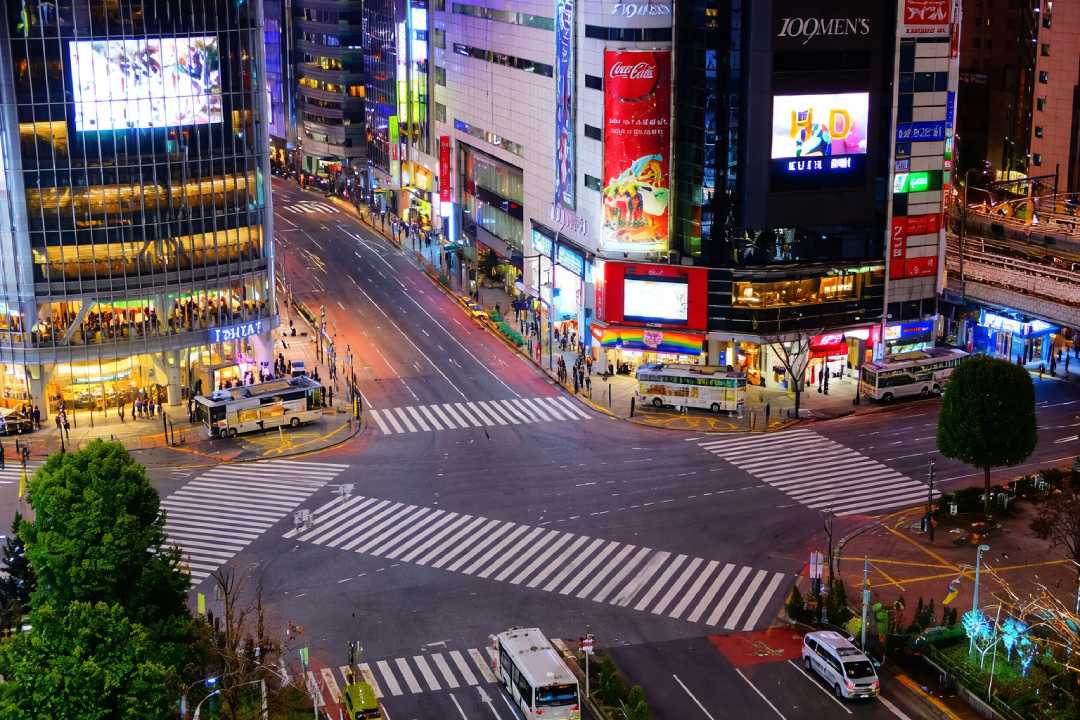
Trans to Find – Shibuya Crossing is widely recognized as the busiest pedestrian intersection in the world and one of the most iconic landmarks in Tokyo, Japan. Located directly in front of Shibuya Station, this crossing has become a living symbol of the city’s fast-paced urban culture. Every time the traffic lights turn red for vehicles, hundreds or even thousands of pedestrians move simultaneously from all directions. As a result, the crossing transforms into a fascinating flow of people that looks almost choreographed. Over the years, this intersection has attracted millions of visitors from around the world. Tourists often come not only to cross the street but also to experience the energy of Tokyo itself. Because of its unique atmosphere, Shibuya Crossing frequently appears in movies, documentaries, travel blogs, and social media content. Consequently, it has evolved from a simple intersection into one of the most photographed urban locations in Japan.
Official Opening and Historical Timeline of Shibuya Crossing
The modern form of Shibuya Crossing began to take shape in the late 1960s, when Tokyo rapidly expanded its transportation infrastructure. However, the area became internationally famous in the 1990s, when Shibuya developed into a major center of youth culture and fashion. Since then, the intersection has continued to evolve along with the growth of Tokyo. While the crossing itself is not a scheduled “show” or event, it operates continuously every day, 24 hours, as part of the city’s traffic system. Therefore, visitors can experience the crossing at any time of day. However, the busiest moments usually occur during evening rush hours and late at night. At those times, the combination of crowds, giant LED screens, and bright neon advertisements creates an unforgettable urban scene. This constant activity makes Shibuya Crossing feel alive around the clock.
“Read Also: Should You Book Travel Now? How the Iran War Is Reshaping Global Travel Plans“
Where Shibuya Crossing Is Located and How Visitors Experience It
Shibuya Crossing is located in the Shibuya district of Tokyo, directly outside the famous Shibuya Station, one of the busiest railway stations in Japan. Because several major train lines intersect there, millions of commuters pass through the station every week. As a result, the crossing naturally becomes a central meeting point for locals and travelers alike. Visitors can experience the crossing simply by walking across it. However, many tourists also prefer watching the crowd movement from nearby cafes or observation decks. Popular viewing spots include buildings around the intersection that offer elevated perspectives. From above, the synchronized movement of people looks even more impressive. Consequently, many photographers and filmmakers consider this location one of the most dynamic urban scenes in the world.
The Famous Hachiko Statue Near Shibuya Crossing
Just a few steps away from Shibuya Crossing, visitors will find the famous Hachiko Statue, one of Tokyo’s most beloved landmarks. The statue honors a loyal dog named Hachiko, who waited every day for his owner at Shibuya Station, even years after his owner had passed away. Because of this touching story, the statue has become a symbol of loyalty and devotion. Today, it also serves as one of the most popular meeting spots in Tokyo. Tourists frequently take photos with the statue before exploring the surrounding area. Interestingly, the location of the statue near Shibuya Crossing makes the experience even more memorable. Visitors can observe both the emotional cultural history of Japan and the vibrant modern life of Tokyo within just a few steps.
The Unique Pedestrian Scramble System
One reason Shibuya Crossing is so famous is its unique scramble crossing system. Unlike traditional intersections, all traffic lights for vehicles stop at the same time. When this happens, pedestrians can cross from every direction simultaneously. Because of this system, people can walk straight, diagonally, or toward any corner they choose. Consequently, thousands of individuals move across the street in a short period of time without chaos. In fact, traffic engineers often study this intersection as an example of efficient pedestrian management. On average, it is estimated that 1,000 to 2,500 people cross the street during each signal cycle. This phenomenon demonstrates how well-organized urban planning can handle extremely large pedestrian volumes.
Why Shibuya Crossing Attracts Millions of Tourists
Every year, Shibuya Crossing attracts millions of international visitors. While the location itself is simply a road intersection, the atmosphere surrounding it makes the experience extraordinary. Bright advertising screens, towering buildings, and the constant movement of people create a unique urban spectacle. Furthermore, the area around Shibuya offers endless entertainment options, including shopping centers, restaurants, and nightlife venues. Therefore, many travelers choose to spend hours exploring the district. Social media has also played a major role in popularizing the crossing. Travelers often record videos of the massive crowd movement and share them online. As a result, the intersection continues to gain global recognition as one of Tokyo’s must-visit locations.
The Best Time to Visit Shibuya Crossing
Although Shibuya Crossing operates throughout the day, many travelers agree that the most spectacular time to visit is at night. After sunset, giant digital billboards illuminate the entire intersection with colorful lights. At the same time, the evening crowds become even larger as people leave work or meet friends in the city. This combination of lighting and movement creates a cinematic atmosphere that feels almost surreal. Nevertheless, visiting during daytime also offers a different experience. In daylight, visitors can clearly observe the surrounding architecture and urban design. Therefore, each time of day offers its own unique perspective of the crossing.
Shibuya Crossing in Global Pop Culture
Over the years, Shibuya Crossing has appeared in many films, television shows, and music videos. Directors often use the intersection as a visual representation of Tokyo’s urban intensity. For example, several Hollywood movies have featured scenes filmed around the crossing. Additionally, countless travel documentaries highlight the location as one of Japan’s most recognizable landmarks. Because of this global exposure, the crossing has become a cultural icon far beyond Japan. Many travelers say that visiting the location feels like stepping into a scene from a movie.
Why Shibuya Crossing Represents the Spirit of Tokyo
Ultimately, Shibuya Crossing represents more than just a busy street intersection. Instead, it reflects the rhythm of modern Tokyo itself. The constant movement of people symbolizes the city’s energy, ambition, and innovation. At the same time, the surrounding culture of fashion, technology, and youth creativity adds another layer of identity to the district. When visitors stand in the middle of the crossing, they can truly feel the pulse of one of the world’s most dynamic cities. For this reason, Shibuya Crossing remains not only a transportation hub but also a powerful symbol of Tokyo’s urban spirit.