Perito Moreno Glacier, Argentina’s Surreal Frozen Wonderland in Patagonia
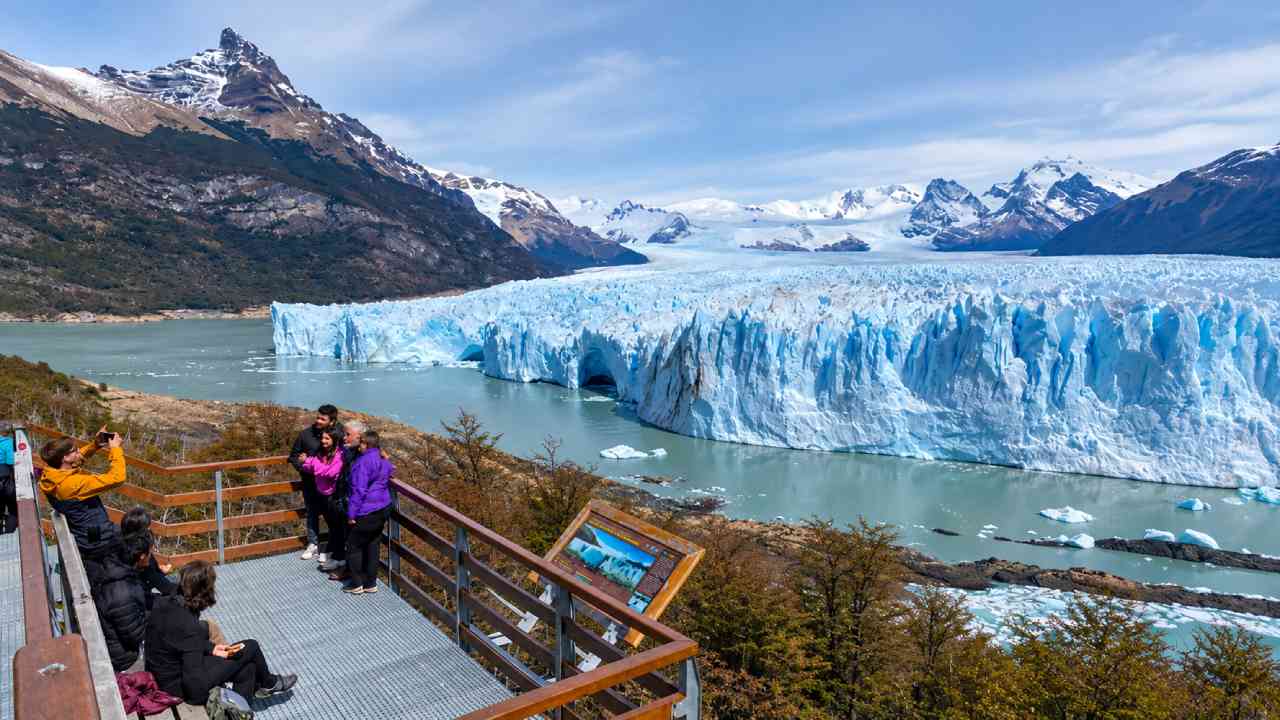
Trans to Find – Perito Moreno Glacier rises from the wild landscape of Argentine Patagonia like a frozen world from a dream. Located in Los Glaciares National Park, this enormous glacier attracts travelers with its blue ice, dramatic peaks, and immense scale. At first sight, the scenery can look almost unreal. Sharp formations cover the frozen surface, while mountains frame the horizon behind them. Meanwhile, Lago Argentino adds another layer of beauty with its calm, cold waters. Yet the experience is not only about taking impressive photographs. Visitors can hear the glacier crack and shift as the ice slowly moves. Occasionally, a huge piece breaks away and crashes into the water. That combination of beauty, sound, and movement makes Perito Moreno Glacier one of Patagonia’s most memorable natural attractions.
A Frozen Giant in Argentine Patagonia
Perito Moreno Glacier sits in Santa Cruz Province in southern Argentina. It forms part of the Southern Patagonian Ice Field, one of the largest ice masses outside the polar regions. The glacier flows toward the southern arm of Lago Argentino, creating an extraordinary meeting point between ice and water. Unlike a distant mountain glacier that visitors can only admire from afar, Perito Moreno offers several accessible viewpoints. Therefore, travelers can appreciate its enormous scale without joining a difficult expedition. The surrounding landscape also makes the experience more dramatic. Forest-covered slopes, distant mountains, and cold blue water create strong contrasts around the ice. Although photographs can capture its colors, they often fail to communicate its true size. Standing opposite the glacier reveals just how powerful this landscape feels.
Why the Glacier Has Such Striking Blue Ice
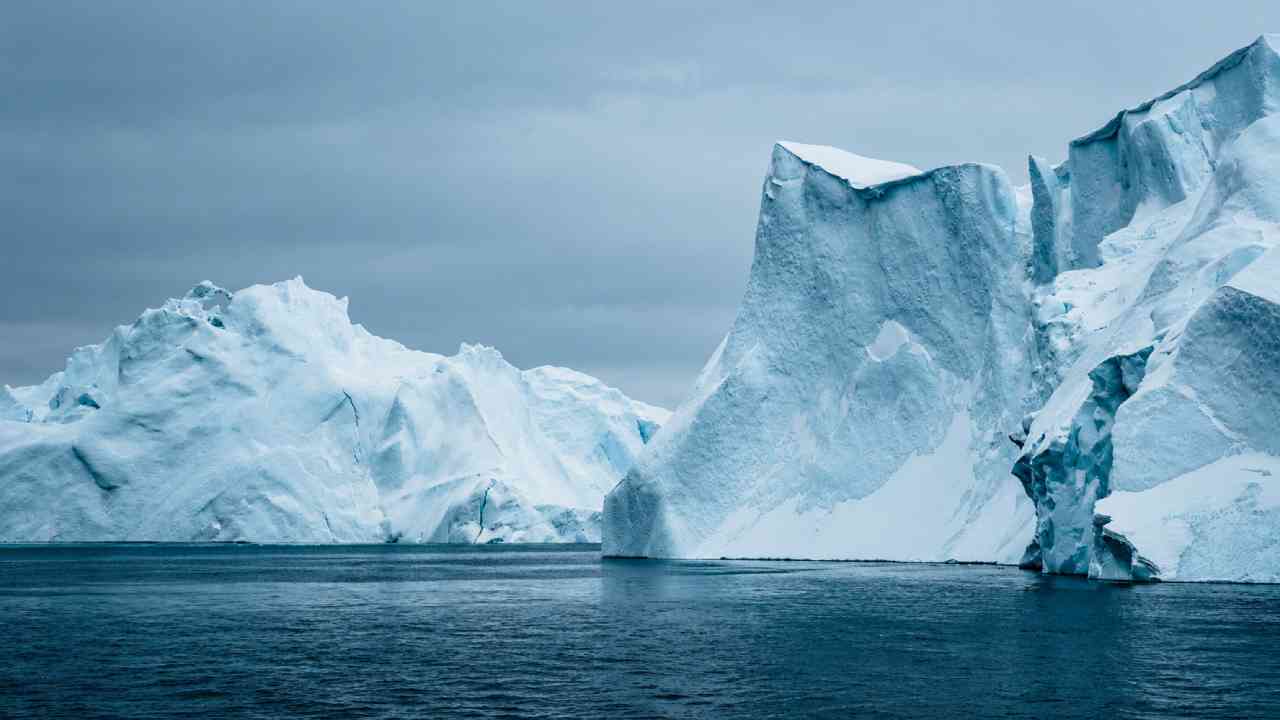
One of the first details travelers notice is the remarkable color of the ice. Some sections appear almost white, while deeper formations can display intense shades of blue. This effect comes from the physical structure of compact glacial ice. Over time, layers of snow become compressed and lose much of their trapped air. Dense ice absorbs more red wavelengths of visible light. As a result, more blue light reaches the viewer’s eyes. The effect can become especially noticeable inside deep cracks or newly exposed sections of ice. Sunlight, clouds, and viewing angles can also change how those colors appear throughout the day. Consequently, Perito Moreno Glacier never seems completely static. Its colors and shadows constantly shift, giving photographers many different versions of the same frozen landscape.
Read Also: Arsenal Crash Out of Carabao Cup as Arteta Faces Criticism Over Max Dowman Treatment
The Dramatic Sound of Ice Breaking Away
The glacier is not silent. In fact, sound can become one of the most memorable parts of a visit. Travelers may first hear a deep crack echo across the water. Seconds later, a section of ice may separate from the glacier and collapse into Lago Argentino. This natural process is known as calving. Small pieces can fall without much warning, while larger collapses may create a powerful splash and a rolling sound across the lake. However, there is no reliable timetable for these events. Visitors might witness several during their stay or wait for long periods without seeing a major collapse. That uncertainty makes watching the glacier surprisingly exciting. Instead of simply observing a beautiful landscape, travelers are watching a huge natural system that continues to move and transform.
The Famous Ice Dam and Rupture Phenomenon
Perito Moreno Glacier is also famous for an unusual natural cycle. At certain times, its advancing ice reaches the land around the Península de Magallanes and can restrict the normal movement of lake water. Water then builds up on one side, creating increasing pressure against the ice. Eventually, water may carve a passage beneath the glacier. An ice arch can form before collapsing in a dramatic rupture. This phenomenon has helped make Perito Moreno internationally famous. However, travelers should not plan a trip expecting to see a rupture on a particular date. The timing depends on changing natural conditions and cannot be predicted like a scheduled attraction. Even without a major rupture, the glacier remains spectacular because smaller cracks, movements, and calving events continue to reshape its enormous front.
Boardwalks Offer Remarkable Glacier Views
One reason Perito Moreno Glacier works so well as a travel destination is its accessibility. A network of boardwalks and viewing platforms provides different perspectives across the glacier front. Visitors can move between viewpoints instead of remaining in one crowded observation area. Some platforms highlight the immense ice wall, while others reveal the surrounding lake and mountains. Moreover, changing elevation can completely alter the sense of scale. A section that looks small from one platform may appear enormous from another. Travelers should allow enough time to explore the walkways slowly. Rushing between viewpoints can mean missing subtle changes in light, sound, and movement. Comfortable footwear is useful, while layered clothing helps with Patagonia’s changing weather. Even on a clear day, conditions can shift quickly near the ice.
Boat Trips Reveal Another Side of Perito Moreno
Seeing Perito Moreno Glacier from the water creates a very different impression. Boat excursions on Lago Argentino can bring travelers closer to selected sections of the glacier while maintaining appropriate safety distances. From this perspective, the vertical scale of the ice becomes easier to understand. Towers, cracks, and blue layers appear much larger than they do from distant platforms. Meanwhile, floating pieces of ice add another visual element to the lake. A boat tour can also complement the boardwalk experience rather than replace it. The platforms provide broad panoramic views, whereas the water offers a lower and more dramatic perspective. Travelers interested in photography may appreciate experiencing both. Weather conditions can influence boat operations, so schedules should always be confirmed locally before departure.
Glacier Trekking Adds a Sense of Adventure
Travelers looking for a more active experience can find guided glacier excursions in the region. Depending on current conditions and operator availability, certain tours allow participants to walk on designated areas of glacial ice with specialist equipment. The experience reveals details that cannot be seen from a viewing platform. Small channels, textured ice, deep blue formations, and irregular surfaces create an almost alien environment. However, glacier travel requires professional supervision. Hidden cracks and unstable areas can make independent exploration dangerous. Visitors should follow official guidance and use authorized operators when choosing an ice activity. Physical requirements also vary between tours. Therefore, checking age limits, fitness recommendations, equipment, and weather policies before booking is essential. For suitable travelers, guided trekking can turn a scenic visit into a memorable Patagonia adventure.
El Calafate Is the Main Gateway for Travelers
For most visitors, El Calafate serves as the practical gateway to Perito Moreno Glacier. The Patagonian town offers accommodation, restaurants, transport services, and tour operators for trips into Los Glaciares National Park. This makes planning relatively straightforward compared with many remote glacier destinations. Travelers can stay in town and visit the glacier as a day trip. However, spending more than one day in the wider region can provide a more relaxed experience. Patagonia rewards travelers who leave room for weather changes and slower exploration. In addition, El Calafate has its own appeal, with views of Lago Argentino and a strong connection to the surrounding landscape. Combining the town with the glacier creates a journey that feels more complete than simply arriving, taking photographs, and immediately leaving.
When to Visit Perito Moreno Glacier
The warmer months of the Southern Hemisphere are popular for visiting Argentine Patagonia. Longer daylight hours generally provide more time for exploring viewpoints and enjoying outdoor activities. However, popular periods can also bring larger crowds. Shoulder-season travel may offer a quieter atmosphere, although weather can be less predictable. Regardless of the month, visitors should prepare for rapid changes in temperature, wind, and cloud cover. Patagonia is famous for conditions that can shift within a single day. Therefore, layers are usually more practical than one heavy item of clothing. A wind-resistant outer layer can also make viewpoint walks more comfortable. Instead of searching for a perfectly guaranteed weather day, travelers should arrive prepared for different conditions. Clouds can even make the blue ice appear more dramatic.
Why Perito Moreno Glacier Looks Almost Unreal
There are beautiful glaciers around the world, yet Perito Moreno has a particularly cinematic quality. Part of that impression comes from contrast. Brilliant blue ice rises beside dark water, green forest, and rugged mountains. At the same time, the glacier’s jagged surface resembles a frozen city filled with towers and deep crevasses. Scale also plays an important role. Without people or buildings nearby, photographs can make it difficult to understand how enormous the landscape really is. Then, suddenly, a section of ice falls and reveals its true dimensions. This mixture of color, scale, movement, and isolation gives the destination its surreal character. It is easy to understand why first-time visitors sometimes describe the landscape as something from another planet rather than a real place in Argentina.
A Patagonia Experience Worth Traveling For
Perito Moreno Glacier offers more than a beautiful background for a travel photograph. It provides an opportunity to observe a powerful natural environment at remarkably close range. Visitors can spend hours following the boardwalks, listening for cracking ice, watching changing colors, or exploring Lago Argentino by boat. More adventurous travelers can also consider professionally guided ice experiences when conditions allow. Most importantly, the destination encourages people to slow down. A glacier moves on a completely different timescale from everyday life, yet its changes can sometimes unfold directly in front of visitors. That contrast creates a lasting impression. For travelers searching for dramatic scenery in Patagonia, Perito Moreno Glacier combines accessibility, adventure, and raw natural beauty in a way few destinations can match.