A New Side of Shibuya Halloween, Where Travel Meets Respect
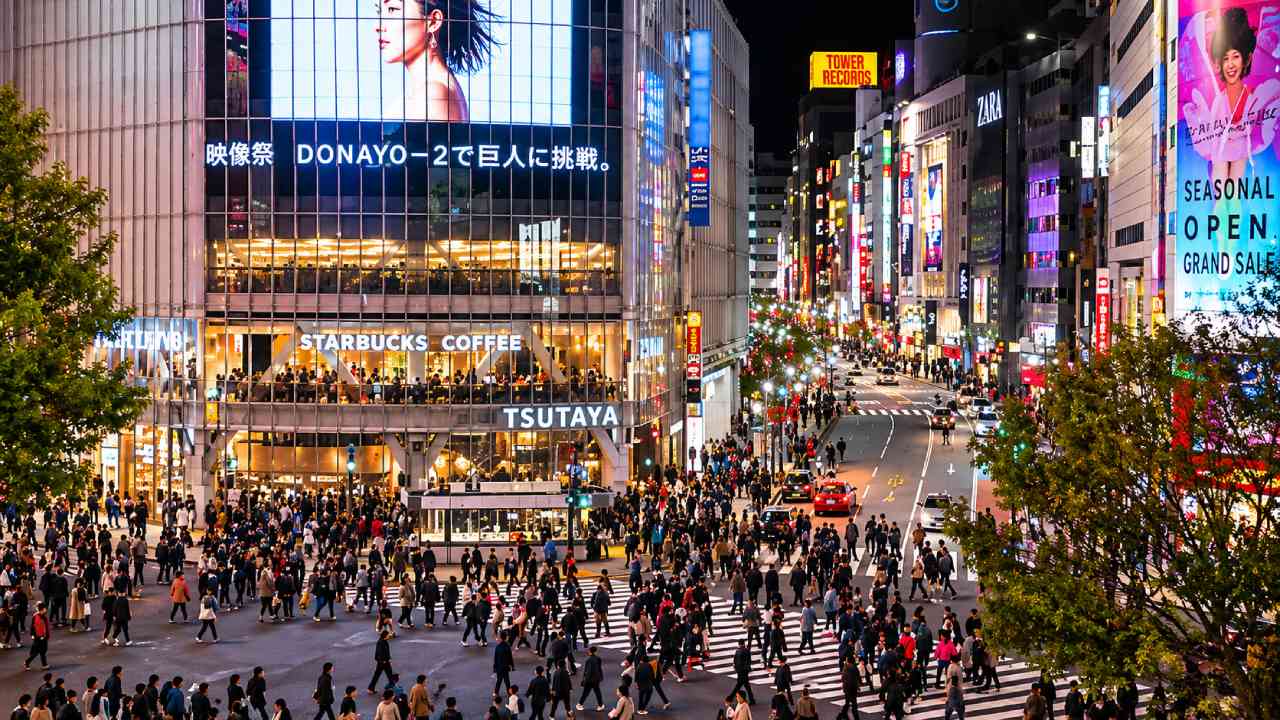
Trans to Find – For years, Shibuya Halloween represented one of Tokyo’s most colorful nights. Costumes filled the streets, neon signs created dramatic backdrops, and visitors gathered around the famous crossing. However, the atmosphere is changing. Shibuya is still energetic, but local attitudes toward large Halloween crowds have become more cautious. The shift offers an interesting lesson for modern travelers. Visiting a famous destination is no longer only about finding the best photo or joining the biggest crowd. It is also about understanding how tourism affects the people who live there. Therefore, experiencing Shibuya today requires a little more awareness. Travelers can still enjoy its fashion, food, nightlife, and urban energy. Yet respecting public spaces has become an important part of the experience. In many ways, this new chapter reflects a wider travel trend. Great trips are increasingly defined by meaningful experiences rather than simply being present at the busiest place.
The Famous Crossing Still Captures Tokyo’s Energy
Shibuya Crossing remains one of Tokyo’s most recognizable sights. When the pedestrian lights turn green, people move across the intersection from several directions at once. The scene feels chaotic at first. Surprisingly, however, the movement usually has its own rhythm. Commuters, shoppers, students, and travelers all share the same space. That contrast makes the crossing fascinating to watch. For visitors, it can feel like stepping directly into the Tokyo they have seen in films and travel photography. Still, the crossing is part of everyday city life rather than a private photo set. Therefore, travelers should avoid stopping in the middle or blocking other pedestrians. Instead, walk naturally with the crowd and enjoy the moment as it happens. This approach often creates a more authentic memory. After all, the charm of Shibuya comes from participating in its rhythm, not interrupting it for the perfect social media shot.
Halloween Once Turned Shibuya Into a Giant Street Scene
The rise of Shibuya Halloween happened gradually. During the early 2010s, young people began gathering in costumes around the district. The celebration felt spontaneous, creative, and closely connected with Tokyo’s youth culture. By 2017, local initiatives such as ShibuHallo reflected an effort to give the festivities a community-oriented identity. Then social media changed the scale of attention. Images of elaborate costumes beneath Shibuya’s glowing billboards traveled around the world. As a result, international visitors also became curious about experiencing Halloween in the district. What began as a relatively organic gathering eventually became a major attraction. Yet rapid popularity can change the character of any destination. Larger crowds require more management, while public spaces face greater pressure. Shibuya’s experience shows how quickly a local cultural moment can become a global travel phenomenon. It also explains why the district is now reconsidering how such celebrations should fit into everyday urban life.
Read Also: Apple Breaks Steve Jobs’ Old Rule With First Touchscreen MacBook Pro
Overtourism Is Changing the Travel Conversation
Japan’s tourism boom provides important context for the changes in Shibuya. The country welcomed more than 40 million international visitors in 2025. Popular areas of Tokyo naturally received a large share of that attention. Meanwhile, destinations such as Kyoto and Osaka have faced similar conversations about crowding and visitor behavior. Tourism creates jobs and supports restaurants, hotels, shops, and transportation. However, heavy visitor numbers can also place pressure on neighborhoods. This tension is often described as overtourism. For travelers, the idea does not mean avoiding famous places completely. Instead, it encourages a more thoughtful approach. Visiting during quieter hours can help. Exploring streets beyond viral landmarks can also reveal a more personal side of a city. Moreover, supporting smaller local businesses spreads tourism benefits beyond major attractions. Shibuya offers a useful example. Its famous crossing deserves attention, but the surrounding neighborhood offers many experiences that can make a Tokyo trip feel richer.
“Goodbye Bad Halloween” Sends a Clear Message
Shibuya’s changing approach became especially visible through the phrase “Goodbye Bad Halloween.” Rather than presenting Halloween only as a street celebration, the message places greater attention on responsible behavior. Previous gatherings had generated complaints about noise, litter, broken bottles, and other disturbances. Therefore, local authorities began taking a more cautious approach toward large crowds. For travelers, the message is worth considering beyond Halloween itself. Respecting a destination means recognizing that public spaces are shared. A street that looks exciting to visitors may also be someone’s daily route to work. Likewise, a quiet side street may sit beside homes rather than tourist attractions. Simple habits can make travel more considerate. Keep noise under control, follow local rules, dispose of waste properly, and avoid blocking pedestrian traffic. These actions require little effort. Nevertheless, they can make a meaningful difference in destinations experiencing heavy tourism.
Shibuya Offers Much More Than One Famous Crossing
A visit to Shibuya does not need to revolve entirely around Halloween or its famous intersection. The district rewards travelers who spend time exploring beyond the obvious landmarks. Fashion stores, cafés, restaurants, music venues, and creative spaces reflect the neighborhood’s youthful personality. Meanwhile, smaller streets can feel surprisingly calm compared with the main crossing. This contrast is one of Shibuya’s greatest charms. A traveler might begin the afternoon shopping, stop at a café, and later watch the district transform after sunset. From Shibuya, it is also easy to continue toward Harajuku or Omotesando. Therefore, the area works well as part of a wider Tokyo itinerary. More importantly, exploring slowly can create stronger memories than rushing between viral locations. Travel often becomes more rewarding when there is room for unexpected discoveries. In Shibuya, those discoveries may appear inside a tiny café, an independent shop, or a quiet street only minutes from the crowds.
Timing Can Completely Change Your Shibuya Experience
Choosing when to visit can make a major difference. Shibuya becomes especially dramatic after sunset, when giant screens and illuminated buildings dominate the streets. However, evenings can also bring heavier crowds. Travelers who prefer a calmer experience may enjoy visiting earlier in the day. Morning hours usually provide more breathing room around popular areas. In addition, photographers may find it easier to observe the neighborhood without constantly navigating dense groups. Evening visits offer a different reward. The lights, restaurants, and nightlife reveal the energetic image that many travelers associate with modern Tokyo. Therefore, there is no single perfect time. The best choice depends on the experience you want. During major events such as Halloween, visitors should also check current local guidance before heading out. Rules and crowd-control measures can change. A flexible itinerary is helpful because it allows travelers to move elsewhere when an area becomes uncomfortable or excessively busy.
Responsible Travel Can Make Tokyo Feel More Personal
Responsible travel sometimes sounds like a complicated concept. In practice, it often begins with simple choices. Travelers can follow local signs, respect queues, avoid leaving rubbish, and keep pedestrian routes clear. In addition, supporting independent restaurants and neighborhood shops can create a more meaningful connection with a destination. These choices are especially relevant in busy districts such as Shibuya. The neighborhood is internationally famous, yet it remains a real place where people work, shop, meet friends, and travel home. Recognizing that everyday reality changes the way a visitor sees the city. Instead of treating Tokyo as a collection of photo opportunities, travelers begin noticing its routines and social rhythms. Consequently, the experience can feel more personal. Respect does not make travel less exciting. In fact, it often opens the door to a deeper understanding of a destination. That mindset fits naturally with the changing story of Shibuya Halloween.
Slower Travel Reveals Another Side of Shibuya
There is something refreshing about visiting Shibuya without trying to see everything at once. Modern travel culture often encourages packed itineraries and constant movement. Yet slowing down can reveal details that rushed visitors miss. Spend time watching people move through the crossing. Walk into a side street without immediately searching for the next famous landmark. Stop for coffee and observe how the neighborhood changes during the afternoon. These simple moments can provide a stronger sense of place. Furthermore, slower travel reduces the pressure to compete with other visitors for the same experiences. It encourages curiosity instead. Shibuya is particularly suited to this style because its personality changes from street to street. One corner may feel intensely futuristic, while another feels surprisingly intimate. For lifestyle travelers, this contrast can be more interesting than following a rigid checklist. Sometimes, experiencing Tokyo well means allowing the city to set the pace.
Shibuya Remains Exciting, but the Way We Travel Is Changing
The changing face of Shibuya Halloween does not mean Shibuya has lost its appeal. Its streets remain vibrant, fashionable, and unmistakably connected to modern Tokyo. Instead, the shift highlights how travel itself is evolving. Popular destinations increasingly need visitors who understand that memorable experiences and responsible behavior can exist together. Travelers can still cross the famous intersection, explore nightlife, discover Japanese fashion, and enjoy local food. However, they can do so without treating the neighborhood as a playground without boundaries. This balance may define the next generation of city travel. A destination becomes more meaningful when visitors appreciate both its attractions and its everyday life. Shibuya provides a perfect example. The bright screens and busy streets may capture attention first. Yet understanding the people and culture behind that energy can leave a much stronger impression long after the journey ends.