Discover Laguna Colorada, Bolivia’s Hidden Paradise of Pink Flamingos
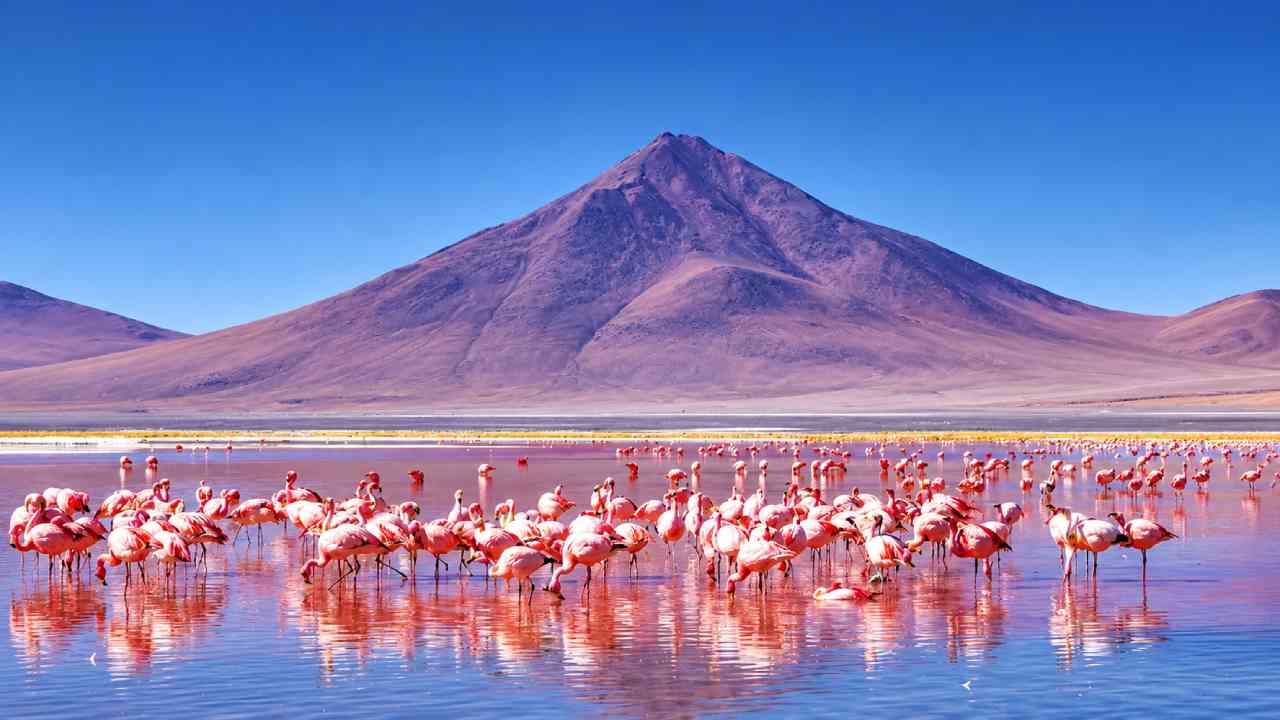
Trans to Find – Discover Laguna Colorada, one of Bolivia’s most remarkable natural attractions, where red waters meet stunning Andean landscapes. This extraordinary lake lies within the Eduardo Avaroa Andean Fauna National Reserve in southwestern Bolivia. Its unusual colors create scenery that almost resembles another planet. Moreover, flocks of pink flamingos bring life to the dramatic surroundings. Unlike typical mountain lakes, Laguna Colorada displays shades of red, orange, and brown. These colors change with sunlight and environmental conditions. Meanwhile, white mineral deposits create striking patterns along the shallow water. The surrounding mountains add another layer of natural beauty. As a result, the entire landscape feels both mysterious and peaceful. Although the journey requires careful planning, the scenery makes this destination especially rewarding. For travelers seeking unusual natural wonders, Laguna Colorada offers an unforgettable glimpse into Bolivia’s remote wilderness.
Where Is Laguna Colorada Located in Bolivia?
Laguna Colorada sits in Bolivia’s Potosí Department, near the country’s southwestern border with Chile. The lake forms part of the protected Eduardo Avaroa Andean Fauna National Reserve. Furthermore, it lies approximately 4,278 meters above sea level. This remarkable elevation creates a cold and challenging environment throughout the year. The surrounding region features volcanic mountains, mineral-rich plains, and vast open landscapes. Unlike popular city destinations, this area has limited infrastructure and few nearby settlements. Therefore, visitors usually explore it through organized four-wheel-drive tours. Many journeys begin in Uyuni and continue through the southern Altiplano. Along the way, travelers encounter salt flats, volcanic formations, and other colorful lagoons. However, the high altitude requires preparation and patience. Despite these challenges, the remote location remains part of Laguna Colorada’s appeal. Its isolation helps preserve the dramatic scenery and distinctive wildlife.
Why Does Laguna Colorada Have Such Unusual Colors?
The striking red appearance of Laguna Colorada comes mainly from biological and environmental processes. Salt-tolerant microorganisms, including algae, contribute pigments that influence the water’s color. In addition, suspended sediments can affect the lake’s appearance. Sunlight, wind, and changing water conditions also influence the visible shades. Consequently, the lake does not always display the same intensity of red. Sometimes, its surface appears deep reddish-brown. At other times, brighter tones become visible under favorable lighting. Meanwhile, pale mineral deposits create contrasting white patches across the landscape. These formations make the scenery even more distinctive. Interestingly, the lake’s unusual appearance reflects the challenging conditions of the Andean highlands. Its shallow, mineral-rich waters support specialized forms of life. Therefore, Laguna Colorada offers more than visual beauty. It also provides an opportunity to appreciate the natural processes shaping extreme environments.
Read Also: BTS Transforms Singapore’s National Gallery Into a Unique Art, Food, and Music Experience
Pink Flamingos Make Laguna Colorada a Wildlife Paradise
One of Laguna Colorada’s greatest attractions is its remarkable flamingo population. Visitors may observe several flamingo species feeding in the shallow waters. These include the Andean flamingo, James’s flamingo, and Chilean flamingo. Each species has distinctive features and adaptations suited to high-altitude environments. Moreover, the lake provides feeding habitat for these elegant birds. Their pink feathers create a beautiful contrast against the reddish water. During favorable periods, large groups may gather across the lagoon. As a result, the landscape becomes especially appealing to wildlife photographers. However, flamingos are sensitive to disturbance. Travelers should maintain a respectful distance and avoid approaching nesting or feeding areas. Binoculars and zoom lenses offer excellent ways to observe their behavior. Ultimately, these birds demonstrate how wildlife can thrive in environments that appear harsh and unwelcoming.
The Surreal Landscapes Surrounding Laguna Colorada
The scenery surrounding Laguna Colorada feels dramatically different from conventional lake destinations. Instead of lush forests, visitors encounter volcanic mountains and expansive mineral plains. The landscape features earthy reds, muted browns, and brilliant white deposits. Meanwhile, the clear Andean sky creates a striking contrast above the terrain. On windy days, ripples change the lake’s reflections and surface patterns. During calmer conditions, distant mountains may appear across the shallow water. These natural changes make every visit visually different. Furthermore, the surrounding Altiplano contains other fascinating geological attractions. Travelers can encounter geothermal areas, unusual rock formations, and additional high-altitude lagoons. However, distances between attractions can be considerable. Therefore, a planned route helps visitors appreciate the region without unnecessary travel pressure. For landscape enthusiasts, Laguna Colorada offers an exceptional setting for observing Bolivia’s remarkable geological diversity.
How to Visit Laguna Colorada From Uyuni
Most travelers reach Laguna Colorada through organized tours departing from Uyuni, Bolivia. Multi-day journeys commonly combine the lake with the famous Salar de Uyuni salt flats. Depending on the itinerary, visitors may reach Laguna Colorada during the later stages of their trip. The journey usually involves rugged roads and remote mountain terrain. Therefore, experienced drivers and suitable four-wheel-drive vehicles are important. Tour operators often arrange transportation, basic accommodation, and meals. However, services vary considerably between packages. Before booking, travelers should confirm the route, included activities, and accommodation standards. In addition, checking vehicle conditions and emergency arrangements is worthwhile. Mobile coverage can be unreliable in remote areas. Consequently, independent travel requires substantial preparation and local knowledge. Although the journey can feel demanding, it reveals some of Bolivia’s most extraordinary landscapes. Laguna Colorada becomes a memorable highlight of the wider Altiplano adventure.
Best Time to Discover Laguna Colorada’s Natural Beauty
Travelers can explore Laguna Colorada during different seasons, although conditions vary throughout the year. The dry season generally runs from May to October. During these months, road conditions may be more predictable. However, nighttime temperatures can fall well below freezing. Strong winds are also common across the exposed highlands. Meanwhile, the wetter season brings different lighting and landscape conditions. Rainfall may affect access routes and travel schedules. Therefore, visitors should check local forecasts before departure. Flamingo activity can also vary with seasonal environmental conditions. For photography, early morning and late afternoon often provide attractive natural light. Nevertheless, the lake’s appearance depends on weather and visibility. Travelers should remain flexible rather than expecting identical conditions every day. Ultimately, the best travel period depends on personal preferences, road access, and tolerance for cold weather.
Essential Travel Tips for Exploring Laguna Colorada Safely
Visiting Laguna Colorada requires more preparation than an ordinary sightseeing trip. Its high elevation creates a risk of altitude sickness, especially for travelers arriving quickly from lower regions. Therefore, gradual acclimatization is important whenever possible. Visitors should also recognize symptoms such as headaches, nausea, and unusual fatigue. Severe or worsening symptoms require prompt medical attention and descent. Furthermore, the region experiences strong sunlight despite its cold temperatures. Sunscreen, sunglasses, and protective clothing are essential. Warm layers also help travelers manage sudden temperature changes. Meanwhile, sturdy footwear provides better comfort on uneven terrain. Carrying drinking water and personal medication is equally important. Because facilities are limited, travelers should confirm supplies before leaving major towns. Choosing an experienced tour operator can improve logistical planning. Most importantly, visitors should respect protected areas and follow guidance from local authorities.
Photography Opportunities Around the Red Flamingo Lake
Laguna Colorada offers exceptional opportunities for landscape and wildlife photography. Its red water provides a dramatic foreground against distant Andean mountains. Meanwhile, flamingos introduce movement and color into the scenery. For wide landscape photographs, a broad composition can capture the lake’s unusual patterns. However, wildlife images benefit from a telephoto lens. This equipment allows photographers to observe flamingos without approaching them. Early morning light may create soft colors and gentle shadows. In contrast, afternoon sunlight can highlight mineral deposits and surrounding terrain. Wind conditions also affect reflections across the water. Therefore, patience often produces better results than rushing between viewpoints. Photographers should protect their equipment from dust, cold, and strong winds. Additionally, they should avoid disturbing wildlife for a closer photograph. The most memorable images often combine careful observation with respect for the natural environment.
Other Incredible Attractions Near Laguna Colorada
A journey to Laguna Colorada often includes several other remarkable destinations in southwestern Bolivia. One popular attraction is the Sol de Mañana geothermal field. This area features steaming vents, bubbling mud, and dramatic volcanic activity. Nearby, visitors may also explore the hot springs of Polques. These thermal waters provide a contrasting experience within the cold highlands. Furthermore, Laguna Verde offers another striking landscape near Licancabur Volcano. Its mineral-rich waters can display greenish tones under certain conditions. The region also features the Salvador Dalí Desert, known for unusual rock formations. Meanwhile, Laguna Blanca provides another scenic stop along some routes. Each attraction reveals a different aspect of the Altiplano’s geology. However, access and road conditions can change with the weather. Therefore, travelers should confirm their itinerary with local guides before departure.
Responsible Tourism Helps Protect Laguna Colorada’s Wildlife
Laguna Colorada belongs to a protected ecosystem that supports specialized wildlife. Although the landscape appears remote, tourism can still affect its delicate environment. For this reason, responsible travel practices are especially important. Visitors should remain on permitted routes and follow reserve regulations. Moreover, litter must never be left near the lake or surrounding habitats. Flamingos need undisturbed areas for feeding and other natural activities. Therefore, approaching wildlife too closely can create unnecessary stress. Travelers should also avoid entering restricted waters or disturbing mineral formations. Choosing responsible tour operators supports better environmental practices. In addition, purchasing permitted local services can benefit nearby communities. These actions may seem small, yet they help reduce tourism’s impact. Protecting the landscape ensures that future visitors can appreciate its extraordinary colors and wildlife. More importantly, conservation supports the species that depend on this fragile high-altitude ecosystem.