Italy’s 3.7-Kilometer Suspension Bridge Could Transform Travel to Sicily
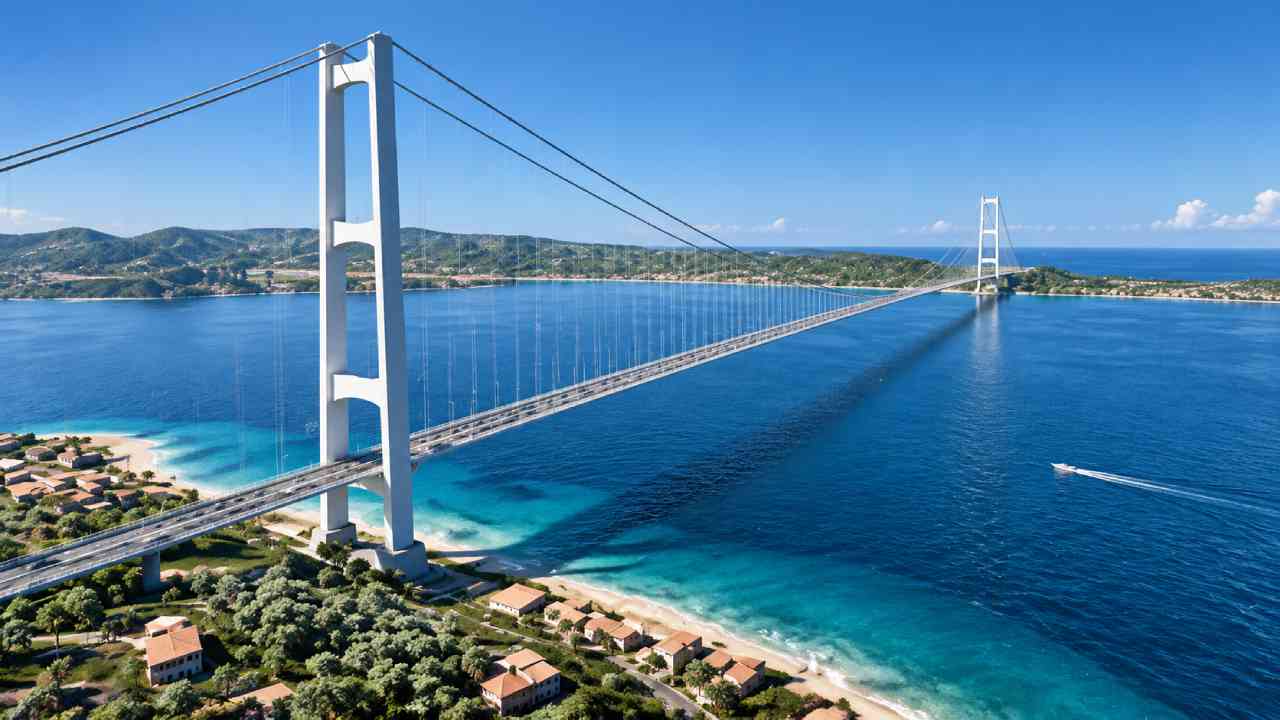
Trans to Find – Italy’s travel landscape may soon welcome a new experience as a massive suspension bridge creates a different connection between the mainland and Sicily. Stretching across 3.7 kilometers, the structure represents more than a transportation project. It has the potential to become a new symbol of Italian travel and a memorable destination for visitors. For many travelers, the journey itself often becomes part of the adventure. A bridge with such a remarkable scale could offer a unique perspective of the surrounding sea, coastline, and landscapes. Therefore, the attraction may not only come from reaching a destination but also from experiencing the route along the way. This shift reflects a growing travel trend where people seek meaningful journeys, iconic views, and memorable moments rather than simply moving from one place to another.
A Journey Across the Mediterranean Could Become More Memorable
Travel experiences often begin before visitors arrive at their final destination. The road, scenery, and unexpected discoveries along the way can shape how people remember a trip. Italy’s planned suspension bridge could add another memorable chapter to journeys toward Sicily. Instead of viewing transportation as a simple necessity, travelers may see the crossing as part of their holiday experience. The combination of engineering, natural scenery, and Mediterranean atmosphere could create a distinctive travel moment. Moreover, modern travelers increasingly look for destinations that provide visual stories they can share through photography and personal experiences. A dramatic bridge crossing could naturally become one of those moments.
Sicily Could Gain a New Gateway for Travelers
Sicily has long attracted visitors with its history, beaches, architecture, and cuisine. The island offers a different rhythm compared with many popular European destinations. However, accessibility plays an important role in how travelers plan their journeys. A new connection could influence how people think about visiting the region. Instead of seeing Sicily as a separate destination that requires additional planning, some travelers may view it as a more connected part of an Italian adventure. As a result, the bridge could encourage more road trips and longer exploration of southern Italy. Visitors may have more opportunities to combine coastal towns, historical locations, and local experiences within one itinerary.
Read Also: Kai Kai and Jia Jia Celebrate a Bittersweet Birthday in Singapore
The Bridge Could Become an Iconic Photo Destination
Modern travel is closely connected with visual storytelling. Many tourists search for places that provide memorable scenery and unique backgrounds for photographs. Italy already has famous landmarks that attract millions of visitors because of their beauty and cultural importance. A large suspension bridge surrounded by Mediterranean views could eventually join that category. Travelers may not only cross the bridge but also stop to appreciate the landscape around it. Furthermore, iconic infrastructure often becomes part of a destination’s identity. Similar to famous bridges around the world, this structure could represent a place where architecture and nature meet.
A New Experience for Road Trip Enthusiasts
Road trips continue to attract travelers who enjoy flexibility and discovery. Unlike traditional sightseeing, road trips allow people to explore smaller towns, local restaurants, and hidden landscapes. Italy’s new bridge could create another reason for travelers to consider a southern Italy road adventure. The journey toward Sicily could become a central part of the experience rather than just a route to follow. Along the way, visitors could discover regional traditions, coastal scenery, and local culture. Therefore, the bridge may support a style of travel that values exploration and personal experiences.
Connecting Modern Travel With Italian Culture
Italy’s appeal has always come from the combination of history, lifestyle, and natural beauty. Travelers often visit the country not only for famous attractions but also for everyday experiences such as local food, markets, villages, and coastal life. A new landmark could add another modern element to this traditional travel identity. Instead of replacing Italy’s cultural charm, new infrastructure can create additional ways for visitors to experience it. In this sense, the bridge represents a meeting point between innovation and heritage. It shows how a country can continue developing while maintaining the qualities that make it attractive to travelers.
Why Unique Travel Experiences Matter More Today
Travelers today often search for experiences that feel personal and memorable. A simple visit to a destination may no longer feel enough for many people. They want stories, emotions, and moments they can remember after returning home. Italy’s suspension bridge could fit this changing preference because it offers more than practical transportation. It could provide a sense of scale, adventure, and connection with the surrounding environment. Moreover, unique landmarks often encourage visitors to explore nearby areas. A single attraction can become a starting point for discovering local culture, cuisine, and communities.
The Bridge Could Influence Tourism Around Southern Italy
Tourism growth often depends on how easily visitors can discover new areas. A major landmark can attract attention and encourage travelers to explore regions beyond traditional destinations. Southern Italy already offers diverse experiences, from historic cities to coastal landscapes. A new travel route could help introduce these areas to more international visitors. However, sustainable tourism remains important. Popular attractions need careful planning to protect local environments and communities. Therefore, future travel development should balance visitor interest with responsible management.
Blending Architecture, Nature, and Travel Inspiration
One reason large landmarks attract attention is their ability to combine different elements into one experience. A suspension bridge represents engineering, but its meaning can extend beyond construction. It can become a viewpoint, a travel memory, and a symbol of connection. Italy’s landscape provides a dramatic setting for such a structure. The contrast between modern design and Mediterranean scenery could create a unique atmosphere. Consequently, visitors may remember not only where they traveled but also how they felt during the journey.
A Possible New Highlight on Italy’s Travel Map
Italy already has countless destinations that attract travelers from around the world. From historic cities to peaceful coastal villages, the country offers experiences for different types of visitors. A new landmark could introduce another reason to explore the southern region. For adventure seekers, it may become part of a memorable route. For photography lovers, it could offer a new perspective. Meanwhile, for casual travelers, it may simply become a fascinating stop during an Italian holiday. This variety gives major landmarks long-term appeal.
How Travelers May Plan Future Sicily Adventures
If the bridge becomes part of regular travel routes, visitors may rethink how they organize trips to Sicily. Instead of focusing only on arrival, travelers could design experiences around the journey itself. A future itinerary might combine the bridge crossing with coastal drives, cultural visits, and local food experiences. This approach matches the modern travel mindset, where the process of exploring matters as much as the destination. Therefore, the bridge could influence not only transportation but also the way people imagine their Italian adventures.
Italy’s New Bridge Represents More Than a Connection
Italy’s 3.7-kilometer suspension bridge could become more than a way to reach Sicily. It represents a new type of travel experience where infrastructure, scenery, and culture come together. While its practical purpose remains important, its potential as a landmark could create a different relationship between travelers and the journey itself. Modern tourism continues to move toward experiences that feel unique and meaningful. In that context, Italy’s new bridge could become another example of how destinations evolve while preserving their identity.