Neuschwanstein Castle, A Fairytale Palace Hidden in Germany’s Mountains
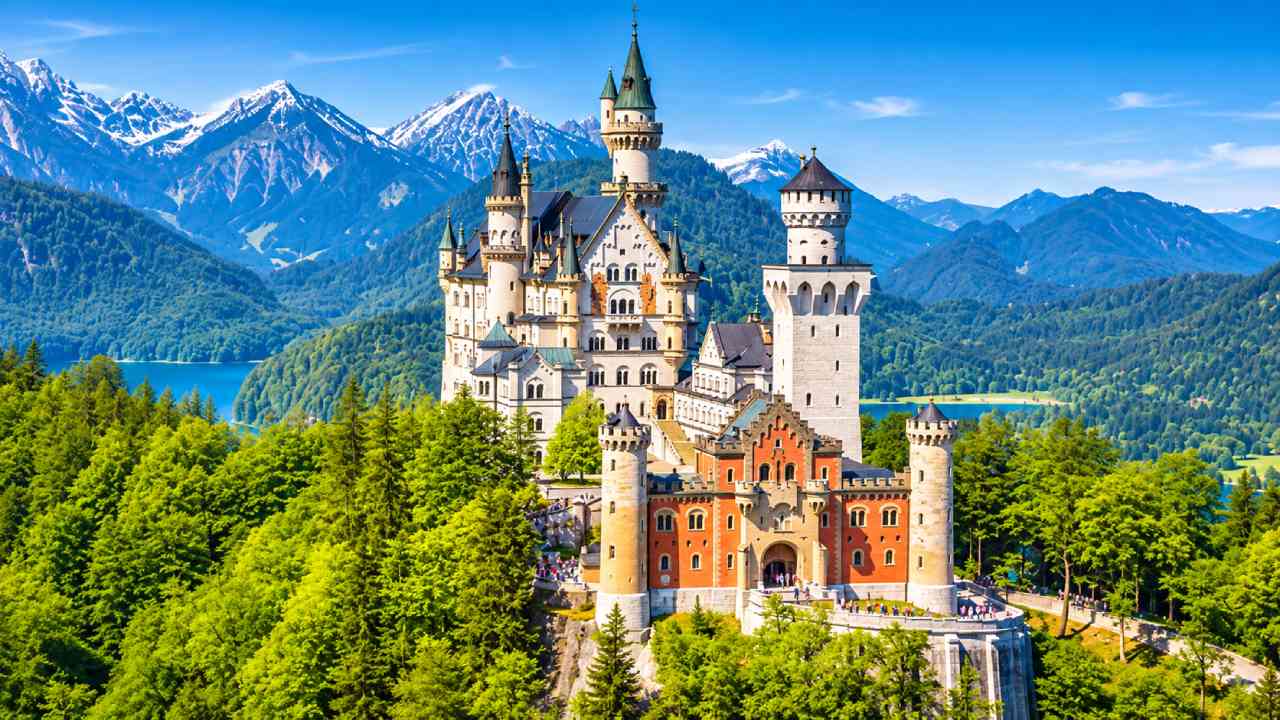
Trans to Find – Neuschwanstein Castle is a breathtaking fairytale palace in Bavaria, Germany, surrounded by dramatic Alpine mountains and lush forests. Its elegant towers, pale stone walls, and picturesque surroundings create an atmosphere that seems almost unreal. From a distance, the castle resembles an illustration from a classic European storybook. However, this remarkable destination holds a fascinating history beyond its enchanting appearance. King Ludwig II commissioned the palace during the nineteenth century to express his artistic imagination. Moreover, its secluded location reflects his desire to escape the pressures of royal life. Today, travelers visit this architectural treasure to discover its history, cultural significance, and extraordinary scenery. The surrounding landscape also changes beautifully throughout the seasons. As a result, every visit offers a different perspective on one of Germany’s most recognizable landmarks.
The Extraordinary Vision of King Ludwig II
The story behind this magnificent palace begins with King Ludwig II of Bavaria. Construction started in 1869, reflecting the king’s fascination with medieval legends, romantic architecture, and classical music. Rather than creating a traditional military fortress, Ludwig imagined a private retreat filled with artistic beauty. Furthermore, the works of German composer Richard Wagner influenced many decorative elements throughout the building. The king admired stories about heroic knights, mysterious kingdoms, and legendary adventures. Consequently, these themes became central to the palace’s architectural identity. Unfortunately, Ludwig died in 1886 before workers completed his ambitious project. The palace opened to the public shortly after his death. What began as a deeply personal escape eventually became an internationally recognized cultural attraction. Today, its unfinished history adds another layer of fascination to the experience of exploring this remarkable royal residence.
Fairytale Architecture That Captures the Imagination
Neuschwanstein Castle immediately captures attention through its distinctive architectural design. Tall towers rise above the surrounding forest, while decorative balconies overlook the dramatic mountain landscape. Although the building resembles a medieval fortress, its construction belongs to the nineteenth century. Its design primarily reflects the Romanesque Revival movement, with additional influences from Gothic and Byzantine architecture. Moreover, the combination of historical styles creates a unique visual identity. Unlike defensive castles from earlier centuries, this palace prioritizes artistic expression and royal comfort. Its architects carefully integrated the building into the surrounding landscape. As a result, the structure appears to emerge naturally from the rocky hillside. The contrast between pale limestone walls and dark green forests strengthens its dramatic appearance. These architectural details help explain why the castle continues to inspire photographers, artists, filmmakers, and travelers from around the world.
Read Also: Viral Seoul Scarf Seller Turns Harsh Humor Into a Tourist Attraction
Discovering the Magnificent Royal Interiors
Beyond its impressive exterior, the palace contains richly decorated rooms that reveal Ludwig’s artistic interests. The Throne Hall features elaborate ornaments, colorful murals, and a magnificent chandelier. Interestingly, the room never received its intended throne. Meanwhile, the Singers’ Hall celebrates medieval legends through detailed paintings and decorative craftsmanship. Another unusual feature is an artificial grotto that resembles a small natural cave. Furthermore, the royal bedroom displays intricate wood carvings and Gothic-inspired decorations. Despite its historical appearance, the palace incorporated several modern conveniences for its time. These included running water and advanced heating arrangements. Therefore, the building represents more than a romantic interpretation of medieval architecture. It also demonstrates nineteenth-century engineering and creative ambition. Exploring these interiors offers valuable insight into Ludwig’s personality, artistic preferences, and desire to create a world shaped by imagination.
A Magical Landscape Throughout Every Season
The natural surroundings of Neuschwanstein Castle contribute significantly to its unforgettable appearance. During spring, fresh greenery gradually returns to the hillsides and creates a lively atmosphere. Meanwhile, summer brings longer daylight hours and beautiful views across the Bavarian countryside. Autumn introduces warm shades of orange, red, and gold throughout the surrounding forests. Consequently, the castle becomes an especially attractive subject for landscape photography. Winter offers an entirely different experience as snowfall can transform the area into a peaceful wonderland. However, snow and icy conditions may also affect access to certain viewpoints. The changing weather adds another dimension to the scenery. Morning mist sometimes surrounds the towers, creating an almost mysterious appearance. Later in the day, sunlight highlights the architectural details. Each season reveals a different character, making the destination appealing throughout the year.
Marienbrücke Offers an Unforgettable Castle View
One of the most recognizable views of the palace comes from Marienbrücke, also known as Mary’s Bridge. This historic bridge crosses the Pöllat Gorge and offers a dramatic perspective of the surrounding landscape. From this elevated position, visitors can appreciate the relationship between the castle and its mountainous setting. Moreover, the viewpoint reveals architectural details that remain less visible from the village below. Photographers often favor this location because it captures the palace against a spectacular natural backdrop. However, the bridge can become crowded during popular travel periods. Arriving earlier may provide a more comfortable experience. Visitors should also check local conditions because authorities may close access during unsafe weather. Beyond photography, the viewpoint offers an opportunity to appreciate the scale of the landscape. It demonstrates how carefully the palace’s location complements its extraordinary architectural design.
The Castle Behind Disney’s Fairytale Inspiration
The enchanting appearance of Neuschwanstein Castle extends far beyond Germany’s tourism industry. Its romantic architecture helped inspire the design of Disneyland’s Sleeping Beauty Castle. Consequently, many international visitors recognize similarities between the Bavarian landmark and familiar fairytale imagery. The elegant towers, decorative rooftops, and dramatic setting naturally evoke stories about distant kingdoms. However, the real palace possesses a much deeper historical identity than its fictional counterparts. Its architecture reflects Ludwig’s personal interests rather than a commercial entertainment concept. Furthermore, its cultural significance gained additional recognition in 2025. UNESCO included Neuschwanstein among the royal palaces of Ludwig II on its World Heritage List. This recognition highlights the importance of preserving these remarkable architectural achievements. For travelers, discovering the real destination provides an opportunity to explore the historical and artistic influences behind some of the world’s most familiar fantasy imagery.
Exploring the Hidden Beauty of Southern Bavaria
A journey to the palace also introduces travelers to the remarkable beauty of southern Bavaria. The nearby village of Hohenschwangau offers traditional buildings, mountain scenery, and a welcoming atmosphere. Additionally, Alpsee provides peaceful lakeside views surrounded by forested hills. Travelers can also explore Hohenschwangau Castle, where Ludwig II spent part of his childhood. This neighboring residence offers useful historical context for understanding his later architectural ambitions. Meanwhile, the nearby town of Füssen features colorful buildings, historic streets, and charming local restaurants. These attractions encourage visitors to spend more time exploring the region rather than rushing through a single landmark. Furthermore, the combination of cultural heritage and natural scenery creates opportunities for relaxed outdoor activities. Exploring the surrounding area can make the journey more rewarding, especially for travelers who appreciate history, photography, and authentic regional experiences.
Essential Travel Tips for Visiting Neuschwanstein Castle
Planning a visit to Neuschwanstein Castle requires attention to transportation, weather, and ticket availability. Travelers from Munich can take a train to Füssen before continuing toward Hohenschwangau by local bus. From the village, visitors must travel uphill to reach the palace. Therefore, comfortable walking shoes remain essential for exploring the area. Shuttle buses and horse-drawn carriages may provide alternatives for part of the journey. However, these services do not take visitors directly to the entrance. Interior visits require a guided tour, so booking tickets in advance is advisable. Additionally, visitors should allow sufficient time to reach the castle before their scheduled admission. Bringing suitable clothing can also improve comfort because mountain weather changes quickly. Before departure, travelers should consult the official Neuschwanstein website for current ticket information, opening hours, and accessibility updates.
A Timeless Destination Beyond Ordinary Travel Experiences
Some destinations attract travelers through entertainment, while others leave a lasting impression through history and atmosphere. Neuschwanstein Castle belongs to the latter category. Its remarkable setting encourages visitors to appreciate the relationship between human creativity and natural beauty. Moreover, the palace tells a deeply personal story about ambition, artistic passion, and unfinished dreams. Its towers represent more than decorative architectural features. They reflect a historical period when romantic imagination influenced royal architecture. Meanwhile, the surrounding mountains provide a sense of scale that photographs cannot always capture. For architecture enthusiasts, the destination offers an opportunity to study historical design and craftsmanship. Nature lovers can appreciate the forests, lakes, and Alpine scenery. Together, these elements create a memorable cultural experience. The palace remains a powerful example of how an extraordinary artistic vision can continue inspiring generations long after its creator’s lifetime.