Explore the Victoria and Albert Museum’s Stunning Collections
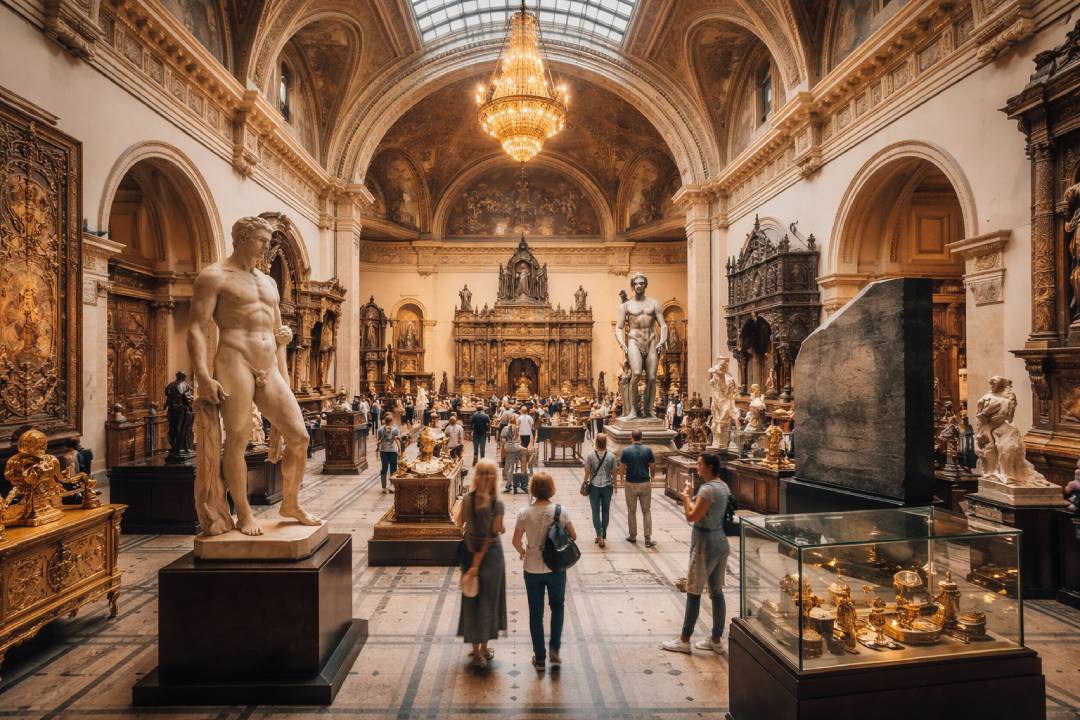
Trans to Find – Explore the Victoria and Albert Museum’s Stunning Collectionsand step into a world where history, culture, and art intertwine. The V&A is one of London’s most iconic museums, and for good reason. It houses a collection that spans over 5,000 years, showcasing a range of artistic and historical periods. From fashion to sculpture, from textiles to photography, it is a treasure trove for anyone with an appreciation for the finer things in life. In my opinion, this museum not only celebrates art but serves as a reflection of humanity’s collective creativity. It allows visitors to trace the development of craftsmanship across diverse cultures and epochs. Therefore, exploring the V&A is a journey through time and innovation, making it a must-visit for any art lover in 2026.
“Read Also: Bruno Fernandes Warns Manchester United: Keep the Focus, Maintain the Momentum!“
A Deep Dive Into the Fashion and Textile Collections
The Victoria and Albert Museum’s fashion and textile collections are among the most comprehensive and impressive in the world. With over 30,000 pieces, the V&A showcases everything from historical garments to modern designs by iconic figures. These collections reveal how clothing, fabrics, and fashion influence cultural expression. Whether you’re a history enthusiast or a fashion lover, you’ll see how style has shaped societies. What fascinates me most is how fashion mirrors cultural and political change. For example, World War II’s impact on fashion design is explored in-depth, highlighting designers’ resilience during crises. In 2026, this collection will remain a vital educational tool, enabling visitors to reflect on how clothing has shaped societal norms and identities.
The Museum’s Most Famous Exhibits: Icons of Design
The V&A is home to some of the most famous design icons in history, including the iconic exhibition of the Great Bed of Ware and the priceless Renaissance collections. These exhibits highlight the evolution of design from the grandiose to the subtle, showcasing intricate details that make each piece unique. The museum’s collections also celebrate cutting-edge modern design, with works by influential designers like Alexander McQueen and Vivienne Westwood. What stands out most about the V&A’s design collections is how they bridge the old with the new. This is where the past and future of design intersect, and the museum excels in presenting these connections in ways that feel fresh and inspiring to contemporary audiences. Looking ahead to 2026, we can expect even more groundbreaking exhibits, blending classic design elements with innovative new ones that will continue to captivate visitors for years to come.
Exploring the V&A’s Photography Collection: A Visual Journey
The photography collection at the Victoria and Albert Museum is one of the world’s most extensive. It includes photographs from some of the most celebrated photographers in history, offering a visual history of the medium itself. The collection spans from the earliest daguerreotypes to contemporary pieces, capturing pivotal moments and allowing visitors to experience the evolution of photography as an art form. What makes the V&A’s photography collection so unique is how it reflects cultural shifts in representation and reality. For instance, the portrayal of women in early 20th-century photographs, compared to today’s standards, highlights both progress and ongoing challenges. With its incredible depth, this section of the museum is a must-see for anyone fascinated by visual storytelling and artistic expression.
Design Beyond Fashion: Exploring the V&A’s Decorative Arts
The V&A’s collection of decorative arts is another major draw for art lovers worldwide. With items spanning ceramics, glass, metalwork, and wood, the collection offers a fascinating look at the intersection of art and utility. For example, the museum’s collection of British silver traces the evolution of design from the 16th century to modern times. What stands out about this section is how it beautifully illustrates how everyday objects have shaped cultural practices. The exquisite craftsmanship of a Georgian teapot alongside the sleek lines of modernist furniture showcases the artistic value even in the most utilitarian items. In 2026, the museum will expand these collections, providing even more opportunities to explore the fusion of function and art.
V&A’s International Influence: How Global Cultures Have Shaped Its Collections
The Victoria and Albert Museum is one of the most intriguing spaces due to its global reach. Its collections span cultures and time periods, from ancient Greek pottery to African textiles. A key feature of the museum is its commitment to showcasing art from around the world, offering visitors a chance to explore cultural traditions from every corner of the globe. What sets the V&A apart is its approach to cross-cultural influences. Many of its exhibits focus on how design traditions from different regions have influenced one another throughout history. For instance, the East Asian collections highlight how European design shaped traditional Japanese ceramics. Offering a truly global perspective, the V&A shows how interconnected the world of art and design really is.
The Role of the V&A in Contemporary Art Education
The V&A is not just a museum; it is also a center for art education. In 2026, the museum continues to provide invaluable resources to students, artists, and educators. Its extensive library and archive are invaluable resources for anyone looking to study design history, fashion, or the decorative arts. The museum’s outreach programs, workshops, and exhibitions also provide practical learning experiences for artists of all ages. What I admire about the V&A’s educational initiatives is that they make art and design accessible to everyone. Whether you’re a child visiting for the first time or a professional artist refining your craft, the V&A offers something for you. It’s a place where creativity is nurtured and celebrated, making it a beacon for education and inspiration.
How the V&A’s Future Exhibitions Are Shaping the Art World
Looking ahead, the Victoria and Albert Museum continues to shape the future of art and design through its innovative exhibitions. In 2026, the museum will host groundbreaking shows that highlight not only traditional art forms but also the role of new technologies in the creation of art. With the rise of digital art, AI-generated design, and virtual reality, the V&A is leading the way in exploring how these technologies are changing the creative landscape. In my view, this makes the V&A even more essential as a space for understanding art in the 21st century. The museum’s commitment to staying relevant in an increasingly digital world ensures that it remains at the forefront of contemporary art discussion.