Bhutan A Journey into the Heart of Happiness and Spiritual Serenity
Trans to Find – Bhutan A Journey into the Heart of Happiness and Spiritual Serenity is about discovering how a small Himalayan kingdom has woven its cultural values, stunning landscapes, and spiritual traditions into a life philosophy centered on well‑being rather than material success. In this article, we will unfold the many layers of Bhutan’s allure, from its vibrant festivals to its breathtaking monasteries, and why it’s considered one of the happiest places on earth.
“Read Also: iPhone 17 Sales Surge in China: The Real Reason Isn’t AI“
The Philosophy of Gross National Happiness
Unlike most countries that measure progress through economic growth, Bhutan evaluates its success using Gross National Happiness (GNH). This unique development philosophy prioritizes holistic well-being over GDP figures. In the 1970s, Bhutan introduced GNH to reflect its belief that true progress goes beyond wealth. It emphasizes emotional health, cultural preservation, environmental care, and community vitality. This mindset influences everyday life and policies, fostering a balance between tradition and modernity. It continues to shape the country’s approach, ensuring that both heritage and progress move in harmony.
Serene Landscapes: Nature’s Peaceful Canvas
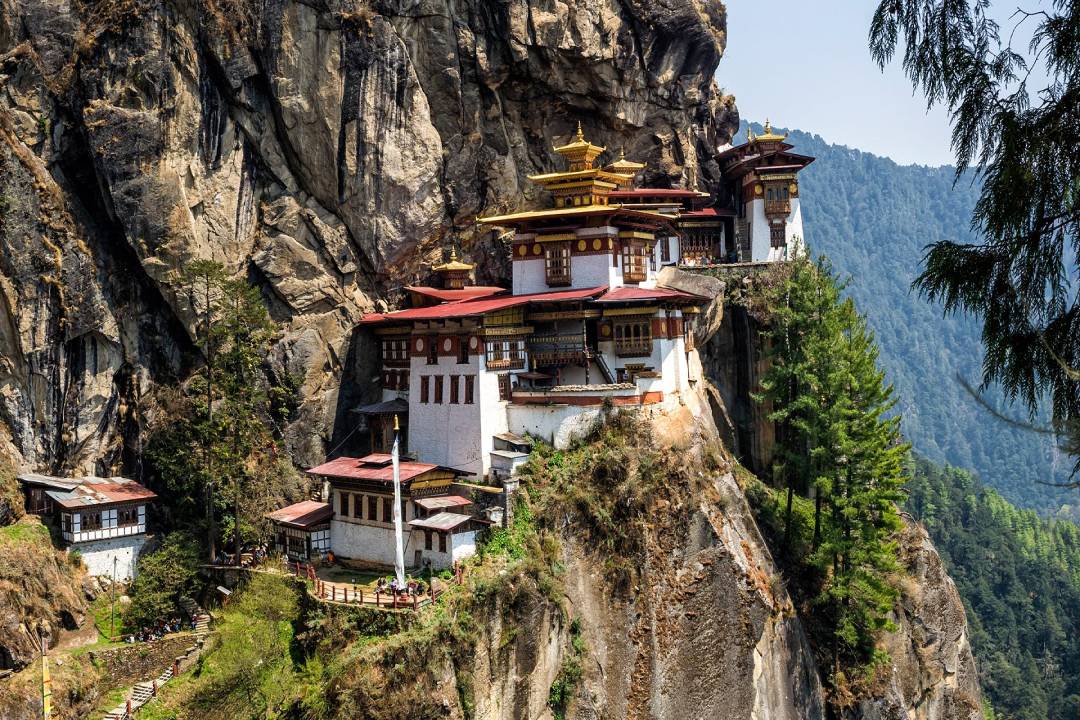
Bhutan’s natural beauty feels almost sacred. Towering mountain peaks, lush valleys, and ancient forests create a backdrop that invites reflection and tranquility. The famous Tiger’s Nest Monastery, perched dramatically on a cliffside, is not just an architectural wonder but a symbol of courage and spiritual devotion. Hiking to this iconic site becomes more than a physical journey; it’s a metaphorical pilgrimage into one’s inner calm.
The Rhythm of Festivals and Cultural Expression
Bhutan’s festivals, known as tshechus, are vibrant celebrations filled with masked dances, traditional music, and colorful ceremonial attire. While they are joyous occasions, they also have deep cultural and spiritual significance. Locals and travelers alike gather to witness sacred masked rituals that tell ancient stories of compassion and wisdom. These festivals build a strong sense of community and remind everyone of the spiritual heritage that binds the nation together.
Monasteries and Meditation: Finding Inner Stillness
Bhutan’s spiritual serenity is most palpable in its monasteries and meditation retreats. Visitors often speak of the profound silence and reflective atmosphere that seems to permeate temple corridors. Whether it’s sitting quietly in prayer halls or participating in guided meditation, Bhutan offers spaces where one can detach from daily noise and reconnect with deeper values. These experiences often leave travelers with a lasting sense of peace.
Bhutanese Cuisine Nourishing Body and Soul
Food in Bhutan is simple, hearty, and deeply connected to local culture. Dishes like ema datshi (chili and cheese stew) may surprise the palate with their bold flavors, yet they tell a story of local ingredients, climatic adaptation, and communal dining traditions. Eating in Bhutan isn’t just about nourishment, it’s about hospitality, warmth, and shared moments with locals who often treat guests like family.
A Commitment to Environmental Preservation
Bhutan’s commitment to nature extends beyond appreciation, it is enshrined in law. The country maintains a constitutional mandate that at least 60% of its land remains forested. Today, Bhutan proudly keeps over 70% of its terrain covered in forests, making it one of the few carbon‑negative countries in the world. This deep respect for the environment reinforces the connection between human happiness and ecological harmony.
Hospitality and Human Connection
What truly sets Bhutan apart is not just its landscapes or policies, but its people. Bhutanese are known for their warm hospitality, genuine kindness, and willingness to share their culture. Conversations with local artisans, monks, or farmers often reveal insights into a worldview where inward peace, gratitude, and resilience are everyday practices. These human connections enrich the travel experience far beyond sight‑seeing.
Reflections from a Journey Within
Travelers often describe their time in Bhutan not as a vacation, but as an inner journey. They leave with more than photographs, they return with memories of peaceful mornings in monastery courtyards, laughter shared with villagers, and a heightened awareness of simplicity and gratitude. Bhutan invites each visitor to walk gently not only through its landscapes but through life itself.