Spain Could Become the World’s Most Visited Country by 2040
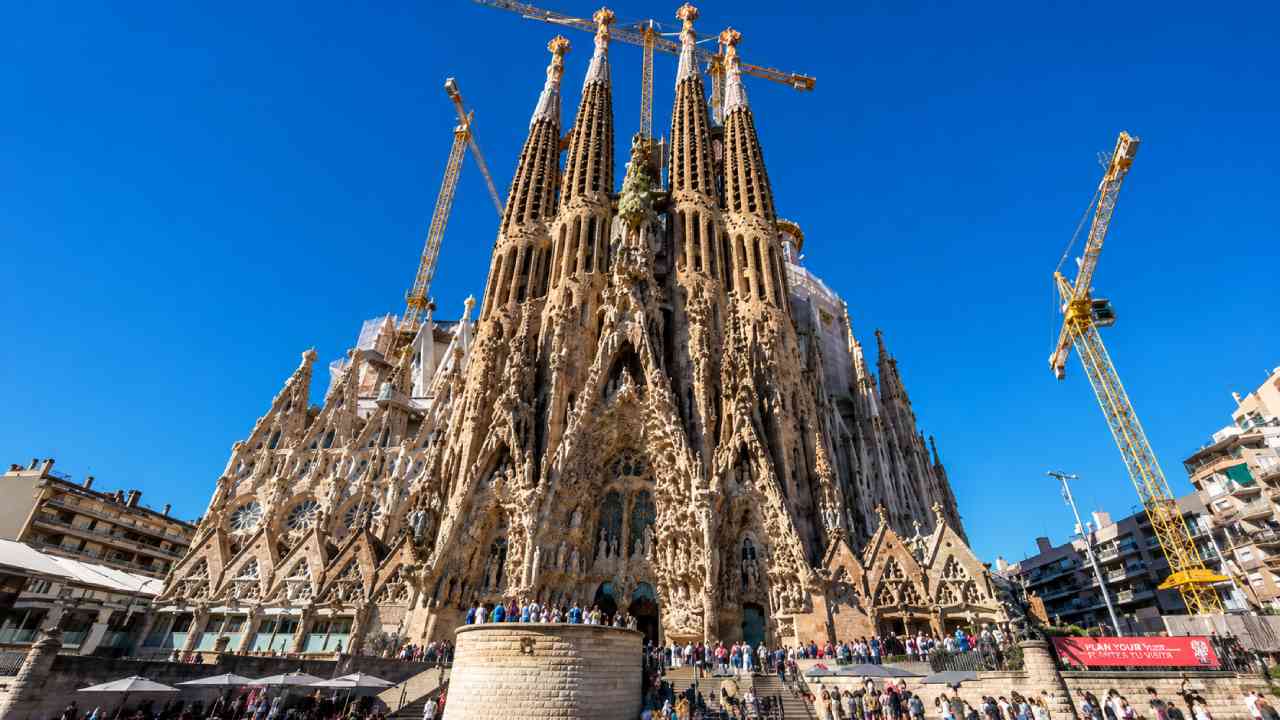
Trans to Find – For decades, France has represented the classic European escape. Paris offers cafés, museums, fashion, and instantly recognizable landmarks, while the Loire Valley brings historic castles and the Mediterranean coast delivers a completely different rhythm. Yet the future of European travel may not follow the familiar pattern. Spain could eventually become the world’s most visited country, according to long-term tourism projections highlighted in research involving Deloitte and Google. The prediction points toward 2040, so plenty can change before then. Still, it reveals something interesting about how travelers are redefining the ideal holiday. Increasingly, people want more than famous landmarks. They also look for food, beaches, walkable neighborhoods, cultural experiences, nightlife, and slower days that feel connected to local life. Spain happens to combine many of those qualities within one destination, giving it a strong position as global travel preferences continue to evolve.
Why France Has Remained a Global Travel Favorite
France’s enduring popularity is easy to understand. Paris alone can fill an entire itinerary with architecture, galleries, restaurants, shopping streets, and cultural landmarks. Beyond the capital, however, the country becomes remarkably diverse. Travelers can explore vineyards, medieval towns, Alpine landscapes, Atlantic beaches, and glamorous Mediterranean destinations. That variety has helped France attract visitors with very different travel styles. Accessibility also strengthens its position. Rail connections make movement between major European cities relatively simple, while future transport projects could make international journeys even easier. Trenitalia, for example, has discussed plans for a direct London-Paris service that could compete with Eurostar from 2029. Better transportation usually creates more possibilities for short breaks and multi-city holidays. Nevertheless, staying at the top of global tourism requires more than connectivity. Traveler expectations are changing, and destinations must increasingly balance popularity with authenticity, affordability, sustainability, and quality of life.
Spain Fits the Way People Increasingly Want to Travel
Spain’s potential rise feels particularly interesting from a lifestyle perspective. The country offers experiences that work beyond traditional sightseeing. Visitors can spend mornings wandering neighborhood markets, enjoy long lunches, explore galleries in the afternoon, and finish the evening at a small tapas bar. Meanwhile, coastal destinations provide an entirely different pace. This flexibility allows travelers to build trips around personal interests rather than a checklist of famous attractions. Barcelona brings architecture and Mediterranean energy. Madrid combines museums with lively neighborhoods. Seville offers Andalusian character, while destinations such as Valencia, Málaga, Mallorca, and the Canary Islands expand the possibilities further. In addition, smaller cities and rural areas are becoming increasingly appealing to travelers searching for quieter experiences. Spain does not offer one single version of a holiday. Instead, it provides several lifestyles within the same country. That versatility could become increasingly valuable as travelers seek trips that feel personal rather than predictable.
Read Also: Nazi Shipwrecks Emerge From the Danube as Extreme Drought Exposes Wartime History
Food Culture Gives Spain a Powerful Lifestyle Advantage
Travel and food have become increasingly difficult to separate. For many people, choosing a destination now begins with restaurants, markets, cafés, and local specialties. Spain performs particularly well in this area because its food culture changes noticeably from region to region. A trip through Andalusia does not taste the same as one through Galicia, Catalonia, or the Basque Country. Tapas culture also encourages a social style of eating that naturally becomes part of the travel experience. Instead of treating dinner as a simple break between attractions, visitors can make food one of the central activities of the day. Markets provide another accessible way to understand local ingredients and routines. Meanwhile, internationally recognized restaurants attract travelers interested in contemporary gastronomy. This combination of everyday food and ambitious dining gives Spain broad appeal. More importantly, it turns ordinary moments—coffee, lunch, an evening drink—into memorable parts of the journey.
The Mediterranean Lifestyle Has Become Part of the Attraction
Sunshine certainly helps Spain’s tourism appeal, but climate alone does not explain its popularity. The Mediterranean lifestyle itself has become part of the destination. Outdoor terraces, evening walks, beaches, public squares, and late dinners create a rhythm that many visitors find refreshing. Instead of rushing between attractions, travelers can spend time simply experiencing a neighborhood. This approach fits naturally with the growing interest in slow travel. Longer stays also allow visitors to explore beyond the biggest landmarks and develop a better sense of everyday life. Valencia provides a good example. The city combines beaches, historic streets, contemporary architecture, parks, and a strong food identity without requiring visitors to constantly move between distant attractions. Similar experiences exist throughout Spain. Consequently, the country can appeal both to travelers who want energetic city breaks and those looking for relaxed coastal escapes. That balance may become increasingly important in the next generation of tourism.
Travelers Are Looking Beyond Barcelona and Madrid
Spain’s tourism story is no longer limited to its two most internationally famous cities. Social media, improved transportation, and changing travel habits have encouraged visitors to consider destinations that once received less global attention. Seville and Granada remain major cultural draws, while Málaga has developed a stronger identity around museums, restaurants, and urban lifestyle. San Sebastián continues to attract food-focused travelers. Northern regions offer green landscapes and cooler weather, creating an alternative to the traditional image of Spanish summer tourism. Meanwhile, islands and smaller coastal communities provide another layer of variety. This geographic diversity could help distribute visitors more widely if tourism strategies manage growth carefully. It also gives repeat travelers reasons to return. Someone who has already experienced Barcelona can discover Bilbao, Cádiz, Asturias, or the Balearic Islands on another trip. In lifestyle travel, that ability to offer different experiences across multiple visits is an enormous advantage.
Becoming Number One Would Also Create New Challenges
More visitors do not automatically create a better destination. Spain already faces debates about overtourism, housing pressure, crowded neighborhoods, and the impact of short-term accommodation in popular areas. Therefore, becoming the world’s most visited country would bring significant responsibilities. Tourism supports jobs and local businesses, yet unmanaged growth can also make everyday life harder for residents. This tension has become increasingly visible in major European destinations. The challenge for Spain will be finding a model that allows tourism to grow without turning neighborhoods into spaces designed primarily for visitors. Encouraging travel outside peak periods could help. Promoting lesser-known regions may also reduce pressure on famous hotspots. In addition, responsible accommodation policies and stronger local planning can influence how tourism affects communities. From a lifestyle perspective, this balance matters greatly. Travelers increasingly value places that still feel lived-in and authentic. Protecting that character may ultimately become part of Spain’s competitive advantage.
France and Spain Offer Two Different Visions of European Travel
Comparing France and Spain purely through visitor numbers misses much of what makes both countries appealing. France offers an extraordinary combination of cultural heritage, cuisine, fashion, landscapes, and historic architecture. Spain, meanwhile, combines cultural depth with a lifestyle that often feels informal, social, and strongly connected to outdoor living. Neither experience is inherently better. However, changing travel preferences could favor Spain in the coming years. Younger travelers often prioritize experiences, food culture, neighborhoods, beaches, and social atmosphere alongside major attractions. They may also spread one journey across several cities rather than remain in a single iconic destination. Spain fits that pattern particularly well. France, of course, continues to evolve too, and future transport improvements could reinforce its appeal. Therefore, the predicted shift should not be viewed as France losing its magic. Instead, it illustrates how global tourism tastes can change even when established destinations remain highly desirable.
The Future of Travel Is Becoming More Experience-Driven
The possibility of Spain overtaking France by 2040 tells a larger story about modern tourism. Travelers increasingly want destinations that allow them to participate in everyday culture rather than simply observe famous landmarks. A memorable trip might include learning a regional recipe, spending an afternoon at a local market, cycling through a neighborhood, or discovering a small beach away from major attractions. These experiences often become as important as museums and monuments. Technology has also made lesser-known places easier to discover, while flexible working patterns have encouraged some travelers to stay longer. As a result, destinations with diverse lifestyles can appeal to a broader range of visitors. Spain appears particularly well positioned within this shift. Yet long-term forecasts remain predictions rather than guarantees. Economic conditions, climate change, transportation, regulation, and traveler behavior could all reshape tourism before 2040. What seems increasingly clear, however, is that the future traveler may choose a destination based as much on how it feels to live there temporarily as on what there is to photograph.
Spain’s Biggest Attraction May Be the Feeling of Everyday Life
Perhaps Spain’s strongest advantage cannot be measured through landmark counts. The country often turns simple daily experiences into memorable travel moments. Breakfast at a neighborhood café, an evening walk through a plaza, fresh food at a market, or several hours beside the Mediterranean can become the highlight of a trip. This is where tourism and lifestyle increasingly overlap. Travelers do not always want every hour filled with attractions. Sometimes they want enough space to experience the rhythm of another place. Spain offers that possibility alongside world-class architecture, art, beaches, food, and history. If the country eventually becomes the world’s most visited destination, its success may come from this combination rather than any single attraction. The race between France and Spain is interesting, but the deeper shift matters more. Modern travel is becoming less about collecting destinations and more about finding places where everyday moments feel worth remembering.