Eternal Beauty of the Acropolis of Athens A Symbol of Ancient Greek Civilization
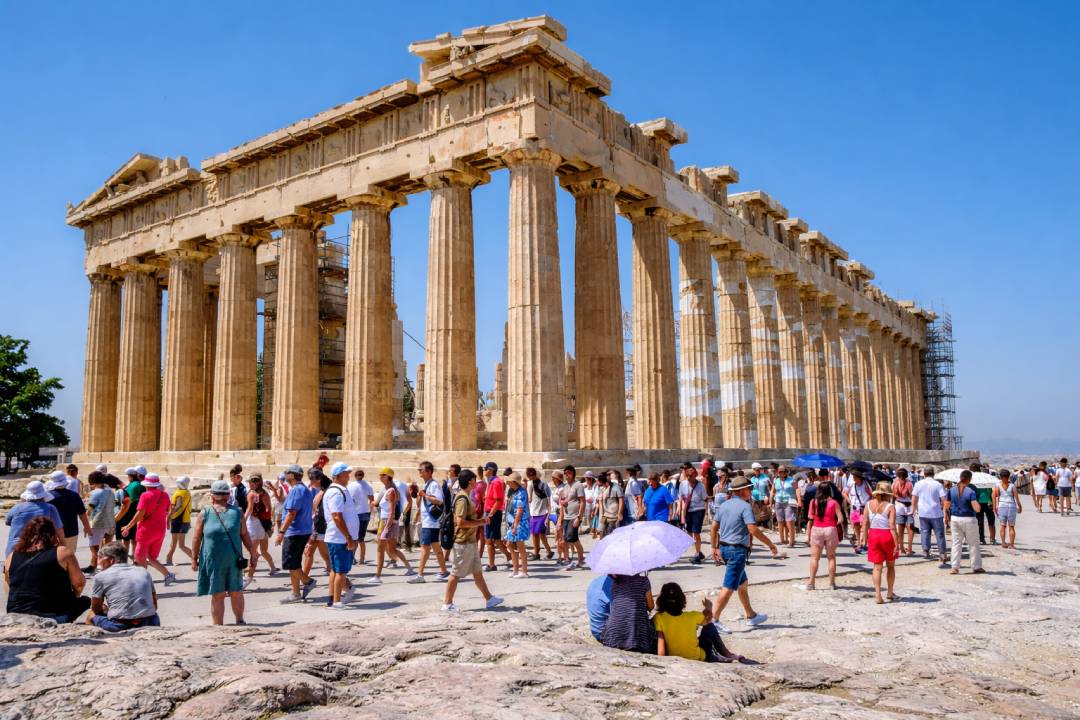
Trans to Find – Eternal Beauty of the Acropolis of Athens is an iconic symbol of Ancient Greek civilization. Located on a hill overlooking Athens, the Acropolis reflects the glory and achievements of one of the most influential cultures in history. This architectural wonder continues to captivate people worldwide, showcasing the Greeks’ genius in art, philosophy, and architecture. The site’s timeless beauty tells the story of a civilization that set the foundations for much of the Western world. Its influence on culture, politics, and knowledge is still felt today. It is more than just a monument—it’s a lasting legacy of an ancient world. Visitors flock to the Acropolis, eager to experience its grandeur. Its breathtaking presence serves as a constant reminder of Greece’s rich history.
Architectural Wonders of the Acropolis
Parthenon, the most famous structure on the Acropolis, is an architectural masterpiece. Built in the 5th century BCE, this temple dedicated to Athena is known for its exceptional design and proportions. The Parthenon’s Doric columns and symmetrical layout set a high standard for architectural beauty. The structure’s elegance is amplified by the careful design of every detail. Its construction was a feat of engineering, as it stood as a symbol of Athens’ power and sophistication. The Parthenon embodies the Greek ideals of harmony and perfection. It was not only a religious site but also a statement of Athens’ democratic ideals. As the heart of the Acropolis, it remains a symbol of the city’s enduring influence.
Parthenon: A Monument to Greek Ideals
The Parthenon is more than just a temple; it represents the philosophical and political ideals of ancient Greece. Built to honor Athena, it stood as a beacon of the Athenians’ dedication to wisdom and fairness. The temple’s design, featuring a harmonious balance, mirrored the Greeks’ belief in rationality and order. The Parthenon embodied their pursuit of beauty, with each architectural element reflecting a respect for proportion and symmetry. It also symbolized the unity of Athens, a city-state that thrived on democracy and civic participation. The Parthenon’s influence extended beyond architecture, shaping ideals in government and philosophy. Its legacy is still seen in modern Western thought and democratic principles. As a lasting symbol, the Parthenon continues to inspire those who value knowledge, equality, and the pursuit of beauty.
Read Also: Trump and Iran Clash Over Strait of Hormuz as Tensions Escalate Toward Deadline
Other Key Monuments on the Acropolis
Besides the Parthenon, the Acropolis features several other significant monuments. The Erechtheion, a temple dedicated to both Athena and Poseidon, stands as an architectural marvel with its unique asymmetrical design. One of its most famous features is the Porch of the Caryatids, where columns take the form of women. This design challenged traditional Greek temple architecture, highlighting the artistic creativity of the period. The Temple of Athena Nike, though smaller, is another important structure. It celebrates the goddess of victory and stands as a testament to the Athenians’ respect for their military achievements. Each of these monuments tells a story of Athens’ religious devotion, artistic expression, and political power. Together, they create a rich tapestry that reflects the diversity and innovation of Greek culture.
Historical Significance of the Acropolis
The Eternal Beauty of the Acropolis of Athens is rooted in its historical significance. Over centuries, the site has witnessed the rise and fall of empires, from the glory of ancient Athens to the Roman and Ottoman occupations. Despite these challenges, the Acropolis endured, symbolizing the resilience of Greek culture. It was at the Acropolis that key events in Greek history unfolded, from the celebrations of victory in war to the birth of democracy. The site’s historical layers provide insights into the social, political, and religious life of ancient Greece. Its significance extends beyond architecture, offering a window into the world that shaped modern Western civilization. The Acropolis stands as a powerful symbol of the cultural and intellectual achievements of the Greeks. It reminds us that history, even when turbulent, has the power to endure through the ages.
The Influence of the Acropolis on Western Civilization
The Acropolis has had a profound influence on Western civilization. Its architectural and philosophical contributions laid the foundation for many aspects of modern culture. Greek philosophers like Socrates, Plato, and Aristotle shaped Western thought, drawing inspiration from the ideals reflected in the Acropolis. The development of democracy in Athens also had a lasting impact on political systems across the globe. Moreover, Greek art and architecture continue to influence contemporary design, with elements like columns and symmetry still used today. The study of ancient Greek texts, philosophy, and art has enriched the intellectual traditions of the Western world. The Acropolis serves as a testament to these contributions, encapsulating the essence of Greek intellectual and artistic pursuits. Its influence remains deeply embedded in modern thought and culture.
Acropolis Today: A Global Icon
In the present day, the Eternal Beauty of the Acropolis of Athens is recognized as a global icon. It is one of the most visited archaeological sites in the world, attracting millions of tourists annually. As a UNESCO World Heritage Site, the Acropolis is protected for its cultural and historical significance. Its preservation ensures that future generations will continue to appreciate its beauty and learn from its history. The Acropolis also serves as a symbol of cultural continuity, connecting the past with the present. Through ongoing restoration efforts, we are able to glimpse the splendor of the original structures while safeguarding their integrity for future study and admiration. The Acropolis represents the enduring legacy of ancient Greece, inspiring individuals from all over the world. It serves as a powerful reminder of humanity’s shared heritage and the importance of preserving cultural treasures.
Preserving the Acropolis for Future Generations
Preserving the Eternal Beauty of the Acropolis of Athens is essential for maintaining a connection to our shared cultural heritage. Modern conservation efforts involve careful restoration of the monuments to prevent further decay while maintaining their historical accuracy. These efforts use advanced technology, such as laser scanning and 3D modeling, to ensure that the Acropolis is preserved for future generations. Additionally, the ongoing work focuses on preventing damage from environmental factors, such as pollution and weathering. The goal is to strike a balance between preservation and accessibility, allowing visitors to experience the site while protecting its integrity. By preserving the Acropolis, we ensure that this extraordinary symbol of Ancient Greek civilization continues to inspire and educate. The site serves as both a monument to the past and a living testament to the importance of cultural conservation.