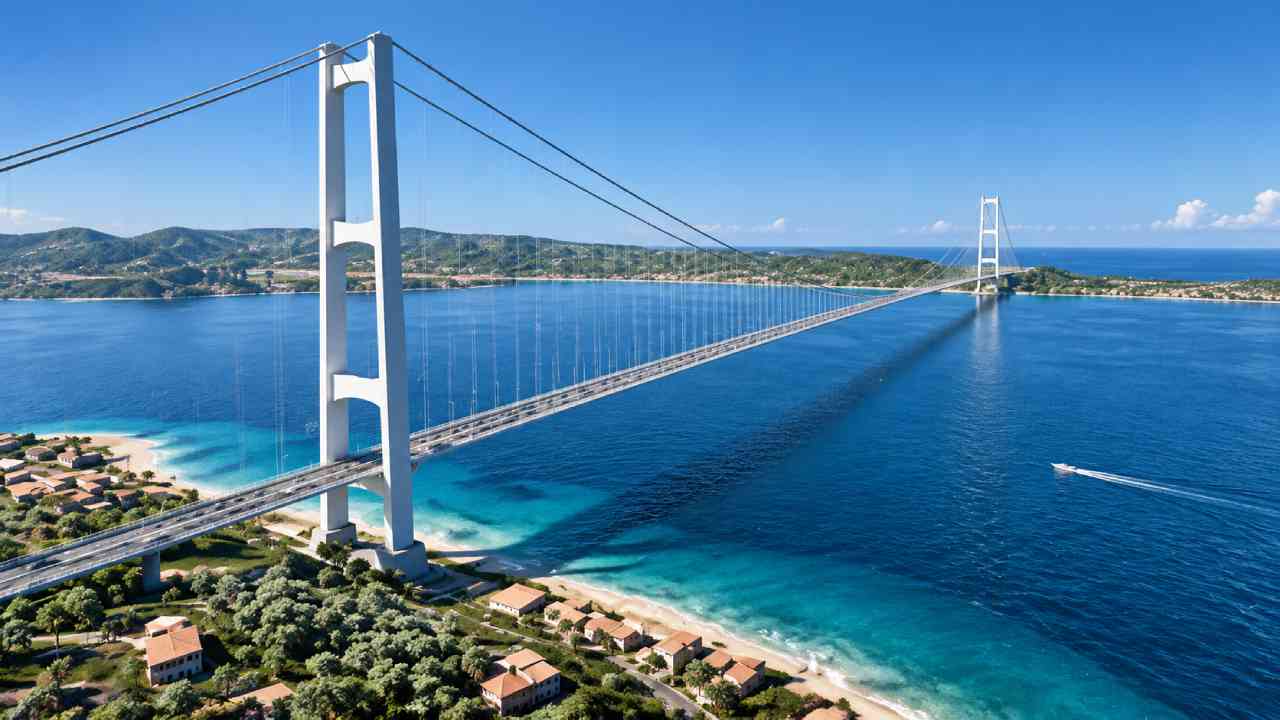
From Quiet Perlis to Langkawi: Chasing Islands and Golden Sunsets
Trans to Find – Some journeys become memorable because they never stay the same for long. Traveling from Perlis to Langkawi is exactly that kind of experience. One moment, the road passes through quiet northern landscapes and small-town streets. A few hours later, the scenery opens into the blue waters of the Andaman Sea. This route reveals a softer side of Malaysia, far from the constant energy of its larger cities. Perlis offers local flavors, murals, and an unhurried atmosphere. Then Kuala Perlis becomes the gateway to an entirely different setting. Beyond the coast, Langkawi waits with forest-covered islands, dramatic rock formations, soaring eagles, and warm tropical light. By late afternoon, the journey reaches its most cinematic moment as the sun slowly disappears over the sea. It feels less like moving between destinations and more like watching Malaysia change its personality throughout the day.
Discovering the Slower Rhythm of Perlis
Perlis may be Malaysia’s smallest state, yet its quiet character makes it surprisingly refreshing. The landscape feels increasingly relaxed as urban scenery gives way to open roads and greener surroundings. Kangar, the state capital, does not overwhelm visitors with towering buildings or crowded attractions. Instead, it encourages a slower pace. That simplicity becomes part of the experience. Travelers can wander without feeling pressured to rush between landmarks. Even the street art reflects this understated personality. The murals around Kangar feel modest compared with the famous walls of George Town, but that difference gives them charm. Perlis does not need to imitate a larger destination. Its appeal comes from feeling grounded and distinctly local. For travelers who enjoy discovering places between major tourist stops, this northern corner of Malaysia offers a welcome pause before the island adventure begins.
Local Flavors Add Character to the Journey
Food often tells the story of a destination before any guidebook can. In Perlis, the state’s proximity to Thailand adds another layer to its culinary identity. Local meals can bring together bold sambal, fresh vegetables, and simple ingredients prepared with plenty of character. Crispy fried catfish is one satisfying example. Served with fresh greens and bright red or green sambal, the dish feels straightforward but deeply comforting. More importantly, eating local food creates a natural break in a long travel day. It allows visitors to sit down, observe their surroundings, and experience the destination beyond its scenery. This is one reason road trips often feel more personal than flying directly to an island resort. Small restaurants and unexpected stops become part of the memory. By the time the journey continues toward the coast, Perlis has already left an impression through flavor rather than spectacle.
Read Also: DLSS 5 Struggles on Apple M5 Pro as Hardware Limits Become Clear
Kuala Perlis Marks the Moment Everything Changes
The road eventually leads toward Kuala Perlis, where the atmosphere shifts again. This coastal town serves as an important departure point for travelers heading to Langkawi. Yet the transition itself feels just as interesting as the destination. After hours on land, the sight of the waterfront signals that the road trip is about to become a sea journey. Ferries connect Kuala Perlis with Langkawi, making the route appealing for travelers who want to experience northern Malaysia before reaching the islands. There is something satisfying about approaching Langkawi this way. Instead of arriving suddenly through an airport terminal, travelers watch the mainland fade behind them. The horizon grows wider, the breeze becomes stronger, and the journey takes on a more adventurous mood. Sometimes, how we arrive shapes how strongly we remember a place.
Seeing Langkawi From the Water Changes Everything
Langkawi feels different when viewed from the sea. From a catamaran, the island appears as part of a much larger natural landscape rather than simply a beach destination. Forest-covered slopes rise above the water, while smaller islands create layers along the horizon. Rock formations add drama to the scenery, especially when afternoon light begins to soften their edges. This geological character gives Langkawi another dimension. The archipelago is internationally recognized through its UNESCO Global Geopark status, which highlights landscapes of significant geological heritage. For travelers, however, the science becomes easier to appreciate when surrounded by the scenery itself. The rocks, forests, and sea do not feel like separate attractions. Together, they create the visual identity of Langkawi. From the deck of a boat, that connection becomes especially clear.
Eagles Bring Langkawi’s Wild Side Into View
The landscape becomes even more captivating when birds of prey appear overhead. Brahminy kites are among the most recognizable sights around Langkawi, with their pale heads and reddish-brown bodies standing out against the tropical sky. Watching them glide above coastal waters creates a quiet sense of connection with the island’s natural environment. These moments also remind travelers that Langkawi offers more than beaches, hotels, and water activities. Mangroves, coastal habitats, forests, and wildlife all contribute to its character. The best encounters often happen without much planning. A bird circling above the water or disappearing behind a green island can become as memorable as a famous viewpoint. In an age when travel often revolves around carefully staged photos, spontaneous encounters with nature can feel refreshingly real.
A Catamaran Afternoon Adds a Playful Side
A cruise around Langkawi does not have to be entirely about sitting quietly and admiring the scenery. The experience can shift between relaxation and playful adventure. Some catamaran trips include areas where passengers can swim or relax close to the water. Additional activities may include banana boats or other water-based experiences. However, doing nothing can feel equally rewarding. Sitting on deck with the sea stretching around you creates a rare kind of calm. The breeze cools the tropical afternoon, conversations slow down, and phones gradually become less important. This balance makes sailing especially appealing. Travelers can choose excitement when they want it, then return to the quiet rhythm of the sea. For couples, friends, or families, that flexibility can turn a simple boat trip into one of the most enjoyable parts of a Langkawi stay.
Dinner Feels Different When the Sea Is Your View
Food takes on another personality when served on the water. As afternoon begins to fade, a casual meal of seafood and chicken can feel surprisingly special with islands scattered across the horizon. The setting does much of the work. Salt air, moving water, and warm light transform an ordinary dinner into a travel memory. This is also when the energy of the day starts to soften. Earlier excitement gives way to longer conversations and slower movements. Nobody seems eager to rush. Instead, attention gradually shifts toward the western horizon. The sun is beginning its descent, and the landscape starts changing color. Golden light touches the water, shadows deepen around the islands, and even familiar scenery looks new. It is the kind of transition that makes travelers instinctively reach for a camera, although sometimes the better choice is simply to watch.
Chasing the Langkawi Sunset
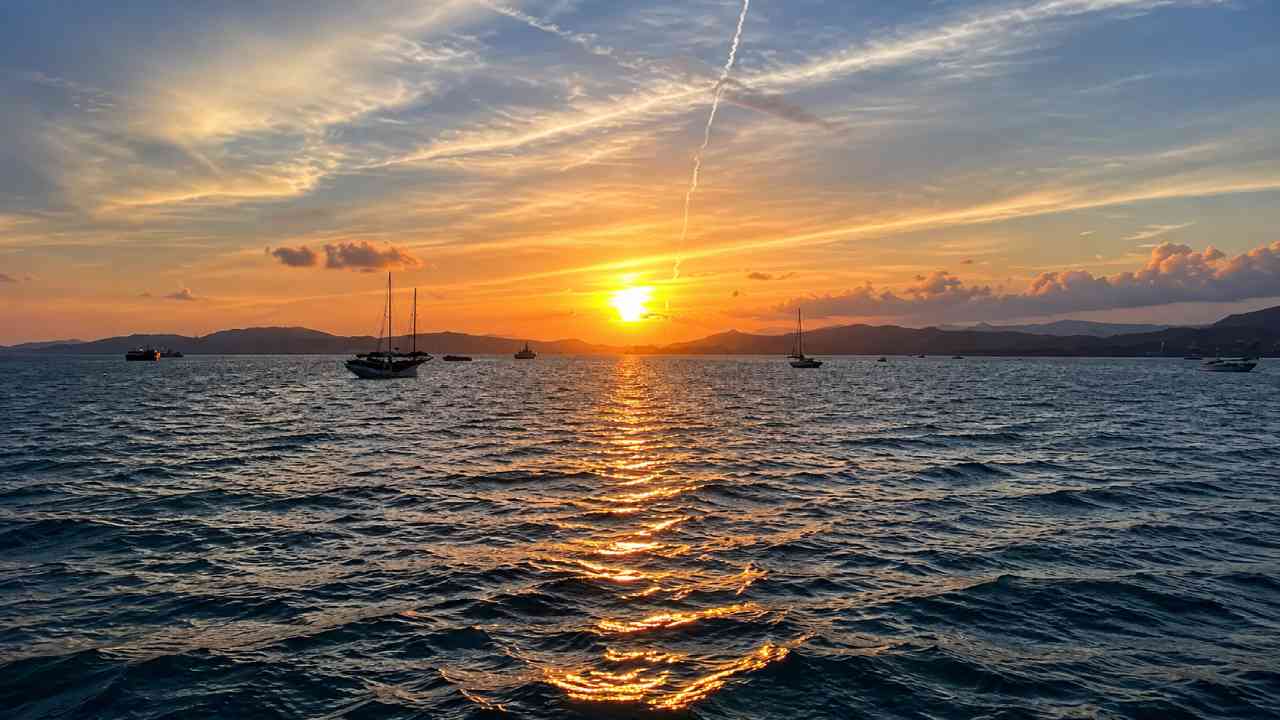
Then comes the moment the entire afternoon seems to have been waiting for. The Langkawi sunset arrives slowly, without needing any dramatic introduction. Blue skies begin to warm into gold and orange while the sun moves closer to the horizon. On a clear evening, the sea reflects the changing colors and turns the surrounding islands into dark silhouettes. There is very little to do except watch. That simplicity makes the experience powerful. A sunset cruise can easily sound like a familiar tropical travel cliché. Yet standing on the water as daylight disappears feels different from seeing the same moment from a hotel window. The open horizon creates a sense of space that is difficult to reproduce on land. For a few minutes, the boat, islands, and fading sunlight seem to belong to the same picture.
Pantai Cenang Shows Another Personality After Dark
Returning to land reveals another side of Langkawi. Around Pantai Cenang, the quiet atmosphere of the open sea gives way to restaurants, shops, hotels, and evening activity. Travelers stroll along the area while cafés and dining spots continue well after sunset. This contrast is one of Langkawi’s strengths. A visitor can spend the afternoon surrounded by water and forested islands, then return to a livelier setting at night. The shift does not feel uncomfortable. Instead, it gives the island variety. Those who want a quiet evening can retreat to their accommodation, while travelers who still have energy can explore the busier streets. After a full day moving through Perlis and across the sea, however, even a comfortable room and a shower can feel like luxuries.
Why This Route Feels More Memorable Than a Direct Arrival
Flying directly into Langkawi may save time, but approaching the island through Perlis creates a different kind of travel story. The journey gains layers. There are quiet roads, local food, small-town murals, a coastal departure, open water, wildlife, and finally a tropical sunset. Each stage changes the mood without feeling disconnected from the last. That variety turns transportation into part of the holiday rather than something to endure between attractions. It also reveals how contrasting experiences can exist surprisingly close together in northern Malaysia. Perlis offers calm and simplicity. Kuala Perlis introduces the sea. Langkawi delivers nature, adventure, and island energy. By the end of the day, the sunset feels like more than another beautiful view. It becomes the final scene of a journey that has been changing character since morning.