UNESCO Names 14 New Biosphere Reserves Worth Visiting This Year
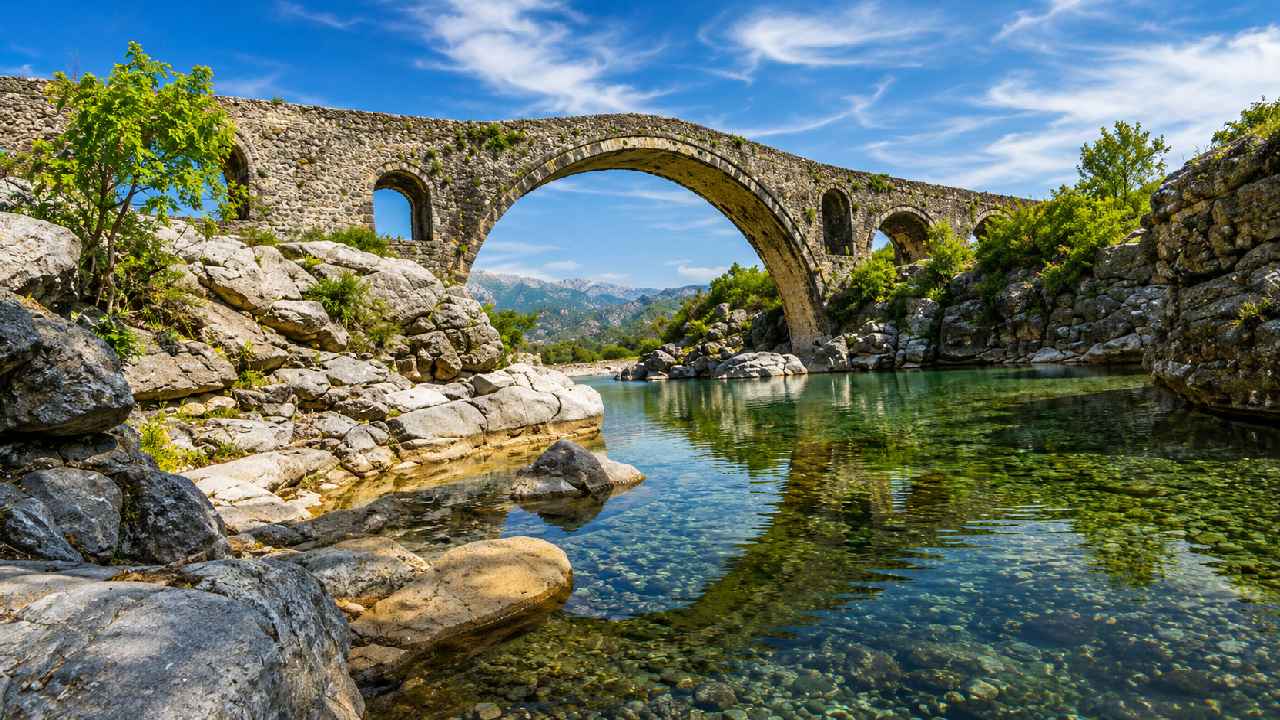
Trans to Find – Travel trends continue to evolve as more people seek meaningful experiences instead of crowded tourist attractions. Rather than focusing only on famous landmarks, many travelers now prefer destinations where nature, culture, and sustainability exist in harmony. That is exactly why UNESCO Names 14 New Biosphere reserves has attracted global attention. The latest additions showcase extraordinary landscapes while encouraging responsible tourism and environmental conservation. As a result, these protected areas are becoming some of the most inspiring destinations for travelers who want their adventures to leave a positive impact on local communities and ecosystems.
UNESCO Biosphere Reserves Offer More Than Beautiful Scenery
Unlike traditional tourist destinations, UNESCO Biosphere Reserves serve several important purposes at once. They protect biodiversity, support scientific research, and promote sustainable economic development for nearby communities. Consequently, visitors experience much more than stunning views. They also discover how people and nature can thrive together. In many cases, local residents actively participate in conservation projects while continuing traditional livelihoods. This balance between environmental protection and community well-being makes biosphere reserves unique among international conservation programs and increasingly attractive to environmentally conscious travelers.
Fourteen New Destinations Join a Prestigious Global Network
UNESCO recently expanded its worldwide biosphere network by recognizing 14 new Biosphere Reserves, bringing the total to 797 sites across 145 countries. Each destination represents an ecosystem with exceptional ecological value and long-term conservation potential. Moreover, these new additions reflect different climates, habitats, and cultures from several continents. Instead of highlighting only famous locations, UNESCO continues to recognize places that demonstrate successful cooperation between environmental protection and sustainable development. This approach helps encourage responsible tourism while preserving valuable ecosystems for future generations.
Read Also: Google’s New Android Backup Policy Could Fill Storage Faster
Several Asian Destinations Stand Out for Nature Lovers
Asia received notable recognition in this latest announcement. Vietnam’s Phong Nha–Ke Bang joined the network thanks to its spectacular limestone mountains, ancient cave systems, and tropical forests. Meanwhile, the Philippines celebrated the inclusion of Matibay na Bayan ng Sablayan, an area known for its mangrove forests, coral reefs, and rich marine biodiversity. Timor-Leste also earned international recognition through Nino Konis Santana, where pristine beaches meet protected forests and coastal ecosystems. These destinations demonstrate that Asia continues to play an important role in global conservation while offering unforgettable travel experiences.
Europe, Africa, and the Americas Expand the List
The newly recognized biosphere reserves extend far beyond Asia. Portugal’s Serra da Estrela introduces travelers to dramatic mountain scenery and traditional villages. Albania welcomes visitors to Lake Shkoder, while Azerbaijan adds the impressive Greater Caucasus landscape. In Africa, Theniet El Had in Algeria and Takamanda–Cross River Gorilla in Cameroon highlight diverse ecosystems and rare wildlife. Meanwhile, Canada, Paraguay, Iran, Mongolia, Montenegro, and Aruba also celebrate new additions. Together, these destinations showcase the incredible diversity of landscapes that UNESCO continues to protect through international cooperation.
Sustainable Tourism Becomes a Growing Travel Priority
Modern travelers increasingly consider how their vacations affect the environment. Therefore, destinations that prioritize conservation have become more appealing than ever before. Biosphere reserves encourage visitors to respect wildlife, support local businesses, and reduce unnecessary environmental impacts. Instead of promoting mass tourism, these protected areas focus on responsible experiences that benefit both visitors and host communities. In my opinion, this approach represents the future of travel. Exploring nature becomes even more rewarding when travelers know their visits contribute to conservation rather than environmental degradation.
Why Biosphere Reserves Matter Beyond Tourism
Although tourism attracts significant attention, biosphere reserves exist for much broader reasons. Scientists use these protected landscapes to study biodiversity, climate adaptation, ecosystem restoration, and sustainable land management. Educational institutions also benefit from ongoing research conducted within these regions. Furthermore, local communities gain opportunities to develop environmentally friendly businesses while preserving cultural traditions. This combination of science, education, and responsible development transforms biosphere reserves into living examples of sustainable coexistence between humans and nature. Consequently, their value extends far beyond recreation alone.
UNESCO Continues Supporting Global Conservation Goals
UNESCO introduced the Biosphere Reserve Programme in 1971, and it has grown steadily over the decades. Today, together with UNESCO World Heritage natural sites and Global Geoparks, the network helps protect more than 13 million square kilometers of terrestrial and marine ecosystems worldwide. Looking ahead, UNESCO also supports the international objective of conserving 30 percent of the world’s land and oceans by 2030. Every new biosphere reserve contributes to this long-term vision while encouraging governments, researchers, and local communities to collaborate on protecting natural resources for future generations.
These New Biosphere Reserves Deserve a Place on Your Bucket List
The fact that UNESCO Names 14 New Biosphere reserves is more than just an environmental announcement. It also introduces travelers to remarkable destinations where breathtaking landscapes meet meaningful conservation efforts. Whether you dream of exploring tropical forests, mountain ranges, crystal-clear coastlines, or wildlife-rich ecosystems, these newly recognized locations offer unforgettable experiences. More importantly, they remind us that responsible travel can create lasting benefits for both visitors and the natural world. As sustainable tourism continues gaining momentum, these biosphere reserves are likely to become some of the most inspiring places to visit in the years ahead.