Meaningful Travel, Exploring the World Beyond Popular Tourist Destinations
Trans to Find – Meaningful Travel is changing the way many people think about exploring the world. A memorable trip no longer needs to revolve around famous landmarks or packed itineraries. Instead, travelers can slow down and discover the character of a destination through nature, food, traditions, and everyday life. Rome offers more than ancient monuments. Bali extends far beyond its famous beaches. Meanwhile, Rajasthan and Siem Reap reveal stories through crafts, landscapes, and local customs. This approach turns travel into something more personal. Rather than rushing between attractions, visitors have time to observe, listen, taste, and connect. Moreover, slower exploration often creates memories that feel more genuine. A quiet walk through a village or a conversation with an artisan may become more memorable than another crowded viewpoint. Ultimately, meaningful journeys are not measured by how many places we visit. They are shaped by how deeply we experience them.
Meaningful Travel Changes the Way We See a Destination
Traditional vacations often come with a checklist. Visit the landmark, take a photograph, find the next attraction, and repeat. However, this rhythm can leave little time to understand where we actually are. Meaningful Travel takes a different approach. It encourages travelers to pay attention to the atmosphere between major attractions. A neighborhood café, morning market, riverside path, or family workshop can reveal details that guidebooks sometimes overlook. Moreover, these experiences allow a destination to unfold naturally. There is less pressure to collect photographs and more freedom to enjoy the moment. This does not mean famous attractions should be avoided. They often carry important historical and cultural value. Instead, travelers can balance them with experiences that feel quieter and more personal. In my view, this balance makes a journey richer. Famous landmarks introduce a place, while everyday experiences often reveal its personality.
Slow Travel Creates More Space for Unexpected Experiences
A packed itinerary may look impressive on paper. Yet moving constantly between attractions can make a vacation surprisingly exhausting. Slow travel offers another possibility. Rather than fitting six locations into one day, travelers might explore one neighborhood in greater depth. They can walk without rushing, stop for coffee, visit a small shop, or simply watch daily life unfold. Consequently, there is more room for spontaneous discoveries. A narrow street might lead to an independent bakery. A conversation with a shopkeeper could introduce a local dish. Meanwhile, an unplanned afternoon might become the highlight of the entire trip. Slow travel does not necessarily require a month-long vacation. Even a weekend can feel less rushed when the schedule includes empty space. Therefore, the idea is less about duration and more about rhythm. Traveling slowly gives a destination enough time to become an experience rather than merely another location on a list.
Read Also: Mount Merbabu Hiking Closure Extends Through September, Here’s Why
Rome Feels Different When You Step Away From the Checklist
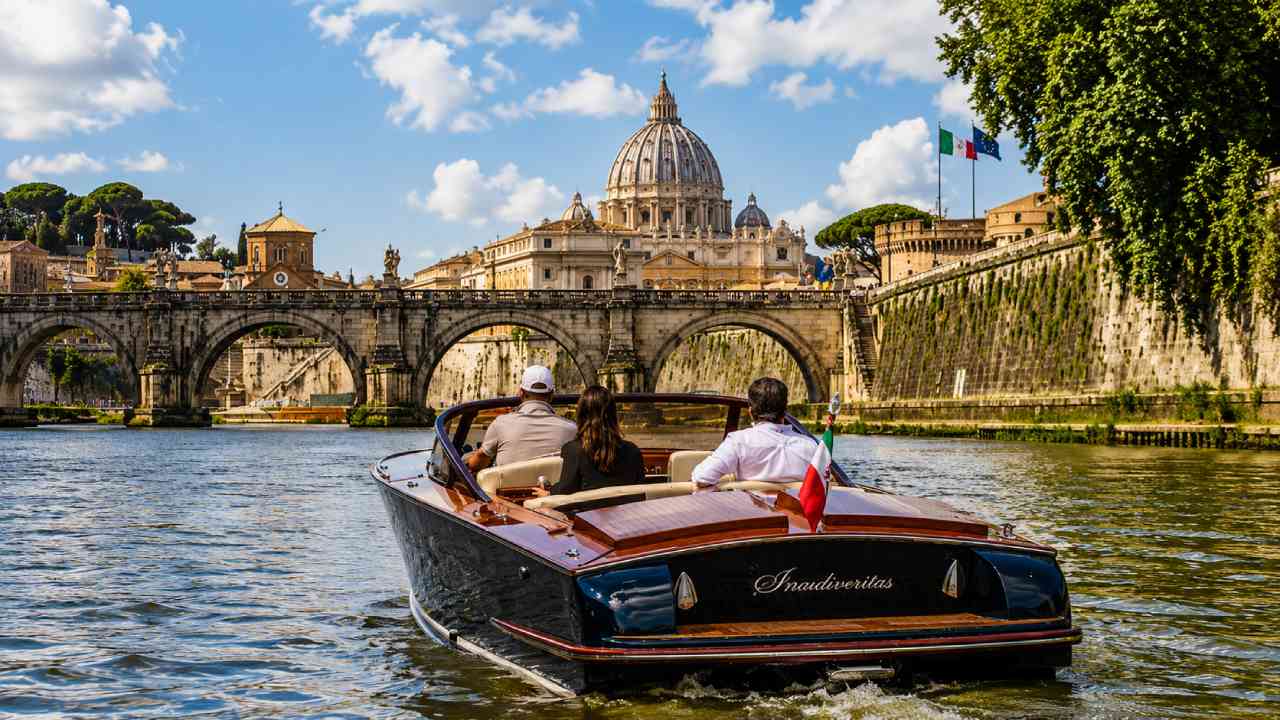
Rome immediately brings famous landmarks to mind. The Colosseum, Roman Forum, and historic piazzas naturally attract millions of curious visitors. However, the Italian capital can feel surprisingly different when explored at a slower pace. The Tiber River offers one way to change perspective. Instead of navigating busy streets, travelers can spend time near the water and observe bridges, historic buildings, and neighborhoods from another angle. Later, an evening aperitivo can create a natural pause before dinner. This simple ritual encourages people to sit, talk, and watch the city change as daylight fades. Moreover, walking between neighborhoods rather than rushing toward individual attractions can reveal small churches, courtyards, cafés, and residential streets. None may be as famous as Rome’s major monuments. Yet together, they create a fuller picture of the city. Rome’s history remains important, but its everyday rhythm gives that history a living context.
Budapest Reveals Another Personality Beyond Its Grand Architecture
Budapest impresses visitors with monumental architecture, historic thermal baths, and the Danube running through the city. Nevertheless, exploring beyond the central districts can reveal another side of Hungary. Rural communities offer opportunities to understand traditions that remain connected to everyday life. Tard, for example, has links to the distinctive Matyó folk-art tradition. Embroidery and craftsmanship provide a window into skills passed through generations. Instead of seeing traditional patterns only as souvenirs, travelers can learn about the people and techniques behind them. Food adds another layer. A bowl of gulyás can become more than something ordered from a menu when visitors understand its place within Hungarian culinary culture. Music, churches, homes, and conversations complete the experience. Consequently, Budapest can become a starting point rather than the entire story. Moving beyond the capital helps travelers see how urban elegance and rural traditions coexist within the same country.
Bali Becomes Quieter When the Journey Moves Inland
Bali often appears through images of beaches, sunsets, resorts, and lively coastal neighborhoods. Those experiences remain part of the island’s appeal. However, moving inland reveals landscapes with a completely different rhythm. Rice fields, villages, forests, temples, and agricultural communities create a quieter atmosphere. Around Taro, travelers can encounter environments where nature and local traditions remain closely connected. Alas Taro, for instance, adds a forest setting to the journey. The area’s white cattle also carry cultural significance for local communities. Elsewhere, nighttime experiences centered around fireflies can shift attention toward small details in the natural environment. These moments provide an interesting contrast to Bali’s busier tourism districts. More importantly, they show that the island cannot be understood through its coastline alone. Meaningful Travel works especially well here because slowing down allows visitors to notice relationships between landscape, spirituality, agriculture, and community life.
Rajasthan Tells Its Story Through the Hands of Artisans
Rajasthan is famous for palaces, forts, colorful cities, and desert landscapes. Yet some of its most interesting stories can emerge inside workshops and villages. Traditional crafts require knowledge that artisans often develop over many years. In places such as Manpura, travelers can encounter techniques connected with hand-knotted carpets, pottery, and lac bangles. Watching these objects take shape changes how we understand them. A finished carpet is no longer simply a decorative item. It represents time, precision, materials, and knowledge. Furthermore, meeting artisans can provide context that a museum display cannot always reproduce. Food can deepen the experience further. A home-style Rajasthani meal introduces flavors through a setting connected to everyday life. Of course, travelers should approach these encounters respectfully. Local communities are not attractions. However, thoughtfully arranged cultural experiences can create genuine opportunities to learn while supporting appreciation for skills that might otherwise remain invisible to visitors.
Siem Reap Offers Stories Beyond the Temples
Angkor Wat naturally dominates many journeys to Siem Reap. Its architecture deserves time and attention. Nevertheless, Cambodia’s cultural story extends far beyond monumental stone structures. The lotus provides an interesting example. Visitors may first notice lotus motifs within temple architecture. Later, they can encounter the plant in the landscapes surrounding Siem Reap. This creates a connection between symbolism, nature, and daily craftsmanship. Lotus stems can provide fibers that artisans carefully transform into thread. Observing this process reveals the amount of work hidden behind a delicate finished material. Meanwhile, food can introduce another dimension of Cambodian culture. Recipes, ingredients, and presentation often carry stories that architecture alone cannot tell. Therefore, exploring Siem Reap through several connected experiences creates a richer narrative. A traveler may begin with a famous temple but finish the day thinking about plants, craftsmanship, flavors, and the people who continue these traditions.
Local Food Can Explain a Place Without Many Words
Food is one of the easiest ways to connect travel with everyday culture. Ingredients reflect geography, while recipes often reveal history, trade, family traditions, and available resources. Therefore, eating local food can become more than a search for something delicious. It can provide context. Hungarian gulyás, home-style Rajasthani cooking, and Cambodian dishes each tell different stories about their surroundings. Moreover, eating in smaller establishments or family-oriented settings can create a different atmosphere from dining exclusively in international restaurants. Travelers may discover unfamiliar ingredients or preparation methods. They may also learn why certain foods appear during particular seasons or celebrations. However, meaningful culinary travel does not require chasing unusual dishes for social media. Curiosity matters more than novelty. Asking about ingredients, respecting local dining customs, and trying regional specialties can make a meal more memorable. Sometimes, the clearest memory of a destination begins with a simple table.
Nature Is More Than a Beautiful Background
Travel photography often treats nature as scenery. Mountains, rivers, forests, and fields become beautiful backgrounds for memorable pictures. However, landscapes also shape the communities that live around them. Rivers influence how cities develop. Climate affects architecture and agriculture. Forests provide resources while inspiring traditions and beliefs. Therefore, spending time in nature can help travelers understand a destination more deeply. The Tiber forms part of Rome’s long urban history. Bali’s inland landscapes reveal connections between agriculture, villages, and local customs. Lotus fields around Siem Reap link natural resources with craftsmanship. Once travelers begin noticing these relationships, nature becomes part of the cultural story rather than something separate from it. Moreover, outdoor experiences naturally encourage a slower rhythm. Walking through a forest or sitting beside a river rarely feels compatible with a frantic schedule. That slower pace can help people notice details that disappear when travel becomes a race.
Meeting Local People Can Make Travel Feel More Human
Buildings and landscapes create a destination’s visual identity, but people give it everyday life. Conversations with artisans, cooks, guides, farmers, and small-business owners can transform how visitors understand a place. These interactions do not need to become profound exchanges. Even a short conversation can provide useful context. Someone might explain how a craft developed, recommend a regional dish, or describe how a neighborhood has changed. However, respectful travel requires boundaries. Visitors should not treat residents as props for photographs or assume every private space exists for tourism. Asking permission and respecting local customs remain essential. Furthermore, supporting locally owned businesses can create a more direct connection between tourism spending and communities. The goal should not be to manufacture an “authentic” experience. Instead, travelers can remain curious while recognizing that they are temporary guests in someone else’s home. That mindset makes cultural encounters feel more respectful and natural.
A Flexible Itinerary Can Make a Vacation More Memorable
Planning remains useful, especially when transportation, reservations, or limited opening hours matter. Yet an itinerary does not need to control every hour. Leaving intentional gaps can create some of the most enjoyable moments of a trip. Perhaps the weather changes and a planned outdoor activity no longer works. Maybe a local recommends a neighborhood that was never on the original list. Without flexibility, those opportunities become inconveniences. With flexibility, they become part of the adventure. Therefore, a balanced itinerary can include a few priorities while leaving enough room for spontaneous decisions. One major activity in the morning may be enough. The afternoon can then develop naturally. This approach also reduces the feeling that missing one attraction means failing at the vacation. Travel should not become another productivity challenge. Sometimes, doing less allows people to remember more because each experience receives enough attention to make an impression.
Meaningful Travel Is Also About Knowing When to Stop
Modern travel culture can create pressure to document everything. A beautiful meal needs a photograph. A famous landmark needs several angles. Then, every new location becomes another opportunity to create content. Photography can certainly preserve memories. However, constantly preparing the next image can separate travelers from the experience happening in front of them. Meaningful Travel encourages a healthier balance. Take the photograph, but also put the phone away afterward. Watch the sunset without recording every minute. Eat while the food is still warm. Listen when someone tells a story. These choices sound simple, yet they can change how a trip feels. A memory does not always need digital proof to remain valuable. In fact, some of the strongest travel memories come from moments when nothing particularly dramatic happened. We simply had enough attention available to notice where we were.
Traveling Differently Can Change What We Bring Home
Souvenirs eventually sit on shelves, and photographs gradually disappear into digital galleries. However, meaningful experiences can influence how we remember a place long after returning home. A conversation may change our understanding of a culture. Watching an artisan work can increase our appreciation for handmade objects. Meanwhile, experiencing a slower daily rhythm may encourage us to reconsider our own routines. This is where travel becomes closely connected with lifestyle. The journey does not end when the suitcase is unpacked. Parts of the experience can influence how we cook, decorate our homes, spend our weekends, or approach unfamiliar people. Of course, not every vacation needs to become life-changing. Sometimes, people simply need rest and enjoyment. Yet remaining open to new perspectives gives travel another layer of value. We return with memories, but we may also return with a slightly different way of seeing ordinary life.
Meaningful Travel Makes the Journey More Personal
Ultimately, Meaningful Travel does not require abandoning famous destinations. There is nothing wrong with seeing the Colosseum, visiting Angkor Wat, or enjoying Bali’s beaches. The difference lies in what happens around those experiences. Travelers can explore the river after visiting a monument. They can enter the countryside after several days in a capital city. They can meet artisans, taste home-style cooking, walk through forests, or spend an afternoon without chasing another attraction. These choices create breathing room within a journey. More importantly, they allow destinations to become places rather than collections of landmarks. In a lifestyle increasingly shaped by speed and constant stimulation, slower travel can feel surprisingly refreshing. The world does not become more interesting because we visit more of it. Sometimes, it becomes more interesting because we finally give ourselves enough time to notice what has been there all along.