Japan’s Snow Monkey Park Limits Visitors to Protect Wildlife and Experience
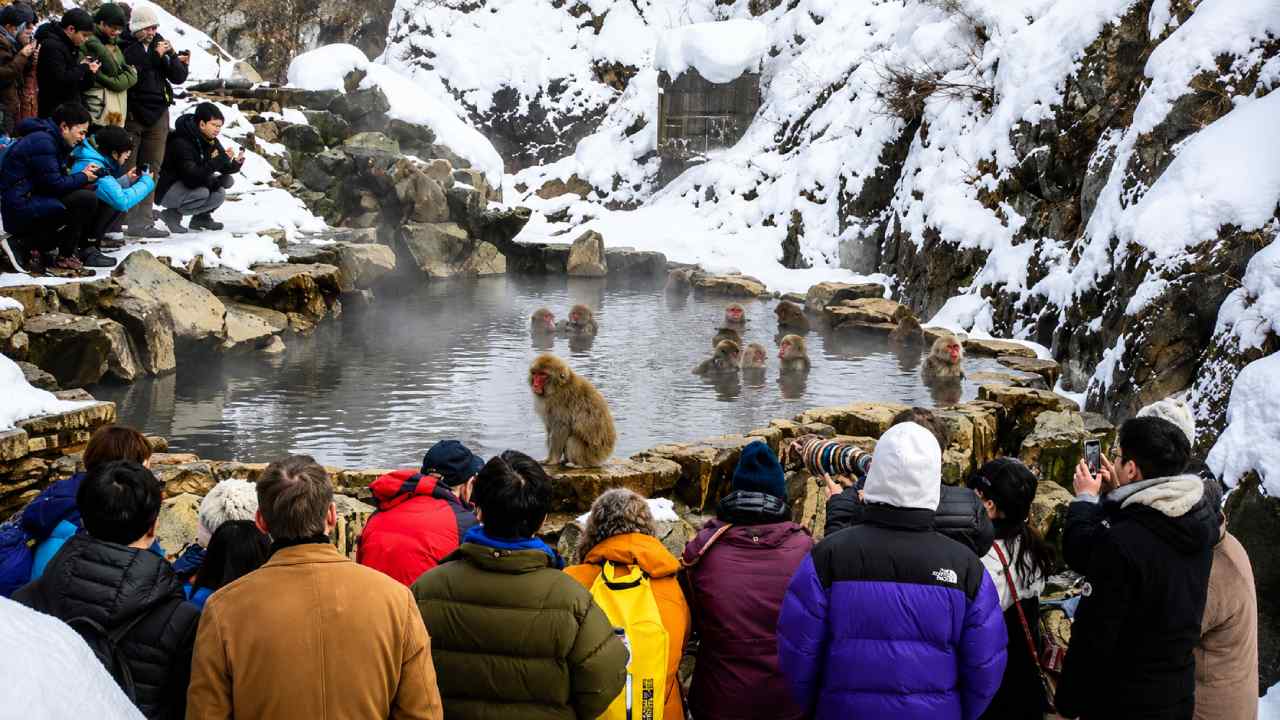
Trans to Find – For many travelers, Japan’s Snow Monkey experience feels almost magical. In the snowy mountains of Nagano, Japanese macaques soak quietly in natural hot springs while winter mist rises around them. This rare scene has made Jigokudani Yaen-Koen one of Japan’s most memorable wildlife destinations. However, growing tourist numbers have also created new challenges. To protect the animals and improve the visitor experience, the park plans to introduce an online booking system from August 2026, with a possible daily cap of around 2,000 visitors. The move reflects a wider shift toward more responsible and sustainable travel.
Why Japan’s Snow Monkey Park Became So Famous
Jigokudani Yaen-Koen sits in Yamanouchi, Nagano Prefecture, at around 850 meters above sea level. The park is best known for wild Japanese macaques, often called snow monkeys, that visit the area and bathe in hot spring water during colder months. This unusual behavior attracts photographers, nature lovers, and international tourists every winter. According to the park’s visitor guide, the monkeys use the hot spring baths most often from December to March, when the weather feels coldest. As a result, the destination has become closely linked with Japan’s winter travel identity.
Visitor Limits Aim to Improve the Travel Experience
The upcoming visitor cap does not mean the park wants to reduce its charm. Instead, the system aims to make each visit calmer, safer, and more organized. Long queues have created pressure around the ticket booth, especially during peak seasons. Therefore, the park plans to shift toward online booking from August 2026, with reports noting a possible limit of 2,000 people per day. This change should help visitors plan ahead while reducing crowding inside the park. It also encourages travelers to treat the destination as a protected wildlife area, not just another photo spot.
Read Also: China Advances Photonic Computing as the Next Leap Beyond Artificial Intelligence
Bad Tourist Behavior Creates Real Concerns
Overcrowding is only part of the problem. Park officials have also raised concerns about visitors who ignore basic wildlife rules. Some tourists have tried to feed, touch, or get too close to the monkeys. In more extreme cases, visitors reportedly tried to enter the hot spring area and bathe with the animals. These actions may look playful online, yet they can disturb wild macaques and create safety risks for humans. Because of that, visitor management now plays an important role in protecting both the animals and the people who come to see them.
Wildlife Tourism Requires Respectful Distance
A meaningful wildlife experience depends on patience and respect. Travelers often hope to capture beautiful photos, but they must remember that Japanese macaques are wild animals. They do not exist for entertainment, and they need space to behave naturally. Keeping a safe distance allows visitors to observe without causing stress. Moreover, respectful behavior creates better memories because the scene feels more authentic. Instead of chasing the perfect close-up, travelers can enjoy the quiet beauty of the landscape, the steam rising from the water, and the natural rhythm of the monkeys’ movements.
Social Media Has Changed the Way People Travel
Social media has helped introduce hidden destinations to global audiences. However, it has also changed how some people behave while traveling. At places like Jigokudani, viral photos can inspire thousands of visitors to seek the same image. Unfortunately, that pressure sometimes encourages people to cross boundaries. They may step into restricted areas, crowd narrow paths, or approach animals too closely for a dramatic shot. Therefore, responsible travel now requires more awareness than ever. A beautiful photo should never come at the cost of animal welfare, local comfort, or environmental balance.
Japan Faces a Wider Overtourism Challenge
Jigokudani is not the only Japanese destination dealing with heavy visitor pressure. Popular areas in Kyoto have faced complaints about tourists disturbing geisha districts, while towns near Mount Fuji have struggled with crowding, traffic, and poor visitor behavior. Japan also welcomed record numbers of international travelers in recent years, helped by global demand and a favorable exchange rate. As a result, many destinations now focus on quality rather than unlimited growth. The snow monkey park’s new system fits this wider movement toward smarter tourism management.
Sustainable Tourism Makes Destinations More Enjoyable
Visitor limits often sound restrictive at first. However, they can improve the overall experience when managers apply them thoughtfully. With fewer crowds, travelers can move more comfortably, take better photos, and spend more time appreciating the environment. Staff can also monitor behavior more effectively and respond faster when problems occur. In wildlife destinations, this balance matters even more because the animals cannot choose the conditions created around them. By managing daily numbers, Jigokudani can protect its unique atmosphere while still welcoming people from around the world.
How Travelers Can Visit More Responsibly
Travelers can support Japan’s Snow Monkey park by planning carefully and following basic etiquette. They should book tickets in advance when the online system begins, check the official monkey appearance forecast, and avoid expecting guaranteed sightings every day. In addition, visitors should never feed, touch, chase, or enter the bathing area with the monkeys. Quiet observation creates a safer and more respectful experience for everyone. Small choices like staying on marked paths, carrying out trash, and following staff instructions also help preserve the destination for future visitors.
A Better Future for Japan’s Snow Monkey Tourism
The decision to limit visitors shows how Japan’s travel culture continues to evolve. Instead of measuring success only by tourist numbers, destinations increasingly value conservation, comfort, and long-term sustainability. Jigokudani Yaen-Koen remains one of the world’s most remarkable wildlife attractions, but its future depends on responsible management and respectful travelers. Ultimately, the best way to enjoy this iconic place is not by getting closer at any cost. It is by allowing the snow monkeys to remain wild while visitors experience the quiet wonder of nature from a thoughtful distance.