Exploring the Wayang Museum Beyond the Shadows
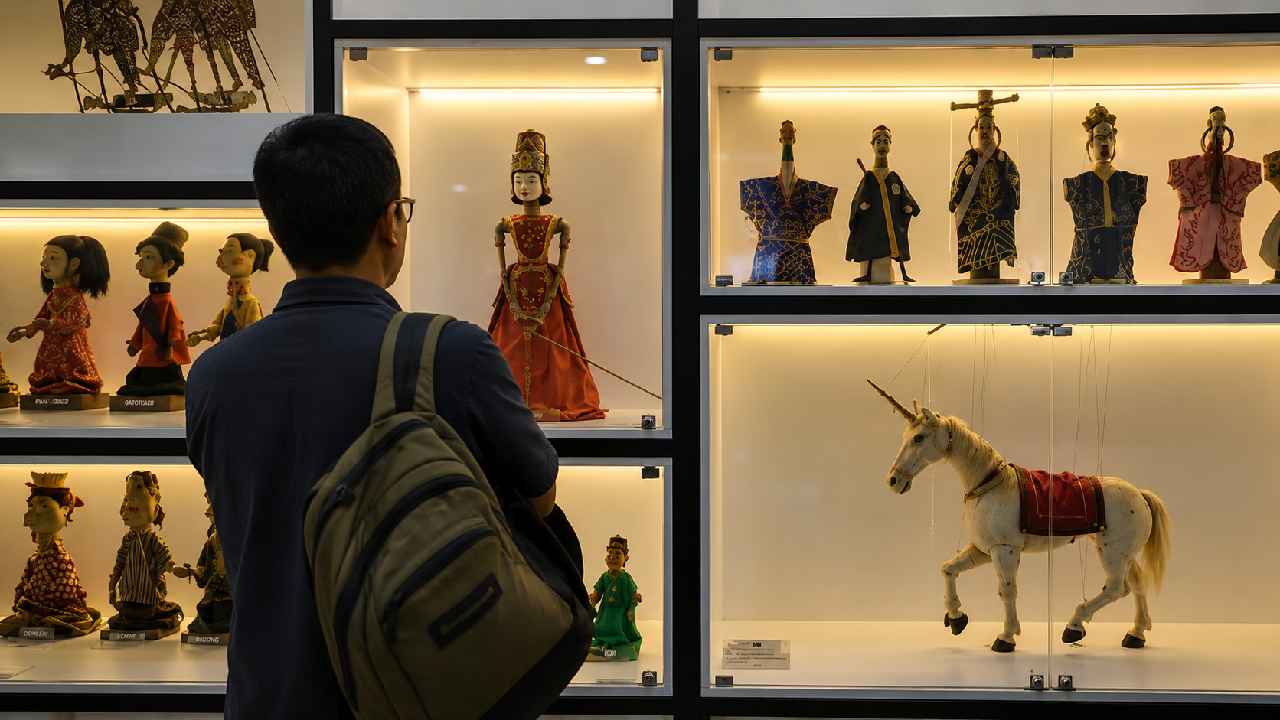
Trans to Find – The Wayang Museum offers a different kind of lifestyle experience in the heart of Jakarta’s Old Town. Instead of feeling dark, rigid, or distant, the museum now presents Indonesian heritage in a more welcoming way. Visitors can explore traditional puppetry through organized galleries, interactive displays, and immersive technology. As a result, the journey feels closer to a cultural discovery than a formal history lesson. The museum also suits many types of travelers. Families can introduce children to local traditions, young visitors can find creative inspiration, and culture lovers can enjoy the depth behind each collection. Moreover, its location near other major landmarks makes it easy to include in a relaxed day around Kota Tua. In my view, this balance between education and enjoyment gives the museum its modern appeal. It proves that heritage can remain meaningful without feeling trapped in the past.
A Cultural Stop That Fits Naturally into a Kota Tua Day
A visit to the Wayang Museum fits easily into a slow day of exploring Kota Tua Jakarta. The museum stands close to the Jakarta History Museum, cafés, public squares, and colonial-era buildings. Therefore, visitors do not need a complicated itinerary to enjoy the area. They can begin with a morning walk, stop for coffee, visit several museums, and end the day by taking photographs around Fatahillah Square. This flexibility makes the museum especially attractive for weekend travelers. Unlike destinations that require hours of preparation, it can become part of a simple and spontaneous city escape. Furthermore, the surrounding atmosphere adds another layer to the experience. Old architecture, street performers, bicycles, and local food stalls create a lively contrast with the historical collections inside. Together, these elements turn the visit into a complete urban lifestyle experience rather than a single museum stop.
Giant Wayang Figures Create a Memorable First Impression
The journey begins with three large wayang golek figures: Ramawijaya, Rahwana, and Duryudana. Their scale immediately captures attention and creates a dramatic introduction to the museum. Rather than beginning with long written explanations, the Wayang Museum allows the characters themselves to set the mood. This visual approach works well because many visitors recognize the figures even before understanding their full stories. Meanwhile, the nearby historical display introduces the background of the building and the museum’s development. The combination of storytelling and visual impact helps visitors enter the world of wayang gradually. More importantly, it makes the opening section feel engaging instead of academic. For people who enjoy photography, this area also offers a strong first photo opportunity. The figures feel theatrical, bold, and deeply connected to Indonesian visual culture.
Read Also: Samsung Gaia AI Chip Could Make Future Laptops Smarter
Indonesia’s Wayang Traditions Are Far More Diverse Than Expected
Many people associate wayang golek mainly with West Java. However, the Wayang Museum reveals a much broader tradition. Visitors can discover forms from Kebumen, Pekalongan, Bogor, Cirebon, and other regions. Each collection has its own shape, costume, color, and artistic character. This diversity shows how local communities interpreted stories through their own cultural identity. Nearby, Wayang Klithik presents another fascinating variation. These puppets use thin wooden pieces that create a distinctive “klithik-klithik” sound when they move. That small detail makes the collection feel more alive because visitors can imagine how the performance would sound. In a lifestyle context, this section is especially inspiring for artists, designers, and creative travelers. The textures, patterns, colors, and forms offer endless visual ideas. It reminds us that traditional art can still influence modern fashion, illustration, interiors, and storytelling.
The Building Carries Layers of Jakarta’s Past
Beyond its puppet collections, the Wayang Museum also holds traces of Jakarta’s colonial history. One of the more unexpected areas includes old gravestones and a former burial space connected to the building’s earlier function. The site once formed part of a church complex with a cemetery for Dutch officials, soldiers, and family members. Historical figures associated with the Dutch East India Company were also linked to this location. This contrast gives the museum a deeper atmosphere. On one side, visitors encounter colorful puppets and imaginative performances. On the other, they face reminders of a more complicated urban past. Although the section may feel unusual, it adds emotional depth to the visit. In my opinion, this historical layer prevents the museum from becoming a simple decorative attraction. It encourages visitors to see Jakarta as a city built from many overlapping stories.
Interactive Displays Make Traditional Culture Easier to Understand
The upper floor introduces a more modern learning experience through touchscreens and multimedia displays. Visitors can explore Wayang Potehi, Wayang Sasak, Wayang Palembang, Wayang Papua, and other regional traditions through audio and visual information. Consequently, the Wayang Museum becomes more accessible to people who may not have prior knowledge of puppetry. The technology also helps younger audiences engage with the material at their own pace. However, the experience still has room to grow. Short video clips of real performances would make the displays even stronger. Seeing the movement, music, costumes, and audience reactions could give visitors a fuller understanding of each tradition. Even so, the digital approach already marks an important shift. It shows that museums can use contemporary tools without reducing the cultural value of their collections.
International Puppets Reveal a Wider Cultural Conversation
The museum does not stop with Indonesian traditions. It also presents puppets and performance objects from countries such as India, Cambodia, Thailand, Vietnam, South Korea, France, Russia, Sweden, the United Kingdom, and the United States. These collections show that puppet theater exists in many cultures, although each country develops its own visual language and storytelling style. At the Wayang Museum, this international section creates a broader cultural conversation. Visitors can compare facial expressions, materials, costumes, and performance structures across regions. Moreover, the display highlights how artistic ideas travel and adapt over time. For lifestyle readers who enjoy global culture, this section adds a cosmopolitan dimension to the visit. It becomes clear that puppetry is not an isolated tradition. Instead, it is part of a shared human desire to tell stories through movement, symbolism, and imagination.
Wayang Wahyu and Wayang Revolusi Show How Tradition Evolves
Some of the museum’s most compelling collections are those that move beyond ancient epics. Wayang Wahyu, for example, was created as a medium for sharing Catholic teachings through the familiar language of shadow puppetry. Meanwhile, Wayang Revolusi presents modern political figures such as Soekarno and Mohammad Hatta in puppet form. These collections reveal how flexible the art can be. The Wayang Museum does not present tradition as something frozen in time. Instead, it shows how wayang has responded to religion, politics, independence, and social change. This ability to adapt explains why the art form remains relevant. It also offers a valuable lesson for modern creative industries. Heritage survives not only through preservation, but also through thoughtful reinvention. That idea feels especially meaningful in today’s lifestyle culture, where people often search for new ways to connect with identity and history.
The Immersive Room Changes the Museum Experience
The immersive room is one of the most modern features inside the Wayang Museum. Through 360-degree visuals, surrounding sound, and interactive elements, visitors feel as though they have entered the story itself. This experience transforms a traditional museum visit into something more cinematic and playful. Families, students, and younger travelers may find this section particularly enjoyable because it encourages active participation. Moreover, the technology supports the museum’s larger goal: making cultural education more memorable. Instead of only reading about characters and legends, visitors can experience movement, atmosphere, and dramatic storytelling. The interactive areas also help break the stereotype that museums must remain quiet and passive. In this space, learning feels closer to entertainment. That combination makes the museum more suitable for modern lifestyle audiences who value both meaning and experience.
Small Details Make the Visit Feel More Personal
A thoughtful visit often becomes memorable because of small details. At the Wayang Museum, the museum passport stamp is one example. Visitors who bring a museum passport can collect several stamp designs as a keepsake. Although simple, this activity adds a sense of discovery and personal achievement. It also encourages people to explore more museums around the city. Beyond the stamps, photography spots, quiet corners, and unusual collections create many moments worth remembering. Travelers can take notes, sketch the puppets, or simply enjoy the visual patterns. These slower activities make the museum suitable for mindful travel. Rather than rushing through every gallery, visitors can pause and appreciate craftsmanship. In a busy city, that calm rhythm feels valuable.
The Wayang Museum Brings Heritage into Modern Lifestyle
The Wayang Museum succeeds because it combines tradition with a more contemporary visitor experience. Its galleries preserve important cultural objects, while digital displays and immersive technology make those objects easier to approach. At the same time, the museum remains connected to the wider lifestyle of Kota Tua. Visitors can combine culture, photography, food, architecture, and relaxation in one day. This balance gives the destination lasting relevance. It is not only a place for school trips or history enthusiasts. It can also inspire designers, travelers, families, content creators, and anyone curious about Indonesian identity. Ultimately, the museum shows that heritage does not need to remain in the shadows. With careful presentation and creative technology, it can become bright, accessible, and deeply engaging for a new generation.