The Beauty of the Taj Mahal, a World Heritage Full of Love Stories and History
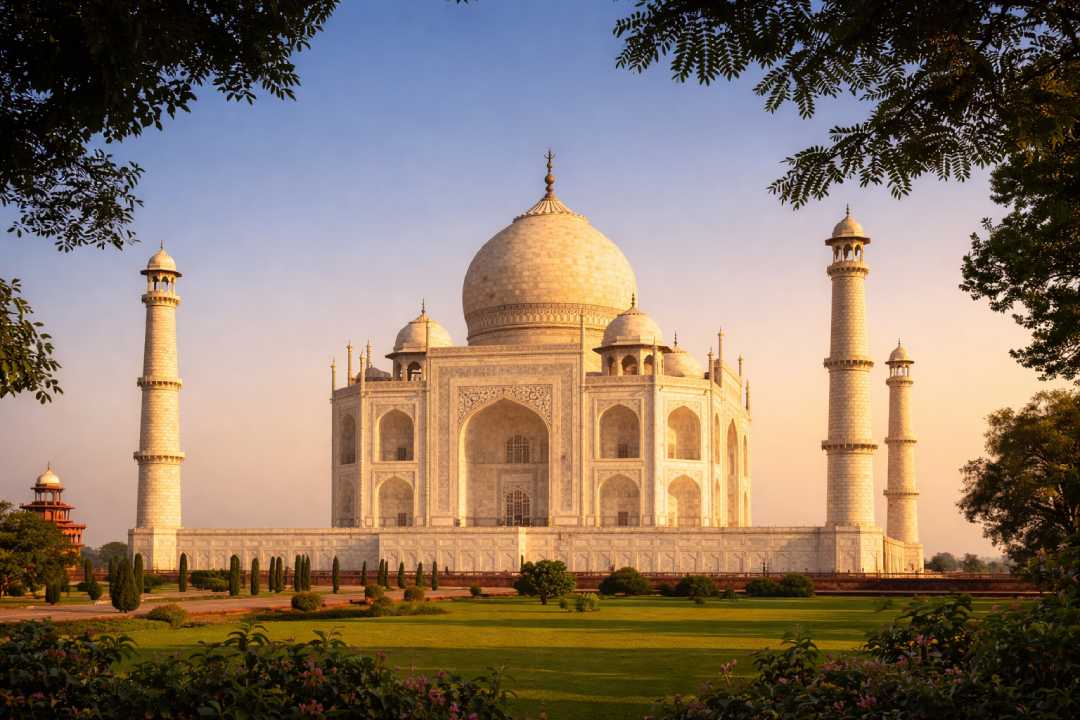
Trans to Find – The Beauty of the Taj Mahal has fascinated travelers, historians, and artists for centuries. Located in Agra, this iconic monument stands as a timeless symbol of love and architectural brilliance. Every year, millions of visitors come to witness its elegance and emotional story. Moreover, its global recognition is not accidental. The Taj Mahal combines artistic mastery with deep historical meaning. From my perspective, what truly sets it apart is how it connects emotion with structure. Therefore, it is not just a building but an experience that resonates with people from different cultures.
A Love Story Behind the Monument
The story behind the Taj Mahal is one of the most powerful love stories in history. It was commissioned by Shah Jahan in memory of his beloved wife, Mumtaz Mahal. After her passing, he decided to create a monument that would immortalize their love. In addition, this emotional foundation adds depth to its beauty. Visitors are not only admiring architecture but also witnessing a story of devotion. In my opinion, this narrative element significantly enhances its appeal. As a result, the Taj Mahal feels more meaningful than many other historical sites.
“Read Also: The Dark Side of Fine Dining Is Becoming Impossible to Ignore“
Architectural Excellence and Timeless Design
One of the key aspects of The Beauty of the Taj Mahal lies in its architectural perfection. Built primarily from white marble, the structure reflects light in a way that changes its appearance throughout the day. Consequently, it looks different in the morning, afternoon, and evening. Furthermore, the design incorporates Persian, Islamic, and Indian architectural styles. This fusion creates a harmonious and balanced aesthetic. From a professional standpoint, this level of detail demonstrates advanced engineering for its time. Therefore, the Taj Mahal is widely regarded as a masterpiece.
The Symbolism of Symmetry and Balance
Another defining feature of the Taj Mahal is its perfect symmetry. Every element, from the central dome to the surrounding minarets, is carefully aligned. As a result, the entire complex appears visually balanced and harmonious. In addition, the use of symmetry represents order and eternity. This concept aligns with the monument’s purpose as a symbol of everlasting love. From my perspective, this design choice adds a philosophical dimension to its beauty. Consequently, it becomes more than just a visual attraction.
The Gardens and Reflective Beauty
The Taj Mahal complex includes beautifully designed gardens that enhance its overall appeal. These gardens follow a geometric layout, creating a sense of peace and order. Additionally, the reflecting pool adds a dramatic visual effect, especially during sunrise and sunset. Moreover, the surrounding environment plays a crucial role in the visitor experience. The combination of nature and architecture creates a calming atmosphere. In my view, this integration is what makes the Taj Mahal truly unforgettable. Therefore, it offers more than just visual beauty—it provides emotional tranquility.
Cultural and Historical Significance
The Taj Mahal is not only a symbol of love but also a significant cultural landmark. It represents the peak of Mughal architecture and reflects the empire’s influence during its golden age. Furthermore, it has been recognized by UNESCO as a World Heritage Site. This recognition highlights its importance on a global scale. In addition, it serves as a reminder of how art and culture can transcend time. From a historical perspective, the Taj Mahal continues to educate and inspire. Therefore, its value extends far beyond tourism.
The Taj Mahal in Modern Culture
Interestingly, The Beauty of the Taj Mahal continues to influence modern culture. It has been featured in films, literature, and art across the world. As a result, it remains relevant even in contemporary times. Moreover, its image is often associated with romance and elegance. This consistent representation strengthens its identity as a global icon. In my opinion, this cultural presence ensures that the Taj Mahal will never lose its significance. Consequently, it remains one of the most recognizable landmarks in the world.
Why the Taj Mahal Remains Timeless
Ultimately, the enduring appeal of the Taj Mahal lies in its ability to combine beauty, history, and emotion. While many monuments impress visually, few carry such a profound story. Therefore, it continues to attract people from all walks of life. Additionally, its universal themes of love and remembrance make it relatable. From my perspective, this emotional connection is what keeps it timeless. As a result, The Beauty of the Taj Mahal will continue to inspire future generations.