Stonehenge A Prehistoric Wonder That Still Holds Mysteries
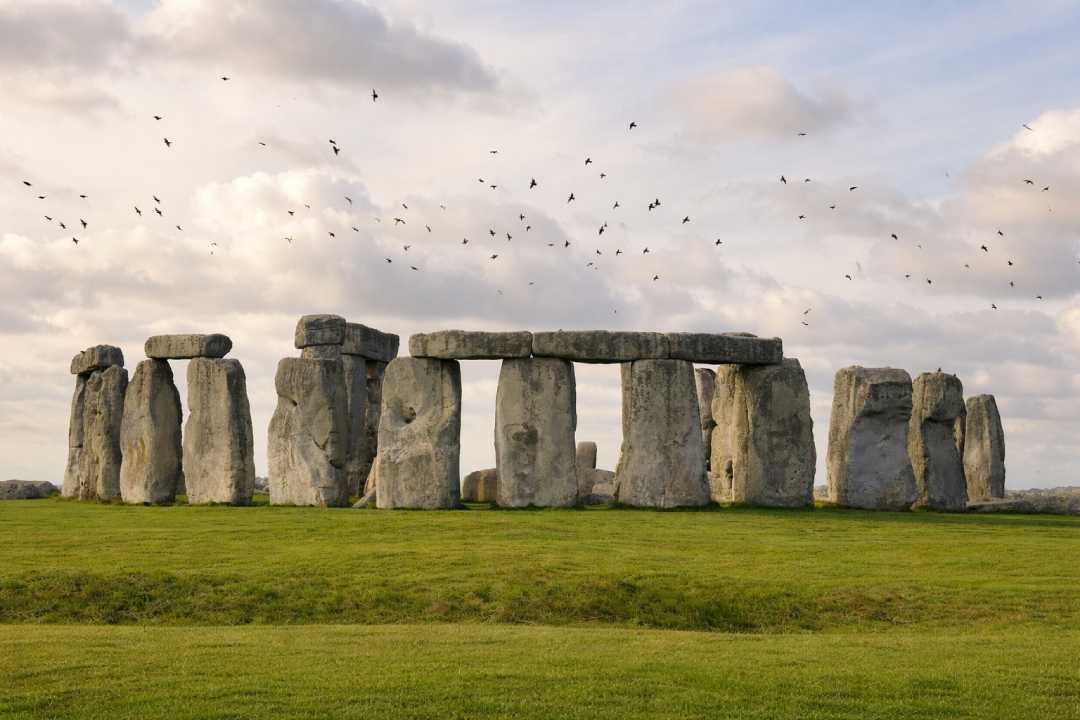
Trans to Find – Stonehenge stands as one of the most iconic prehistoric sites in the world. Located in Wiltshire, England, this ancient monument continues to intrigue people globally. Despite extensive research over the years, many questions about its purpose and construction remain unanswered. In this article, we’ll explore why Stonehenge remains so fascinating.
The Enigmatic Structure of Stonehenge
Stonehenge stands consists of large standing stones arranged in a circular pattern. The sarsen stones, made of sandstone, stand tall, while the bluestones, smaller and more compact, were transported from over 200 miles away. Researchers still don’t understand why these stones were specifically chosen, adding to the site’s mystery. Regardless of the reason, their arrangement remains a remarkable engineering feat.
“Read Also: What Is Safe Mode on Android? Understanding Its Function and How It Helps Fix Smartphone Problems”
Theories Behind Stonehenge’s Purpose
Many theories seek to explain the purpose of Stonehenge. Some believe it served as an astronomical observatory, based on its alignment with the sun during the solstices. Others think it functioned as a ritual site or even a burial ground. While no theory has been proven definitively, one thing is clear: it held immense significance for those who built it.
How Stonehenge Was Constructed
Building Stonehenge took incredible skill and effort. The sarsen stones, weighing as much as 25 tons, were likely transported across long distances. Early builders probably used sledges and logs to move the massive stones. This monumental task required generations of people, reflecting the great importance placed on this sacred site.
The Spiritual Significance of Stonehenge
Stonehenge likely served a spiritual or ceremonial function. The alignment of the stones with the sun, particularly during the summer and winter solstices, suggests that people used it for worship or rituals. Today, many visitors feel a deep connection to the site, reinforcing its role as a place of reflection and reverence.
Modern Exploration and Discoveries
Recent technological advancements have helped uncover more about Stonehenge. Ground-penetrating radar and 3D scanning have revealed hidden features like pits and underground structures. These discoveries suggest that there is far more to Stonehenge than meets the eye, offering new insights into its origins and purpose.
Stonehenge as a UNESCO World Heritage Site
In 1986, Stonehenge earned recognition as a UNESCO World Heritage Site due to its cultural and historical importance. Millions of visitors now come to witness its ancient beauty each year, securing its place as one of the most significant landmarks in human history.
The Enduring Legacy of Stonehenge
Stonehenge continues to be a symbol of mystery and wonder. Whether people view it as an astronomical tool, a religious center, or an engineering marvel, it remains captivating. The unanswered questions about its origins only increase its allure, ensuring that Stonehenge will continue to fascinate generations to come.