Vatican Museums Historic Museums in the Vatican that Hold World Masterpieces
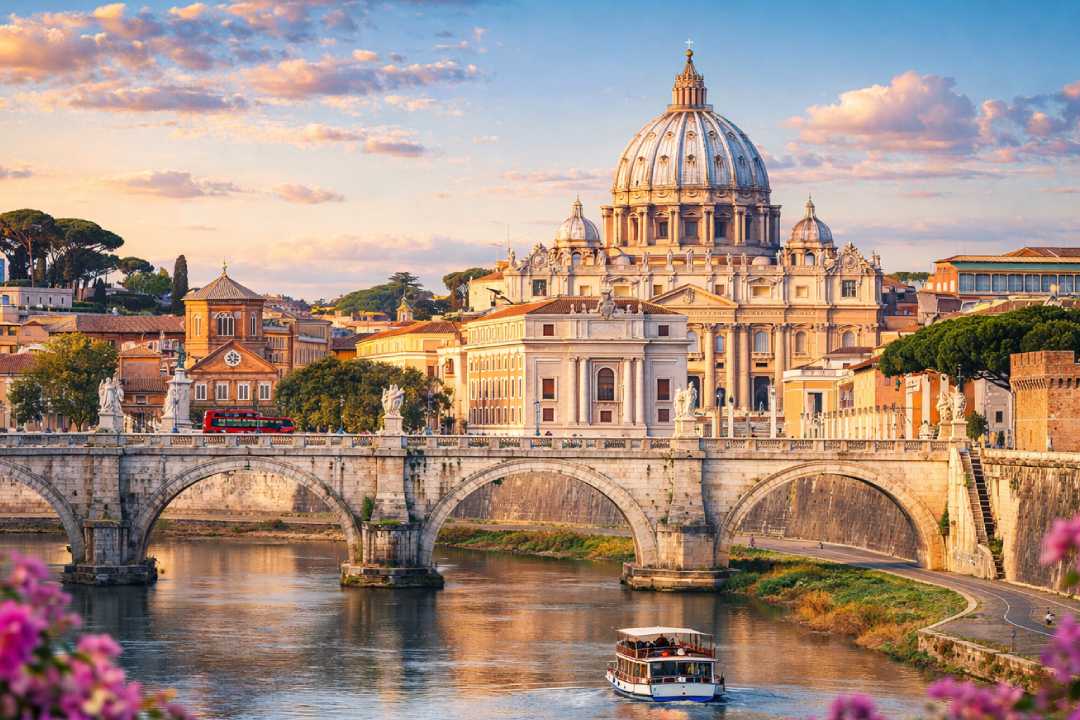
Trans to Find – Vatican Museums Historic Museums in the Vatican that Hold World Masterpieces represent one of the most extraordinary cultural landmarks in the world, attracting millions of visitors who want to witness centuries of artistic brilliance and historical legacy. Located in the heart of Vatican City, this museum complex preserves a remarkable collection of paintings, sculptures, and priceless artifacts that reflect the evolution of Western civilization. As travelers step into its grand galleries and corridors, they quickly realize that the experience goes far beyond a typical museum visit. Instead, the Vatican Museums feel like a living archive of creativity, faith, and intellectual achievement that has shaped global art history. Consequently, the site continues to captivate historians, artists, and travelers who seek inspiration from humanity’s greatest masterpieces.
The Origins of the Vatican Museums
The story of the Vatican Museums began in the early sixteenth century. Pope Julius II started the collection after acquiring the famous sculpture Laocoön and His Sons. The artwork was displayed for the public, and it quickly attracted attention. Over time, other popes expanded the collection. They added sculptures, paintings, and rare historical objects. As the collection grew, the museum complex became larger and more important. Today, the Vatican Museums contain dozens of galleries that display art from many different civilizations.
“Read Also: This Solar Panel Blooms Every Morning and Follows the Sun for Maximum Energy“
A Treasure of Renaissance Masterpieces
The Vatican Museums are famous for their Renaissance art collection. Many legendary artists are represented here. Raphael and Michelangelo are among the most celebrated names. Their works changed the direction of European art. Visitors often admire the emotional depth and fine details of these masterpieces. In addition, the Renaissance galleries show how art and philosophy developed together. This combination makes the museum both visually impressive and intellectually inspiring.
The Legendary Sistine Chapel
The Sistine Chapel is the most famous section of the Vatican Museums. Michelangelo painted its ceiling in the early sixteenth century. The artwork illustrates scenes from the Book of Genesis. One of the most iconic images is “The Creation of Adam.” Visitors often stand silently while looking at the magnificent ceiling. The chapel also has an important religious function. It is the place where cardinals gather to elect a new pope. Therefore, the Sistine Chapel combines artistic brilliance with historical importance.
The Fascinating Gallery of Maps
Another highlight of the Vatican Museums is the Gallery of Maps. This long corridor contains large painted maps of Italy. The maps were created during the sixteenth century. At that time, cartography was still developing as a science. Nevertheless, the maps display impressive accuracy and artistic detail. Walking through the gallery feels like traveling across Italy. Each painted panel represents a different region. As a result, visitors experience both geography and art in one place.
Raphael Rooms and Intellectual Art
The Raphael Rooms are another major attraction in the Vatican Museums. These rooms were once part of the papal apartments. Raphael decorated them with remarkable frescoes. One of the most famous works is The School of Athens. The painting shows ancient philosophers such as Plato and Aristotle. It represents the harmony between knowledge and creativity. Through this artwork, Raphael captured the intellectual spirit of the Renaissance.
The Elegant Spiral Staircase
Architecture also plays an important role in the Vatican Museums. One of the most photographed features is the spiral staircase. Its elegant curves create a striking visual pattern. Visitors often stop to admire the design from above. The staircase reflects the balance between beauty and function. Even simple architectural elements feel artistic in this museum. As a result, every corner of the complex contributes to the visitor experience.
Cultural Importance of the Vatican Museums
The Vatican Museums are more than a tourist attraction. They protect priceless artworks and historical artifacts. These collections help scholars understand the development of Western art and culture. Researchers and historians often study the museum archives. In addition, the museums allow modern audiences to learn from the past. They act as a bridge between historical knowledge and contemporary appreciation.
Why the Vatican Museums Continue to Inspire
Even today, the Vatican Museums remain one of the most inspiring cultural sites in the world. Visitors experience art that spans many centuries. Each gallery tells a story about human creativity and belief. Exploring the museum often becomes a personal journey. Travelers leave with a deeper understanding of art and history. Because of this powerful experience, the Vatican Museums continue to captivate people from every generation.