Discover Seven Coloured Earth, Mauritius’ Stunning Rainbow Landscape
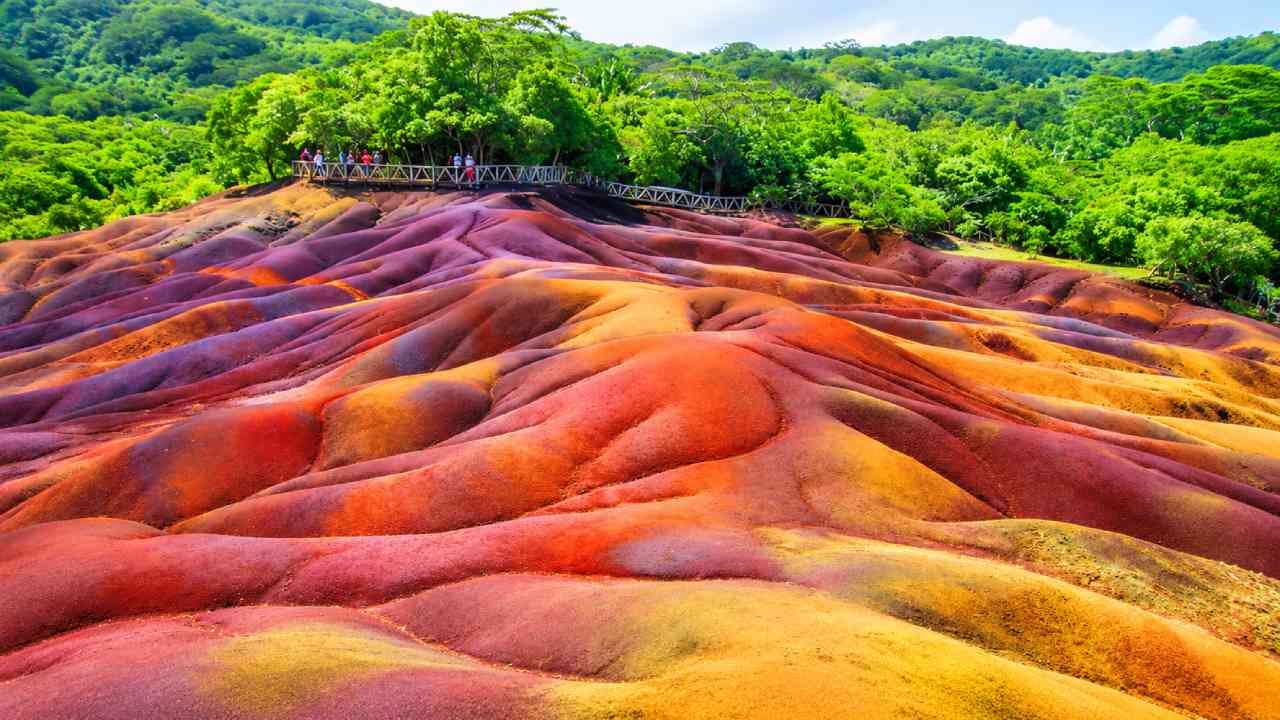
Trans to Find – Seven Coloured Earth is one of Mauritius’ most fascinating natural attractions. Located in the village of Chamarel, this remarkable landscape features rolling dunes with unusual colors. Visitors can admire shades of red, brown, purple, yellow, and other subtle tones. At first glance, the scenery resembles a painting rather than a natural formation. However, these colorful hills developed through geological processes over a long period. The attraction sits within the Chamarel Seven Coloured Earth Geopark in southwestern Mauritius. Moreover, the surrounding tropical vegetation creates a beautiful contrast with the exposed earth. Travelers visiting the island often associate Mauritius with beaches and turquoise lagoons. Yet this destination offers a completely different experience. Instead of ocean views, visitors discover an extraordinary landscape shaped by volcanic history. Its unusual appearance makes it especially appealing to nature lovers, photographers, and travelers seeking memorable experiences beyond traditional island attractions.
The Fascinating Geological Story Behind Seven Coloured Earth
The remarkable colors of Seven Coloured Earth come from the island’s volcanic history. Millions of years ago, volcanic activity helped form the landscape of Mauritius. Over time, weathering transformed volcanic rocks into mineral-rich soil. As a result, different mineral compounds contributed to the area’s distinctive colors. Iron oxides help create reddish and brownish shades. Meanwhile, other mineral compositions influence the lighter tones visible across the surface. These natural processes developed gradually rather than through a sudden geological event. Interestingly, the colorful formations are not ordinary beach sand. They consist of weathered volcanic material shaped by environmental conditions. This distinction makes the attraction particularly interesting for travelers who enjoy learning about geology. Furthermore, the site offers a visual example of how minerals influence natural landscapes. What appears almost artificial is actually the result of complex geological changes.
Rainbow Colored Hills Create an Almost Unreal Landscape
The beauty of Seven Coloured Earth becomes clear when visitors approach the designated viewing areas. Small rolling hills display bands of color that follow the natural curves of the ground. Consequently, the landscape resembles flowing waves painted in earthy tones. The surrounding greenery makes these colors appear even more striking. Unlike towering mountains, the formations remain relatively low and gently rounded. Nevertheless, their unusual appearance creates a strong visual impression. Sunlight also changes how visitors perceive the colors throughout the day. Under bright conditions, certain shades become more noticeable. Meanwhile, clouds and shadows may soften the contrast between different areas. This changing appearance gives photographers opportunities to capture varied compositions. However, the colors do not always appear as intense as heavily edited travel photographs suggest. The site’s natural beauty lies in its subtle variations and distinctive geological patterns.
Read Also: Tokyo Installs 22 Smart Bins in Akihabara to Tackle Tourist Waste
Why Seven Coloured Earth Attracts Travelers from Around the World
Mauritius is widely recognized for its tropical beaches, luxury resorts, and beautiful coastal scenery. However, Seven Coloured Earth introduces visitors to another side of the island. Its colorful terrain provides a refreshing contrast to the familiar blue waters of the Indian Ocean. Furthermore, the attraction combines natural beauty with educational value. Travelers can observe an unusual geological formation while exploring the lush surroundings of Chamarel. The destination also appeals to people who enjoy photography and distinctive landscapes. Unlike attractions centered on adventurous activities, this site encourages visitors to slow down and observe. A short visit can reveal fascinating details about the colors and shapes of the terrain. In addition, the geopark’s location makes it convenient to combine with other nearby attractions. This variety helps create a more rewarding travel experience in southwestern Mauritius.
Exploring Chamarel and Its Beautiful Tropical Surroundings
A visit to Seven Coloured Earth offers more than colorful hills. The surrounding Chamarel area features forests, scenic roads, and impressive natural viewpoints. One nearby highlight is Chamarel Waterfall, which drops dramatically through a green landscape. Travelers can often include both attractions during the same sightseeing trip. Moreover, the region offers a different atmosphere from Mauritius’ busy coastal resort areas. Winding roads pass through tropical vegetation and elevated landscapes. Along the way, visitors may encounter viewpoints overlooking the island’s southwestern scenery. The area also provides opportunities to explore local food and cultural attractions. However, travelers should plan their route carefully because mountain roads can be narrow and winding. Visiting with a local guide or arranging reliable transportation may make the journey easier. Together, these experiences reveal the natural diversity that makes Mauritius an appealing island destination.
The Best Time to Visit Seven Coloured Earth in Mauritius
Choosing the right time can improve a visit to Seven Coloured Earth. Generally, clear weather provides favorable conditions for observing the landscape’s natural colors. Morning visits may offer cooler temperatures and a more comfortable walking experience. Furthermore, softer sunlight can create appealing photographic conditions. However, the appearance of the dunes depends on weather, lighting, and viewing angles. Mauritius has a tropical climate, with warmer and wetter conditions generally occurring from November to April. The cooler, relatively drier period usually extends from May to October. Nevertheless, occasional rainfall can occur throughout the year. Visitors should check local forecasts before traveling. It is also helpful to confirm the geopark’s current opening hours. Since the attraction features designated viewing areas, travelers should allow enough time to enjoy the scenery without rushing.
Photography Tips for Capturing the Colorful Mauritius Landscape
Seven Coloured Earth provides excellent opportunities for landscape photography. However, capturing its natural colors requires careful attention to lighting and composition. First, visitors should photograph the hills from designated viewpoints. These areas offer clear perspectives while protecting the fragile terrain. Next, including nearby greenery can create an attractive contrast with the colorful earth. Furthermore, changing the camera angle may reveal different patterns across the dunes. A wide-angle composition can emphasize the landscape’s flowing shapes. Meanwhile, closer framing can highlight individual color transitions. Photographers should avoid excessive saturation because it can make the scenery appear unnatural. Instead, balanced exposure often produces more realistic results. Cloudy conditions may soften the colors, while direct sunlight can create stronger shadows. By experimenting with these conditions, travelers can capture photographs that reflect the site’s unusual beauty.
Responsible Tourism Helps Protect Seven Coloured Earth
Protecting Seven Coloured Earth is essential because its unusual landscape is a valuable natural attraction. Visitors should remain within designated viewing areas and follow the geopark’s instructions. Walking directly across the colored formations can damage their delicate surface. Moreover, removing soil or disturbing the terrain may affect the site’s natural condition. Responsible tourism allows future visitors to enjoy the same geological features. Travelers can also reduce their environmental impact by disposing of waste properly. Respecting local rules helps protect the surrounding vegetation and wildlife. In addition, visitors should avoid creating photographs that require entering restricted areas. The most memorable travel experiences do not always involve getting closer to an attraction. Sometimes, observing a landscape carefully provides a deeper appreciation of its beauty. Seven Coloured Earth offers a reminder that natural wonders deserve both admiration and protection.
What Makes Seven Coloured Earth Different from Other Natural Attractions
Many destinations around the world feature colorful landscapes. For example, Rainbow Mountain in Peru displays mineral-rich layers across high-altitude slopes. Meanwhile, China’s Zhangye Danxia formations reveal dramatic bands of colored rock. Seven Coloured Earth offers a different geological setting and visual experience. Rather than towering cliffs or mountain ridges, visitors encounter gently rolling formations made from weathered volcanic material. Furthermore, the attraction sits within a tropical island environment. This combination creates a striking contrast between colorful soil and lush vegetation. The site is also relatively compact compared with expansive mountain landscapes. Therefore, visitors can appreciate its distinctive features without undertaking a demanding hike. Its appeal comes from the unusual concentration of colors within a small area. For travelers exploring Mauritius, this makes the attraction a memorable addition to a broader island itinerary.