Seoul Charms Tourists, but Finding a Trash Bin Is a Challenge
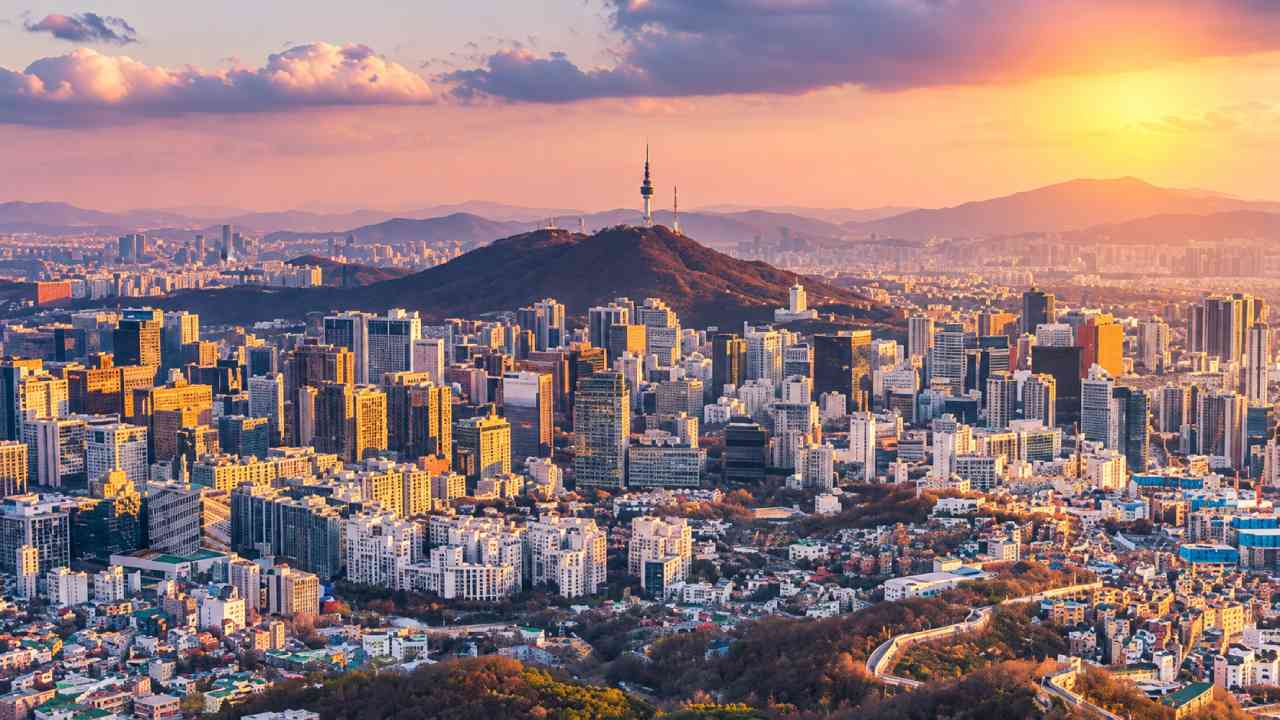
Trans to Find – Seoul Charms Tourists with its vibrant streets, stylish cafés, and exciting food culture. From trendy shopping districts to traditional neighborhoods, South Korea’s capital offers countless experiences for international visitors. However, one unexpected challenge has caught some travelers by surprise. Finding a public trash bin can take much longer than expected. Some tourists have reportedly carried empty coffee cups and food packaging for nearly an hour. This everyday inconvenience reveals a lesser-known side of Seoul’s modern urban lifestyle.
Seoul Charms Tourists with Its Vibrant Urban Lifestyle
Seoul has become a favorite destination for travelers seeking fashion, entertainment, and memorable cultural experiences. Its streets combine modern architecture with traditional Korean influences. Meanwhile, stylish cafés and colorful shopping districts attract visitors throughout the year. Many tourists enjoy exploring neighborhoods on foot while discovering local food and independent boutiques. However, even a well-developed city can present unexpected challenges. In Seoul, finding a public trash bin is sometimes more difficult than finding the next trendy café. This contrast has surprised international visitors who expect convenient public facilities in busy tourist areas. Although the problem may appear minor, it can influence the overall travel experience. After all, comfortable city exploration depends on more than beautiful attractions. Small details, including accessible waste disposal, also contribute to an enjoyable urban lifestyle.
Myeongdong Offers Excitement but Few Places to Dispose of Trash
Myeongdong remains one of Seoul’s most recognizable shopping and street food destinations. Visitors can explore beauty stores, fashion boutiques, and food stalls within a lively pedestrian environment. However, the district also highlights the challenges of limited public trash bins. According to a report by Chosun Ilbo, a German tourist named Lena experienced this problem in late October 2026. She reportedly spent nearly an hour looking for somewhere to discard a used chicken skewer. Eventually, she approached a nearby shop for assistance. Unfortunately, the shop declined her request. Her experience illustrates how an ordinary activity can become unexpectedly inconvenient. Myeongdong encourages visitors to enjoy snacks while walking, yet disposal facilities remain difficult to locate in some areas. Consequently, tourists may need to carry used packaging long after finishing their food.
Read Also: Xiaomi HyperOS 4 Update Leaves 12 Popular Phones Behind, Including Xiaomi 12 and Poco F5
A Simple Bubble Tea Break Turns into an Unexpected Travel Problem
Enjoying bubble tea while exploring Seoul sounds like an ideal afternoon activity. However, one Vietnamese traveler discovered that finishing a drink could create an unexpected inconvenience. Minh Minh, a visitor from Ho Chi Minh City, reportedly carried an empty bubble tea cup for nearly 30 minutes. She eventually found a place to dispose of it after reaching another destination with her group. According to VN Express, she expressed surprise at the number of food stalls compared with the limited availability of public trash bins. Her experience reflects a broader issue within Seoul’s street food culture. Many visitors purchase takeaway drinks and snacks while exploring popular neighborhoods. Therefore, disposable cups and food containers quickly become part of their journey. Without convenient disposal points, even a relaxing afternoon walk can feel less comfortable than expected.
Why Public Trash Bins Are Surprisingly Difficult to Find in Seoul
The shortage of public trash bins has historical roots in South Korea’s waste management policies. In 1995, the country introduced a volume-based waste fee system. Under this approach, households generally pay for waste disposal through designated garbage bags. The policy encourages people to reduce unnecessary waste and manage household rubbish responsibly. However, an unintended problem emerged over time. Some residents reportedly used public trash bins to dispose of household waste without paying the required fees. As a result, certain collection points became overloaded. Authorities responded partly by reducing the number of public bins. Figures cited in the original reports show that Seoul’s street trash bins declined from 7,607 in 1995 to 3,707 in 2007. This history helps explain why modern Seoul can have impressive public infrastructure while still offering limited waste disposal options in certain locations.
Seoul Has Thousands of Trash Bins, but Their Locations Matter
Seoul does not lack public trash bins entirely. Instead, their uneven distribution creates challenges for people exploring particular neighborhoods. According to local government figures cited for September 2026, the city had approximately 7,142 roadside trash bins across its 25 districts. However, the numbers varied significantly between areas. Gangnam reportedly had 992 bins, while Jung-gu had only 146. This difference matters because Jung-gu includes Myeongdong, one of the city’s busiest tourist destinations. The Korea Herald also reported that a roughly 500-meter stretch in Myeongdong had no public trash bins. Meanwhile, the wider tourist district reportedly contained only 35 units. These figures reveal an important aspect of urban planning. A city can have thousands of facilities without providing convenient access where visitors need them most. Therefore, strategic placement matters as much as the total number.
Popular Seoul Neighborhoods Face Similar Everyday Challenges
Myeongdong is not the only neighborhood where visitors may struggle to find public trash bins. Other popular destinations, including Hongdae, Bukchon, and Seongsu, have reportedly faced similar concerns. Each neighborhood offers a different lifestyle experience. Hongdae attracts younger visitors through its music scene, nightlife, and creative atmosphere. Meanwhile, Bukchon is known for traditional Korean architecture and cultural heritage. Seongsu offers another experience with fashionable cafés, design stores, and contemporary shopping spaces. Despite their differences, these areas share one important characteristic. They attract people who enjoy walking, shopping, and buying takeaway refreshments. Consequently, waste disposal becomes an essential part of the visitor experience. When facilities are difficult to locate, tourists must adjust their habits. This situation shows how everyday infrastructure can influence the atmosphere of even the most fashionable urban destinations.
Seoul’s Street Food Culture Highlights the Need for Better Convenience
Street food plays an important role in Seoul’s appeal as a lifestyle destination. Visitors often explore local markets and shopping streets while enjoying Korean favorites. Popular choices include tteokbokki, hotteok, fish cakes, and sweet drinks. These foods allow travelers to experience Korean flavors without committing to a full restaurant meal. Moreover, the casual atmosphere encourages spontaneous exploration. However, takeaway food frequently comes with disposable containers, cups, or wooden skewers. Once the food is finished, visitors need somewhere appropriate to discard the packaging. Limited public bins can interrupt this otherwise enjoyable experience. The issue also highlights a wider challenge for tourism-focused cities. Food culture and public infrastructure need to develop together. Without practical disposal facilities, the convenience of street food becomes less appealing. For travelers, the quality of a destination often depends on these small but meaningful details.
The Balance Between Clean Streets and Tourist Convenience
Maintaining clean streets requires more than simply installing additional trash bins. City authorities must also consider waste collection schedules, illegal dumping, and the concerns of local businesses. In Seoul, previous efforts to increase public bins have reportedly faced resistance from some residents and small business owners. Their concerns often involve overflowing rubbish and unpleasant conditions near commercial properties. Meanwhile, tourists understandably expect accessible facilities in busy public areas. These competing priorities create a difficult urban management challenge. Adding bins in carefully selected locations could improve convenience. However, effective maintenance and clear disposal instructions would also be necessary. Furthermore, public awareness can help visitors understand local waste management practices. The situation demonstrates that successful urban living depends on cooperation between residents, businesses, authorities, and travelers. Cleanliness and convenience should support each other rather than become competing goals.
Growing Tourism Makes Everyday Facilities More Important
South Korea’s international tourism industry has experienced remarkable growth. According to the figures provided in the source material, the country surpassed 20 million foreign visitor arrivals by November 12, 2026. This milestone reflects its growing appeal as a global travel destination. Korean entertainment, fashion, food, and contemporary culture continue to attract international attention. Seoul remains central to this experience because it offers many of these attractions within one city. However, increasing visitor numbers also create additional pressure on public infrastructure. Busy shopping streets generate more takeaway packaging and require efficient waste management. Therefore, tourism development involves more than promoting famous landmarks or opening new attractions. It also requires attention to practical facilities that support everyday activities. As international travel continues to evolve, small improvements in urban convenience can make a meaningful difference to visitor satisfaction.
Smart Travel Habits Can Make Exploring Seoul More Comfortable
Travelers can take several practical steps to navigate Seoul’s limited public trash bins. First, carrying a small reusable bag provides temporary storage for empty packaging. This simple habit can make long walks more comfortable. Additionally, bringing a reusable water bottle may reduce the number of disposable containers used throughout the day. Visitors should also pay attention to local recycling and waste separation rules. When visiting cafés or restaurants, it is better to ask before disposing of outside rubbish. Not every business accepts waste generated elsewhere. Meanwhile, planning short breaks at suitable locations can help travelers manage takeaway food packaging responsibly. These habits support a cleaner environment without limiting the enjoyment of Seoul’s attractions. More importantly, they encourage a respectful approach to local customs. Exploring a new city becomes more rewarding when travelers understand both its attractions and its everyday expectations.