Discover Hallstatt, Austria’s Most Enchanting Lakeside Village
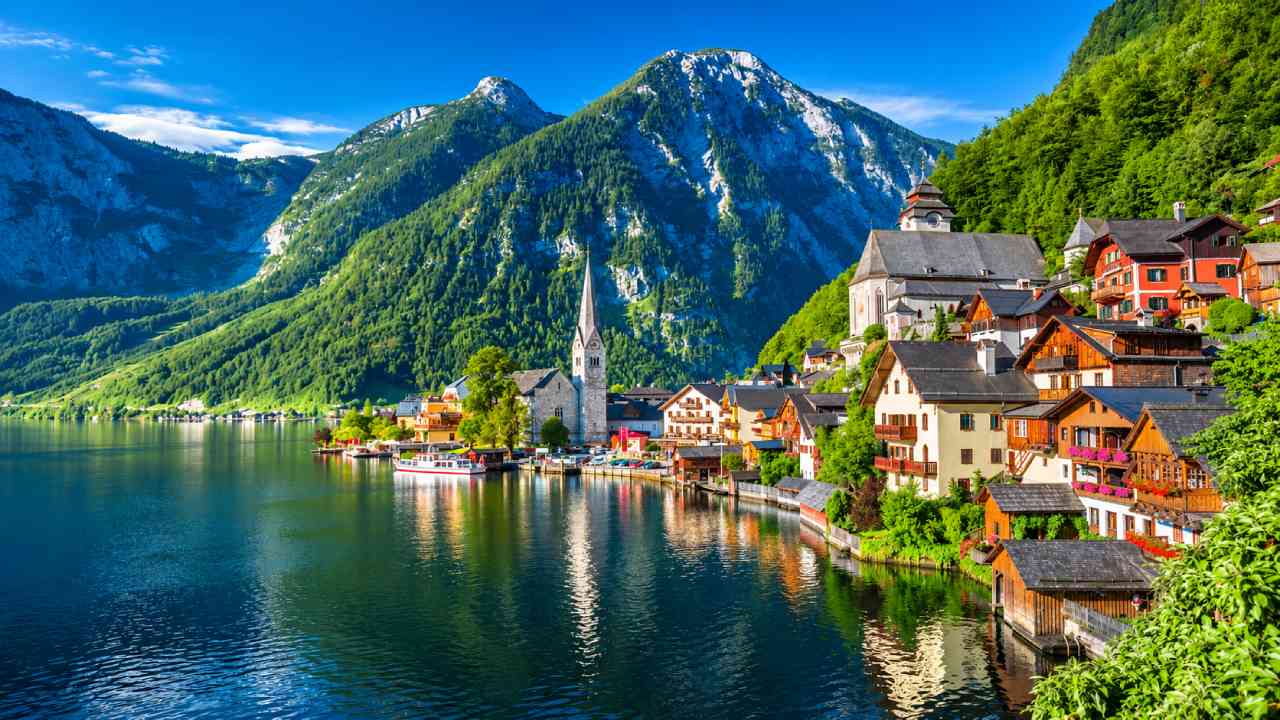
Trans to Find – Hallstatt is a charming lakeside village surrounded by Austria’s breathtaking Alpine scenery. Located in Upper Austria, this small destination feels like a place from a storybook. Colorful houses stand beside calm waters, while towering mountains create a dramatic backdrop. Moreover, narrow streets reveal traditional buildings, flower-filled balconies, and peaceful corners. The village sits along Lake Hallstatt, also known as Hallstätter See. On clear mornings, the water reflects the surrounding mountains and historic architecture. Meanwhile, gentle mist can make the landscape appear almost magical. Travelers often visit for photography, sightseeing, and the beauty of the natural surroundings. However, Hallstatt offers more than picturesque scenery. Its remarkable history and cultural traditions add depth to the experience. As a result, visitors can discover a destination where Alpine nature and centuries of human history exist side by side.
Discover the Fascinating History Behind Hallstatt’s Timeless Beauty
Hallstatt has a fascinating history that stretches back thousands of years. Long before modern tourism, the surrounding mountains attracted people because of their valuable salt deposits. Salt mining became an important part of local life and regional trade. Furthermore, archaeological discoveries revealed the area’s significance during Europe’s Iron Age. The Hallstatt culture, an important archaeological period, takes its name from this village. Today, visitors can still recognize the influence of that history. Traditional buildings and cultural landmarks reflect generations of Alpine life. In 1997, UNESCO recognized the Hallstatt-Dachstein/Salzkammergut Cultural Landscape as a World Heritage Site. This designation highlights the area’s exceptional cultural and historical value. However, the village is not simply an outdoor museum. Residents continue to live and work among its historic streets. Therefore, respectful tourism plays an important role in preserving Hallstatt’s character.
Lake Hallstatt Creates a Peaceful Setting for Scenic Exploration
Lake Hallstatt forms the beautiful natural setting around this Alpine village. Its clear waters stretch between steep mountains and small lakeside settlements. During calm weather, the lake reflects the surrounding scenery with remarkable clarity. As a result, photographers often search for quiet viewpoints along the shoreline. Visitors can also enjoy gentle walks beside the water. Meanwhile, boat excursions may provide a different perspective when seasonal services operate. From the lake, Hallstatt’s traditional houses appear beneath impressive mountain slopes. The famous church tower adds another recognizable feature to the village skyline. Although the scenery feels peaceful, the main waterfront can become busy during popular travel periods. Therefore, early mornings may offer a more relaxed atmosphere. Spending time beside the lake allows travelers to appreciate the landscape beyond its familiar postcard images.
Read Also: Bali Ranks Among Asia’s Top Three Luxury Hotel Destinations
Explore Hallstatt’s Historic Streets and Charming Village Square
Walking through Hallstatt reveals the details that make the village so memorable. Its narrow streets connect traditional houses, small shops, and historic landmarks. Meanwhile, colorful facades and wooden balconies create an inviting Alpine atmosphere. The central Market Square offers one of the village’s most charming gathering places. Here, visitors can admire historic buildings and enjoy the surrounding architecture. Small cafes provide opportunities to experience local hospitality. However, the village’s appeal extends beyond its busiest streets. Quiet corners reveal flower decorations, stone pathways, and beautiful views of the lake. In addition, the steep mountain setting creates interesting changes in elevation. Comfortable walking shoes can make exploring more enjoyable. Travelers should also remember that Hallstatt remains a residential community. Respecting private homes and local spaces helps protect the atmosphere that makes this destination special.
Experience Hallstatt’s Beauty Throughout the Changing Seasons
Every season gives Hallstatt a different atmosphere and visual character. During spring, fresh greenery returns to the surrounding mountains. Flowers begin decorating balconies, while longer days encourage outdoor exploration. Summer brings lush Alpine scenery and opportunities for lakeside activities. However, it also attracts many visitors to the village. Autumn introduces golden leaves and softer colors across the landscape. Meanwhile, cooler temperatures create pleasant conditions for walking when the weather cooperates. Winter can transform Hallstatt into a beautiful snowy setting. White rooftops and misty mountains create a particularly romantic appearance. Nevertheless, snowfall is never guaranteed throughout the season. Weather conditions can also affect transportation and outdoor attractions. Therefore, travelers should check local forecasts before their visit. Choosing the right season depends on personal interests, preferred activities, and tolerance for crowds.
Discover Cultural Attractions Beyond Hallstatt’s Famous Scenery
Hallstatt offers several cultural attractions beyond its beautiful lakeside views. The village’s historic churches reveal elements of local architecture and religious traditions. One unusual attraction is the Bone House, located near the Catholic parish church. It preserves a distinctive historical burial tradition involving decorated skulls. Meanwhile, the Hallstatt Museum introduces visitors to the area’s archaeological heritage. Exhibits explore the village’s long relationship with salt mining and early European communities. The surrounding mountain landscape also contains historic salt-mining sites. However, access to individual attractions may change because of maintenance, safety requirements, or seasonal schedules. Visitors should verify current opening information before making plans. Additionally, exploring cultural sites encourages a deeper appreciation of Hallstatt’s identity. The village becomes more meaningful when travelers understand the people and traditions behind its famous scenery.
Scenic Viewpoints Reveal Hallstatt from a Different Perspective
Hallstatt’s mountain setting provides opportunities to admire the village from different perspectives. The classic lakeside viewpoint remains especially popular among photographers. From this location, traditional houses appear beside the water beneath dramatic Alpine peaks. Meanwhile, elevated viewpoints can reveal the wider relationship between the village, lake, and mountains. The Hallstatt Skywalk is known for its panoramic setting above the village. However, access depends on current operating conditions and local restrictions. Travelers should confirm availability before planning a visit. Another rewarding option involves exploring designated walking paths around the village. These routes can reveal quieter views away from the central waterfront. Nevertheless, steep terrain and changing weather require appropriate footwear and preparation. Taking time to explore different viewpoints helps visitors appreciate Hallstatt as a complete landscape rather than a single photograph.
Traditional Austrian Food Adds Flavor to the Hallstatt Experience
A visit to Hallstatt can also introduce travelers to comforting Austrian cuisine. Local restaurants often serve dishes inspired by regional Alpine traditions. For example, schnitzel remains a familiar choice across Austria. Meanwhile, hearty soups and potato-based dishes suit the cooler mountain climate. Travelers may also find regional fish dishes, depending on restaurant menus and seasonal availability. For dessert, apple strudel offers a classic combination of pastry, apples, and warm spices. Enjoying a meal beside the lake can make the experience particularly memorable. However, restaurants in popular tourist areas may become busy during peak periods. Checking menus and opening hours beforehand can help avoid inconvenience. Additionally, exploring smaller dining establishments may reveal different interpretations of traditional recipes. Food provides another way to connect with the region beyond sightseeing and photography.
Plan a Memorable Hallstatt Journey with Practical Travel Tips
Planning ahead can make a visit to Hallstatt more comfortable and rewarding. The village is accessible through regional transport connections, including trains and local ferry services. However, schedules vary by season and service conditions. Travelers arriving by train should check the connection between Hallstatt railway station and the village. Those driving should review designated parking areas before departure. Private vehicle access to the historic center is restricted. Meanwhile, comfortable shoes are useful because some village streets are narrow or steep. Booking accommodation early may help during popular travel periods. Visitors should also allow enough time to explore without rushing between attractions. In addition, respecting local residents and following posted visitor guidance supports responsible tourism. With thoughtful preparation, Hallstatt offers a memorable combination of Alpine scenery, cultural heritage, and authentic village character.