Ilulissat Icefjord, Greenland’s Surreal Kingdom of Floating Ice Giants
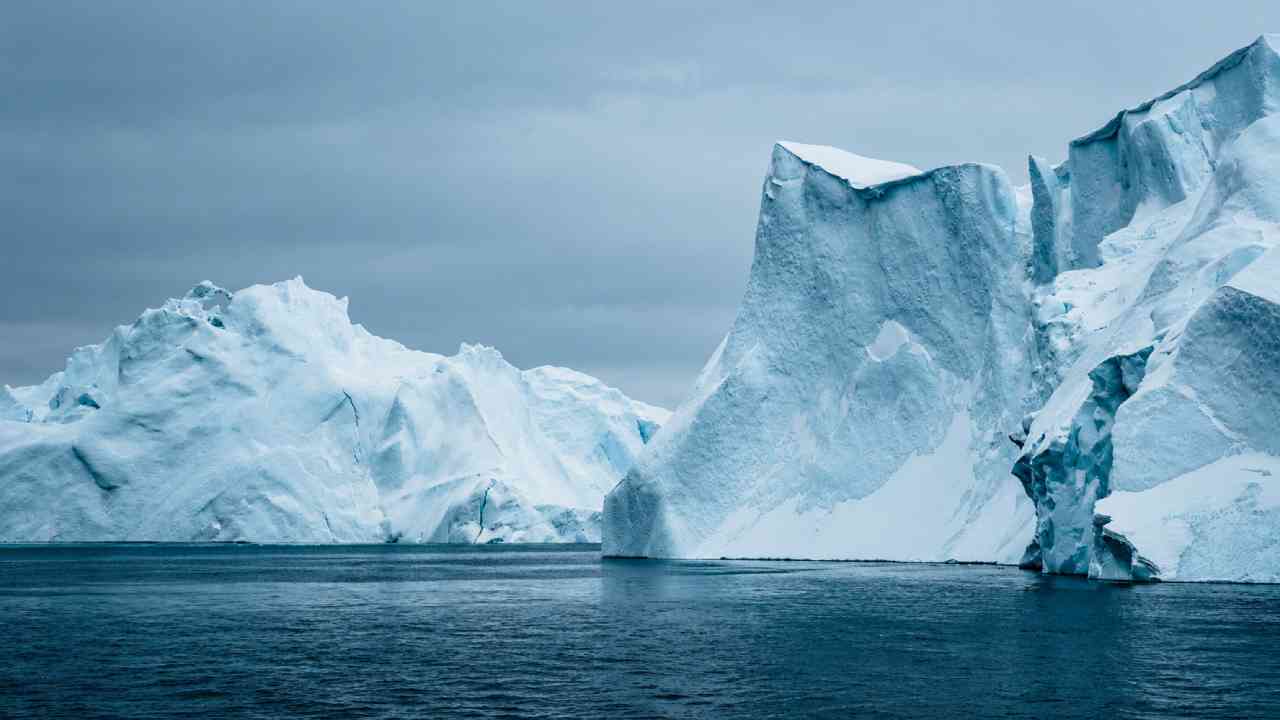
Trans to Find – Ilulissat Icefjord is one of those rare destinations that can make travelers question what they are seeing. Located on Greenland’s west coast, this vast Arctic landscape combines dark water, rugged rocks, and enormous floating icebergs. Some rise from the sea like frozen towers, while others resemble white mountains drifting toward the horizon. As a result, the scenery often feels closer to a fantasy film than a real destination. Yet the experience goes far beyond its visual beauty. The ice constantly moves, cracks, and changes shape. Therefore, no two visits offer exactly the same view. Travelers may hear ice shifting before they notice anything moving. Then, a distant crack can suddenly break the silence. This combination of scale, movement, and sound gives Ilulissat Icefjord its distinctive character. For travelers searching for wild scenery rather than conventional attractions, few destinations create such a powerful first impression.
A UNESCO World Heritage Site Beyond the Arctic Circle
Ilulissat Icefjord lies about 250 kilometers north of the Arctic Circle. UNESCO added the area to its World Heritage List in 2004 because of its exceptional natural and scientific importance. The fjord forms the sea mouth of Sermeq Kujalleq, where ice from Greenland’s enormous ice sheet reaches the ocean. Consequently, visitors are witnessing an active geological process rather than a frozen landscape that never changes. UNESCO recognizes the region for both its natural beauty and its value in understanding glacial processes. Scientists have studied the glacier for more than two centuries. That long record has contributed to research on ice sheets, glaciology, and climate change. For travelers, however, the science becomes surprisingly easy to appreciate once they stand beside the fjord. Huge pieces of ice tell the story in a visual way. Ilulissat Icefjord therefore combines adventure, education, and natural history within one remarkable Arctic destination.
Sermeq Kujalleq Creates an Ever-Changing Ice Kingdom
Behind the spectacular scenery lies Sermeq Kujalleq, one of the world’s fastest and most active glaciers. UNESCO reports movement reaching around 40 meters per day. The glacier also produces a significant share of Greenland’s calved ice. As sections break from the glacier, they enter the fjord and become icebergs. These frozen giants then travel slowly toward Disko Bay. However, their journey is rarely simple. Large icebergs can become temporarily trapped, while smaller pieces move between them. This process creates an enormous natural sculpture gallery that constantly rearranges itself. One morning, visitors might see a towering wall of blue-white ice near the coastline. Later, the same view can appear completely different. That unpredictability makes Ilulissat Icefjord especially fascinating for photographers and nature travelers. Instead of presenting a single famous viewpoint, the landscape keeps creating new compositions. In many ways, the glacier acts as an artist that never stops reshaping its own exhibition.
Read Also: Indonesia Ranks Fourth Among the World’s Friendliest Countries in 2026
Giant Icebergs Turn the Fjord Into Natural Architecture
The icebergs around Ilulissat can look surprisingly architectural. Some feature sharp peaks and deep cracks. Others have smooth curves carved by water, wind, and changing temperatures. From certain angles, they resemble castles, cathedrals, cliffs, or entire mountain ranges. Moreover, their colors can vary dramatically. Fresh surfaces may appear brilliant white, while compressed ice can reveal striking shades of blue. Dark lines may also appear where glacial material has become trapped within the ice. Light changes the scene even further. During the warmer season, the low Arctic sun can add gold, orange, and pink tones to the frozen landscape. Because of this, photographers can return to the same viewpoint several times and capture completely different moods. The scale can also be deceptive. An iceberg that appears modest from shore may be enormous when seen beside a boat. That visual contrast is one reason Ilulissat Icefjord leaves such a lasting impression.
Hiking Offers a Quiet Way to Experience the Icefjord
Travelers do not need to board a boat to appreciate Ilulissat Icefjord. Several marked hiking routes around Ilulissat provide excellent views from land. One popular option follows the boardwalk toward the historic Sermermiut area. From there, travelers can continue along trails overlooking the ice-filled water. Walking offers a different experience because the landscape unfolds gradually. At first, visitors may notice only scattered pieces of ice between rocky hills. Then, the full fjord appears, filled with frozen shapes stretching into the distance. Without an engine nearby, the sounds become clearer as well. Ice can pop, crack, and collide while waves meet the rocky coastline. Meanwhile, long periods of silence make those sudden noises feel even more dramatic. Hiking also gives travelers time to observe smaller details that are easy to miss from a moving boat. Therefore, exploring on foot can be one of the most personal ways to understand the scale of this Arctic environment.
Boat Trips Reveal the True Scale of the Floating Giants
Seeing the fjord from land is impressive, but viewing its icebergs from the water provides another perspective. Boat excursions around Ilulissat allow travelers to see how dramatically the ice rises above the surrounding sea. From this lower viewpoint, towering formations can feel even larger. However, responsible operators maintain appropriate distances because icebergs are dynamic and unpredictable. Pieces can break away without warning, while large formations can shift or rotate. During summer, evening trips are particularly memorable. Greenland’s long daylight hours create unusual lighting conditions, and the Midnight Sun can illuminate the ice late into the evening. White surfaces gradually take on warmer shades as the light changes. Consequently, the same iceberg can look completely different within a short period. The experience is not simply about getting closer to the ice. Instead, being on the water helps travelers understand the relationship between the glacier, the fjord, and Disko Bay.
Every Season Gives Ilulissat a Different Personality
Ilulissat is not limited to one travel season. Summer brings long daylight hours, hiking opportunities, sailing, and chances to see wildlife around Disko Bay. The Midnight Sun also changes the rhythm of travel because daylight can continue deep into the night. In contrast, winter transforms the region into a colder and quieter world. Snow covers the surrounding terrain, sea ice develops, and the landscape gains a more mysterious atmosphere. Around part of winter, the sun remains below the horizon, creating extended twilight rather than normal daylight. Travelers can experience activities such as dog sledding and snowshoeing in the wider Ilulissat area. Northern Lights viewing can also become part of a winter journey when conditions cooperate. Therefore, choosing a season depends on the experience a traveler wants. Summer emphasizes movement, open water, and long exploration days. Winter, meanwhile, offers darkness, snow, traditional Arctic activities, and an entirely different visual character.
The Icefjord Tells a Larger Story About Our Planet
The beauty of Ilulissat Icefjord carries scientific significance as well. Researchers have studied Sermeq Kujalleq and the Greenland ice sheet for generations. Their observations have contributed to our understanding of glaciers and environmental change. For visitors, this context adds another layer to the journey. The Ilulissat Icefjord Centre, located near the UNESCO-listed landscape, explores the history of ice, local culture, and climate change through exhibitions. Rather than treating the icebergs only as beautiful backgrounds, the center helps visitors understand the processes behind them. This perspective matters because Arctic environments are changing. Travelers can admire the scenery while also recognizing its environmental importance. In that sense, Ilulissat offers something deeper than a dramatic photograph. It connects travel with natural history and scientific observation. The destination encourages visitors to look carefully, listen to the landscape, and consider how enormous natural systems can influence life far beyond Greenland.
Why Ilulissat Icefjord Belongs on a Travel Bucket List
Many destinations become famous because of a single landmark. Ilulissat Icefjord feels different because the attraction never stays exactly the same. The glacier continues moving, new icebergs form, older ones drift away, and Arctic light constantly transforms the view. This natural movement makes every journey feel personal. Moreover, travelers can experience the landscape in several ways. They can hike above the fjord, sail among distant ice formations, visit the Icefjord Centre, or simply watch the horizon from Ilulissat. Each perspective reveals another part of the story. Still, the strongest memory may come from something surprisingly simple: standing quietly while enormous pieces of ancient ice move through the water. In a world filled with heavily designed attractions, that sense of raw nature feels increasingly rare. Ilulissat Icefjord does not need artificial spectacle. Its scale, silence, movement, and Arctic atmosphere already create a destination that seems almost too extraordinary to be real.