When Cultural Expression Meets Sacred Space in Japan
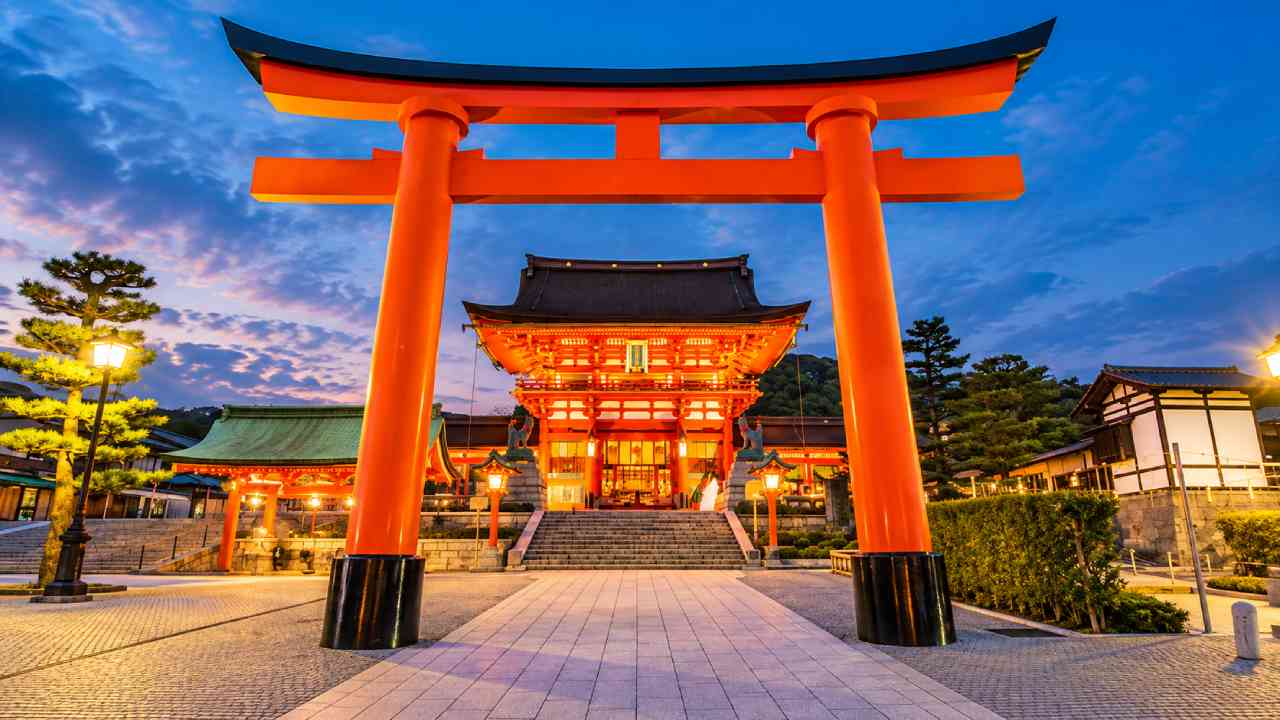
Trans to Find – Travel often brings cultures together in unexpected ways. However, those encounters can become complicated when artistic expression enters a space shaped by spiritual customs. A recent incident outside Fushimi Inari Taisha in Kyoto highlighted that tension. Three visitors from New Zealand were filmed performing Māori poi near the shrine’s distinctive vermilion torii gate. Poi is a traditional Māori performance art that uses lightweight balls attached to cords. Performers swing them in rhythmic patterns, often alongside movement and song. Although the performance carried cultural meaning of its own, its location quickly became the center of debate. Some observers felt that an entrance to a sacred shrine was not an appropriate stage. The moment soon became a wider conversation about travel etiquette, cultural awareness, and how visitors should behave when exploring places that remain active centers of worship.
A Cultural Performance in an Unexpected Setting
For many travelers, sharing something from home can feel like a natural way to connect with another culture. Yet context can completely change how that gesture is received. In this case, the poi performance took place near a torii gate associated with Fushimi Inari Taisha. Rather than focusing on the performance itself, critics questioned whether the location had been treated with enough sensitivity. A shrine entrance is not simply a picturesque backdrop. For worshippers, it marks a transition into a spiritual environment. That difference in perspective explains why something intended as cultural expression could be interpreted differently by people familiar with local customs. The episode also reflects a challenge that modern travelers increasingly face. Social media encourages spontaneous and visually memorable moments. However, places with religious significance often require a different mindset. Sometimes, understanding where you are matters just as much as appreciating what you see.
Why Fushimi Inari Taisha Feels Different From a Tourist Attraction
Fushimi Inari Taisha is internationally recognized for its seemingly endless rows of vermilion torii gates. Those striking pathways have also made the shrine one of Kyoto’s most recognizable destinations. Yet its visual appeal can sometimes overshadow its original purpose. Fushimi Inari is first and foremost a Shinto shrine. Its history stretches back more than a millennium, and worshippers continue to visit for prayers connected with prosperity, business, family safety, and other hopes. Therefore, visitors share the space with people who may be there for deeply personal spiritual reasons. That creates an atmosphere quite different from an ordinary sightseeing location. Photography and exploration remain part of many visits, but awareness matters. A beautiful setting does not automatically become a performance space. Understanding this distinction can make travel more respectful while also giving visitors a richer appreciation of the place itself.
Read Also: Thailand Kindergarten Shooting Leaves Teacher Dead, 44 Children Evacuated Safely
The Meaning Behind Māori Poi Deserves Context Too
The controversy also involves another meaningful cultural tradition. Māori poi should not be reduced to simply “dancing with balls on strings.” Poi is connected to Māori performing arts and can carry cultural, artistic, and community significance. Its rhythmic movements require coordination, practice, and skill. Therefore, the situation presents an unusual meeting between two cultural traditions rather than a simple contrast between performers and a tourist attraction. The issue raised by critics was primarily about location and context. A meaningful tradition from one culture does not automatically fit every setting in another. This is where cultural awareness becomes important. Respect can work in both directions. Travelers can value their own traditions while also recognizing the expectations attached to the places they visit. In lifestyle terms, this is perhaps the most useful lesson from the incident. Cultural exchange becomes richer when curiosity is accompanied by awareness.
Social Media Turned One Moment Into a Global Conversation
Travel mistakes once remained largely between visitors and the people nearby. Smartphones have changed that completely. A short video can now leave its original setting within minutes and reach audiences who interpret it through different cultural perspectives. That appears to have amplified the discussion surrounding the performance. Social media users questioned whether the group understood the significance of the shrine entrance. Others focused on appropriate behavior at sacred sites. This dynamic has become increasingly relevant to modern travel. Many visitors naturally want beautiful photographs and memorable videos. However, creating content can sometimes shift attention away from the environment itself. A traveler begins thinking about camera angles, choreography, or audience reactions instead of observing how local people use the space. That does not mean travelers should stop documenting their journeys. Rather, the best travel content often begins with awareness. Before pressing record, it can be worth asking whether the moment respects the people who experience that place differently.
An Apology Shifted the Conversation Toward Accountability
Tangaroa Paul, who was identified as leading the group, later apologized publicly. He acknowledged that the performance had caused offense and said he would take responsibility for the mistake. He also indicated that he had gained a better understanding of why the setting mattered. The apology adds another dimension to the story. Travel is partly about encountering customs that may not be immediately familiar. Consequently, mistakes can happen. What matters afterward is whether people dismiss local concerns or make an effort to understand them. An apology cannot automatically erase discomfort caused by an incident. Still, accountability can open space for learning. In this case, the discussion moved beyond one short performance and toward a larger question: how should travelers respond when their actions unintentionally cross cultural boundaries? Listening, acknowledging the impact, and changing future behavior are generally more constructive than becoming defensive.
Sacred Spaces Require a Different Kind of Travel Awareness
Visiting a religious site often requires more awareness than visiting a shopping street, park, or entertainment district. Sacred places may have visible rules, such as restrictions on photography or access. Yet many expectations are communicated through behavior rather than signs. Visitors may notice worshippers walking quietly, following particular routes, or pausing before entering certain areas. Observing these patterns can provide useful clues. In Japan, torii gates commonly mark entrances associated with Shinto sacred spaces. Therefore, slowing down before entering can help visitors understand the atmosphere. It is also wise to avoid blocking pathways, especially when people are approaching a place to worship. These habits are simple, but they can transform the travel experience. Instead of treating every destination as scenery, visitors begin noticing how spaces function for local communities. That shift makes travel less about collecting locations and more about understanding them.
The Instagrammable Travel Era Creates New Challenges
Modern tourism is strongly influenced by visual culture. Famous destinations often become recognizable through a handful of repeated images. In Kyoto, vermilion torii gates are among those instantly identifiable scenes. As a result, travelers may arrive already imagining the photographs or videos they want to create. However, an Instagrammable location can still be a living religious environment. These two identities frequently overlap at historic destinations. That creates a responsibility for visitors and content creators alike. A dramatic photograph may look harmless online, while the process of creating it could inconvenience worshippers or interrupt movement. Similarly, a performance that appears visually compelling may feel misplaced to people using the space for spiritual purposes. The solution is not to eliminate creativity from travel. Instead, travelers can adapt creativity to the environment. Sometimes, the most thoughtful content comes from observing quietly rather than becoming the center of the scene.
Respectful Travel Does Not Have to Feel Restrictive
Cultural etiquette can sound like a long collection of rules, but respectful travel does not need to feel stressful. A few habits can make a significant difference. Visitors can read official guidance before entering religious sites, pay attention to signs, and observe how local worshippers behave. When uncertain, choosing the quieter and less intrusive option is usually sensible. Travelers should also consider whether filming, posing, or performing might obstruct other visitors. These small decisions rarely reduce the enjoyment of a trip. In fact, they can make the experience more meaningful. Understanding why a shrine has particular customs adds context that photographs alone cannot provide. Moreover, respectful behavior creates a more comfortable environment for everyone sharing the site. Travel becomes more rewarding when visitors stop seeing etiquette as a limitation and start seeing it as another way to understand the culture around them.
Cultural Curiosity Works Best With Cultural Humility
The incident outside Fushimi Inari Taisha offers a broader lifestyle lesson that reaches beyond Japan or New Zealand. Traveling introduces people to environments where familiar behavior can carry unfamiliar meanings. Therefore, curiosity works best when accompanied by humility. Visitors do not need to understand every custom before arriving. However, they can remain willing to observe, ask, and adjust. That mindset becomes especially important at temples, shrines, mosques, churches, memorials, and other meaningful spaces. Cultural exchange is most powerful when neither tradition is treated casually. Māori poi can be appreciated as an important cultural expression, while a Shinto shrine can simultaneously be respected as a sacred environment. Those ideas do not need to compete. Instead, the controversy shows why context matters. The most memorable journeys are often not the ones where travelers simply see another culture. They are the ones where travelers learn how to move through it thoughtfully.