Chocolate Hills of the Philippines: A Natural Wonder Formed Over Millions of Years
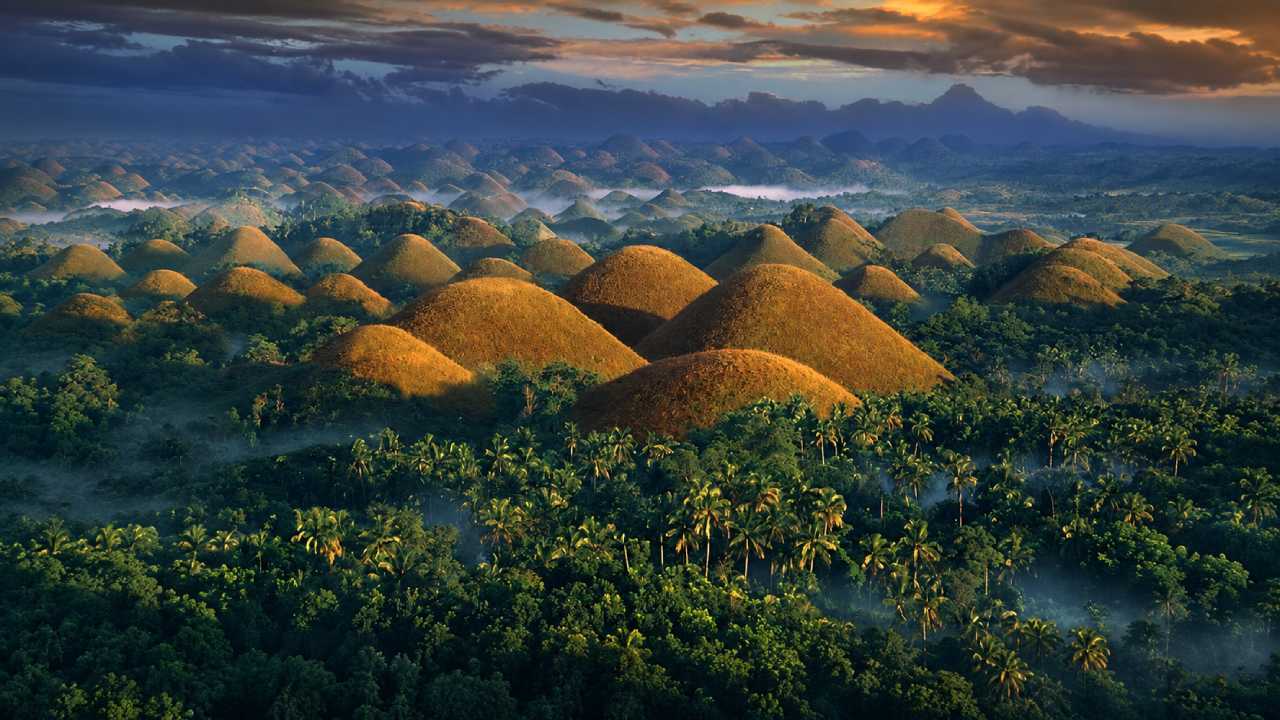
Trans to Find – The Chocolate Hills of the Philippines is one of Southeast Asia’s most fascinating natural attractions. Located in Bohol Province, this remarkable destination features more than 1,200 cone-shaped hills spread across a vast area. At first glance, the landscape looks almost artificial because the hills appear strikingly uniform. However, the formation is entirely natural. As travelers arrive at the viewing deck, they often pause in amazement. The scenery resembles a giant collection of chocolate drops stretching toward the horizon. Because of its unusual appearance, the site has become one of the most photographed landmarks in the country. Furthermore, it attracts nature enthusiasts, photographers, and adventure seekers throughout the year.
The Origin Story Behind Chocolate Hills of the Philippines
The formation of the Chocolate Hills of the Philippines dates back millions of years. According to geological studies, these hills originated from ancient marine limestone deposits. Over time, tectonic movements lifted the seabed above the ocean surface. Subsequently, rainfall, erosion, and weathering gradually sculpted the terrain into the distinctive cone-like shapes visible today. Although the process took an incredibly long period, the result appears surprisingly precise. Scientists consider the site a valuable example of karst topography. Meanwhile, local communities continue to preserve the area because of its environmental and cultural significance. This combination of science and natural beauty makes the destination even more intriguing.
Why the Hills Turn Brown During the Dry Season
One of the most interesting aspects of the Chocolate Hills of the Philippines is its seasonal transformation. During the rainy months, the hills are covered with lush green grass. However, the scenery changes dramatically when the dry season arrives. The vegetation dries out and turns brown, giving the hills their famous chocolate-like appearance. As a result, the entire landscape resembles countless chocolate mounds scattered across the countryside. This visual transformation inspired the name that is now recognized worldwide. Moreover, visitors often prefer the dry season because the contrast between the hills becomes more pronounced and visually striking.
Read Also: The Underground Tunnel Village That Helped Vietnamese Families Survive the Vietnam War
Local Legends Add Mystery to the Landscape
Beyond scientific explanations, local folklore provides fascinating stories about the Chocolate Hills of the Philippines. One popular legend tells of two giants who engaged in a fierce battle. For days, they threw rocks and boulders at each other until exhaustion forced them to stop. Eventually, they became friends and left the area behind. According to the tale, the remaining rocks transformed into the hills seen today. Another story speaks of a giant whose tears formed the landscape after losing his beloved. While these legends are not factual, they enrich the cultural identity of the destination and continue to capture the imagination of visitors.
The Best Time to Experience Chocolate Hills of the Philippines
Timing plays an important role when planning a visit. Generally, the dry season from February to May offers the most iconic views. During this period, the hills display their signature brown color. In contrast, the rainy season presents a vibrant green panorama that feels equally refreshing. Therefore, the best season depends on personal preference. Early mornings are particularly recommended because the temperatures remain comfortable and visibility is often clearer. Additionally, sunrise creates dramatic shadows across the rolling landscape. Consequently, many photographers consider this the ideal moment to capture breathtaking images.
Tourism Growth Has Increased Global Recognition
Over the years, the Chocolate Hills of the Philippines has gained international attention. Travel magazines, documentaries, and social media platforms frequently showcase its extraordinary scenery. Consequently, tourism has become an important contributor to the local economy. Small businesses, tour operators, and hospitality services benefit from the steady flow of visitors. At the same time, government agencies continue implementing conservation efforts to protect the fragile ecosystem. Sustainable tourism remains essential because preserving the landscape ensures future generations can enjoy the same natural wonder. This balance between tourism and conservation represents a positive model for other destinations.
Interesting Facts That Make Chocolate Hills Stand Out
Several facts make the Chocolate Hills of the Philippines truly exceptional. First, experts estimate there are more than 1,200 hills, while some reports suggest the number exceeds 1,700. Second, the hills range from approximately 30 to 120 meters in height. Third, the site has been declared a protected natural monument by the Philippine government. Furthermore, its unusual appearance often leads first-time viewers to believe the images have been digitally altered. Nevertheless, the landscape is entirely real. These unique characteristics contribute significantly to its reputation as one of Asia’s most extraordinary geological formations.
A Natural Wonder Worth Exploring at Least Once
The Chocolate Hills of the Philippines demonstrates how nature can create masterpieces over immense spans of time. Its combination of geological history, cultural legends, and breathtaking scenery offers a memorable experience for travelers. Moreover, the destination provides an opportunity to appreciate the powerful forces that shape our planet. While many natural attractions impress visitors, few possess the same distinctive appearance. Therefore, it is easy to understand why the site continues to attract global attention. For anyone seeking a destination that feels almost unreal, Chocolate Hills remains a remarkable place worth exploring.