Mount Erebus Hides Antarctica’s Incredible Permanent Lava Lake Wonder
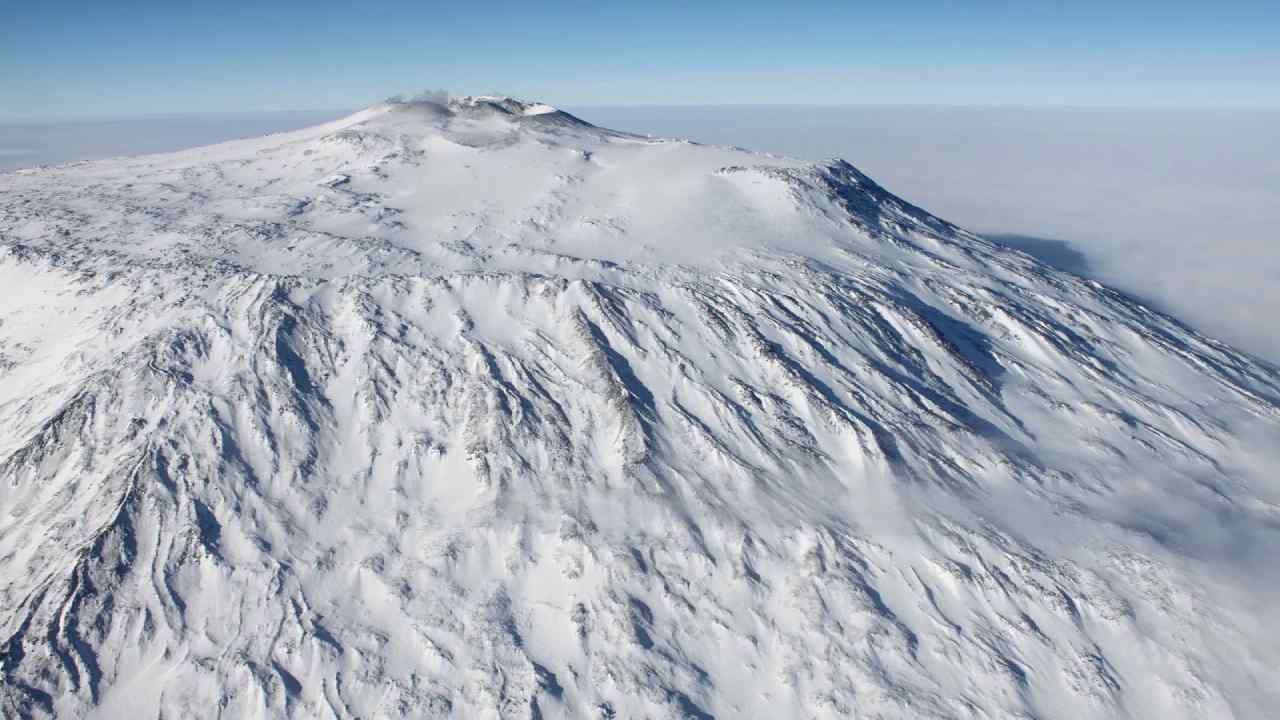
Trans to Find – Few places on Earth feel as extraordinary as Mount Erebus. Rising above the icy landscape of Ross Island in Antarctica, this remarkable volcano is famous for one of the world’s rare permanent lava lakes. While endless snow and glaciers dominate the surrounding environment, glowing molten rock continues moving inside its summit crater. This striking contrast between fire and ice creates a destination unlike anywhere else on the planet. Moreover, Mount Erebus attracts scientists, explorers, and adventure enthusiasts who want to witness one of nature’s most fascinating geological phenomena. Although reaching the volcano is extremely difficult, its uniqueness continues to inspire curiosity across the world.
Mount Erebus Is Antarctica’s Southernmost Active Volcano
Mount Erebus stands approximately 3,794 meters above sea level, making it the southernmost active volcano on Earth. Located on Ross Island, it overlooks one of the harshest environments ever explored by humans. Unlike many volcanoes that remain dormant for long periods, Mount Erebus maintains continuous volcanic activity. Nevertheless, its eruptions are generally moderate compared with explosive volcanoes found elsewhere. Because of this relatively stable behavior, researchers have been able to monitor its activity for decades. Consequently, the volcano has become one of the most valuable natural laboratories for studying volcanic systems in extreme polar conditions.
A Rare Permanent Lava Lake Captivates Scientists
The greatest attraction of Mount Erebus is its remarkable permanent lava lake. Only a handful of volcanoes around the world contain lava lakes that remain active for extended periods. At Mount Erebus, molten lava constantly circulates within the crater, creating an ever-changing surface of glowing rock. Occasionally, volcanic gases produce small explosions that launch lava fragments into the air before they fall back into the crater. Although this activity sounds dramatic, it provides researchers with an exceptional opportunity to observe magma movement without waiting for a major eruption. As a result, the volcano remains one of the most studied volcanic sites on Earth.
Read Also: Anthropic Expands Claude with Massive AMD AI GPU Deal Worth Up to 2 Gigawatts of Computing Power
Fire And Ice Create A Truly Unreal Landscape
One of the most unforgettable aspects of Mount Erebus is the dramatic contrast between intense heat and extreme cold. Inside the crater, lava temperatures exceed 1,000 degrees Celsius, while the surrounding Antarctic environment often falls below minus 40 degrees Celsius. This unusual combination creates scenery that appears almost impossible. Snow-covered mountains, frozen glaciers, and steaming volcanic vents exist within the same landscape. Consequently, many travelers and photographers describe Mount Erebus as one of the closest places on Earth to another planet. Its surreal appearance continues to fascinate anyone who studies or visits Antarctica.
Ice Towers Add Another Extraordinary Natural Feature
Beyond its lava lake, Mount Erebus is also famous for its impressive ice towers, often called ice fumaroles. These remarkable structures form when volcanic steam rises through thick snow before freezing into towering ice chimneys. Some of these formations reach several meters in height and contain warm interior chambers created by geothermal heat. Interestingly, scientists have discovered microorganisms living inside these protected environments despite Antarctica’s severe climate. These discoveries have encouraged researchers to compare Mount Erebus with icy worlds elsewhere in the solar system. Therefore, the volcano contributes valuable knowledge to both geology and astrobiology.
Visiting Mount Erebus Requires Careful Planning
Unlike popular tourist destinations, Mount Erebus remains extremely difficult to access. There are no regular sightseeing tours because the volcano lies deep within Antarctica’s protected wilderness. Most visitors reach the region through scientific expeditions or specialized polar exploration programs. Furthermore, unpredictable weather, powerful winds, and freezing temperatures create significant logistical challenges. Travelers also need specialized equipment and experienced guides to ensure safety. Although the journey demands careful preparation, those fortunate enough to visit experience one of the planet’s most remote and unforgettable natural environments.
Mount Erebus Plays A Vital Role In Scientific Research
Scientists from around the world continue studying Mount Erebus because it offers rare opportunities unavailable elsewhere. Volcanologists monitor magma movement and gas emissions to better understand volcanic processes. Meanwhile, geologists examine ancient lava flows that reveal Earth’s geological history. At the same time, microbiologists investigate microorganisms that survive within the volcano’s warm ice caves. These discoveries help researchers understand how life adapts to extreme environments. Some experts even believe provides valuable clues for future missions searching for life on icy moons such as Europa or Enceladus.
Why Mount Erebus Inspires Adventure And Curiosity
Adventure travelers often dream of exploring places that remain untouched by mass tourism. Mount Erebus perfectly represents that spirit of discovery. Instead of luxury resorts or crowded viewpoints, visitors encounter pristine glaciers, dramatic volcanic landscapes, and complete silence interrupted only by nature itself. Moreover, the volcano symbolizes Earth’s incredible ability to create beauty through opposing forces. Fire and ice exist together in remarkable harmony, reminding visitors how diverse our planet truly is. This powerful contrast leaves a lasting impression that few destinations can match.
Remains One Of Earth’s Greatest Natural Wonders
Mount Erebus continues to stand as one of the world’s most extraordinary geological landmarks. Its permanent lava lake, frozen surroundings, towering ice fumaroles, and remote Antarctic location combine to create an experience unlike any other. Although only a small number of people will ever reach its summit, millions remain fascinated by its remarkable story. As interest in unique travel destinations continues growing, will likely remain an enduring symbol of exploration, scientific discovery, and the breathtaking power of nature. It proves that some of Earth’s greatest wonders still exist far beyond the ordinary paths of tourism.