Why Kyoto Remains One of Asia’s Most Magical Travel Destinations
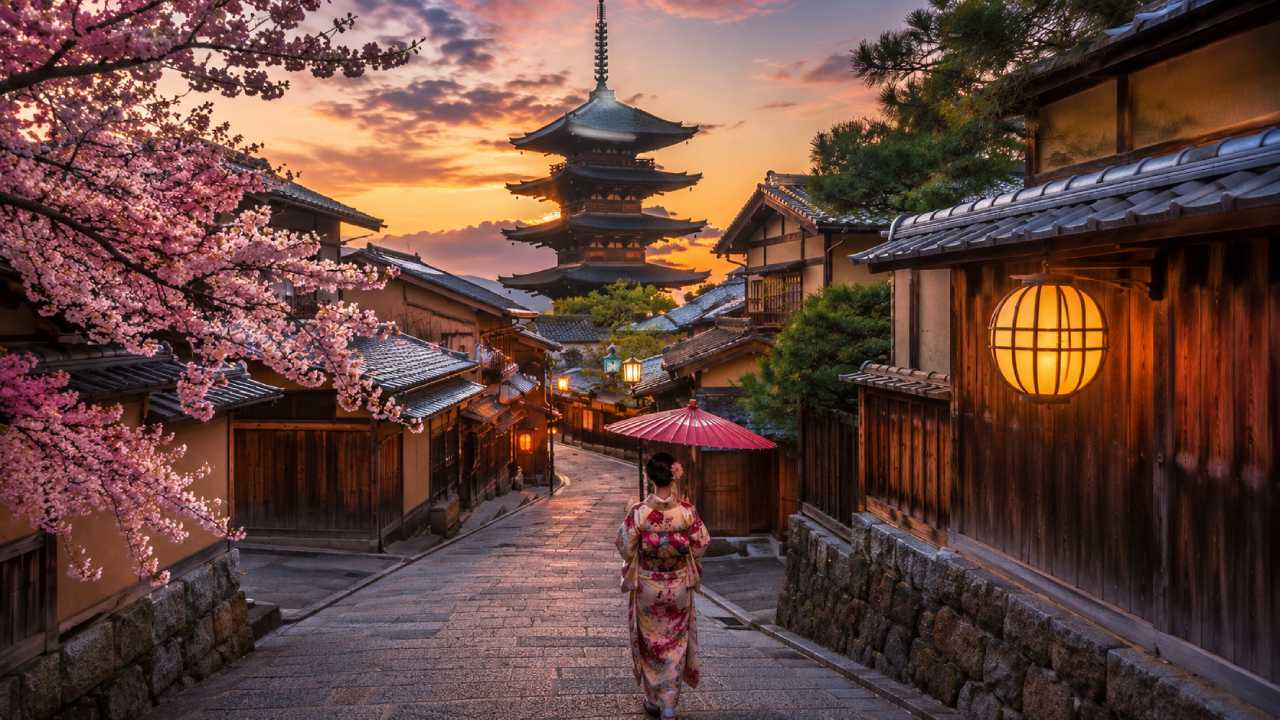
Trans to Find – Kyoto Remains one of the most captivating destinations in Asia, even as modern cities continue to reshape the travel landscape. While countless places compete for attention through luxury attractions and futuristic developments, Kyoto offers something remarkably different. It provides a rare opportunity to experience centuries of history, tradition, and natural beauty in a single journey. Walking through its ancient streets often feels like stepping into another era. At the same time, visitors can enjoy world-class hospitality, exceptional cuisine, and modern comforts. Consequently, Kyoto appeals to travelers seeking meaningful experiences rather than simply checking landmarks off a list. Its unique ability to balance the past and present is one reason why millions of visitors continue to place Kyoto at the top of their travel wish lists.
A City Where History Lives in Every Corner
One of the most remarkable aspects of Kyoto is its deep connection to Japan’s cultural heritage. As the country’s imperial capital for more than one thousand years, the city has preserved countless historical treasures. Ancient temples, traditional wooden houses, and carefully maintained gardens remain part of everyday life. Moreover, many districts have retained their original character despite rapid modernization elsewhere. As visitors explore Kyoto, they often encounter scenes that seem untouched by time. This authenticity creates a powerful emotional connection that many modern destinations struggle to achieve. Therefore, Kyoto remains a living museum where history is not merely displayed but actively experienced.
The Timeless Beauty of Kyoto’s Temples and Shrines
Kyoto is home to some of Japan’s most iconic religious sites. From golden pavilions reflecting across peaceful ponds to hillside temples surrounded by forests, each location tells its own story. Furthermore, these sacred places offer more than architectural beauty. They provide moments of reflection and tranquility that resonate with travelers from different cultures. Many visitors describe their experiences at Kyoto’s temples as transformative because the atmosphere encourages mindfulness and appreciation. Consequently, the city’s spiritual landmarks continue attracting millions of tourists each year. Their enduring appeal demonstrates how cultural significance can remain relevant across generations.
Read Also: China Condemns Japan and Philippines Maritime Talks as Regional Tensions Continue to Rise
Every Season Brings a New Reason to Visit
Unlike destinations that shine during a single season, Kyoto offers unique experiences throughout the year. During spring, cherry blossoms transform parks, temples, and riversides into breathtaking landscapes. Meanwhile, summer festivals bring vibrant energy and centuries-old traditions to the streets. Autumn introduces brilliant red and golden foliage that attracts photographers from around the world. Finally, winter blankets historic neighborhoods in a quiet elegance rarely seen elsewhere. As a result, Kyoto constantly reinvents itself through nature’s changing rhythms. This seasonal diversity encourages many travelers to return multiple times, each visit revealing a completely different side of the city.
Traditional Culture Continues to Thrive
Many destinations preserve culture through museums, yet Kyoto integrates tradition into daily life. Visitors can witness tea ceremonies, observe skilled artisans, and occasionally encounter geisha moving gracefully through historic districts. Furthermore, traditional crafts such as pottery, textile production, and paper-making remain active industries. These experiences allow travelers to engage with Japanese culture in authentic and meaningful ways. Consequently, Kyoto feels less like a tourist attraction and more like a community that genuinely values its heritage. In my opinion, this authenticity is one of the city’s greatest strengths because it creates memorable experiences that extend beyond sightseeing.
Kyoto’s Culinary Scene Is a Journey of Its Own
Food plays an essential role in Kyoto’s identity. While many travelers associate Japanese cuisine with sushi and ramen, Kyoto offers a more refined culinary experience rooted in seasonal ingredients and centuries-old techniques. Traditional kaiseki dining showcases exceptional craftsmanship through carefully prepared multi-course meals. Additionally, local markets provide opportunities to sample regional specialties and street food. The emphasis on freshness and presentation reflects broader Japanese cultural values. Therefore, dining in Kyoto often feels like participating in an artistic tradition rather than simply eating a meal. This unique culinary culture significantly enhances the city’s appeal as a travel destination.
The Perfect Balance Between Tradition and Modern Comfort
Although Kyoto celebrates its historical roots, it also embraces modern conveniences. Efficient transportation, excellent accommodations, and high standards of hospitality make exploring the city remarkably easy. Furthermore, visitors can transition seamlessly from ancient temples to contemporary cafés and boutique hotels. This balance ensures that travelers enjoy authentic cultural experiences without sacrificing comfort. Consequently, Kyoto appeals to a wide range of visitors, including solo travelers, couples, families, and luxury tourists. Few destinations manage to preserve tradition while adapting successfully to modern expectations. Kyoto’s ability to achieve this balance contributes significantly to its enduring popularity.
Why Travelers Keep Returning to Kyoto
Many destinations are enjoyable to visit once, yet Kyoto inspires repeat journeys. The city offers countless hidden temples, charming neighborhoods, and seasonal events that cannot be fully explored during a single trip. Moreover, Kyoto encourages slower travel by rewarding curiosity and exploration. Visitors often discover unexpected moments of beauty while wandering quiet alleys or peaceful gardens. These experiences create personal connections that remain memorable long after the journey ends. Therefore, many travelers view Kyoto not as a destination to complete but as a place to revisit repeatedly. Each visit reveals new perspectives and deeper appreciation.
Kyoto Represents the Soul of Japanese Travel
For many international visitors, Kyoto embodies the essence of Japan. While cities like Tokyo showcase innovation and modernity, Kyoto highlights the traditions and cultural values that have shaped the nation for centuries. Its temples, gardens, cuisine, and communities collectively tell a story of resilience and continuity. Furthermore, Kyoto demonstrates how preserving heritage can enrich contemporary life rather than limit progress. In my view, this balance explains why the city continues captivating travelers from around the world. As global tourism evolves, Kyoto remains a powerful reminder that authentic cultural experiences will always hold lasting value. Ultimately, its enduring charm ensures that it will remain one of Asia’s most magical travel destinations for generations to come.