The Eiffel Tower in Paris, the World’s Most Popular Tourist Destination
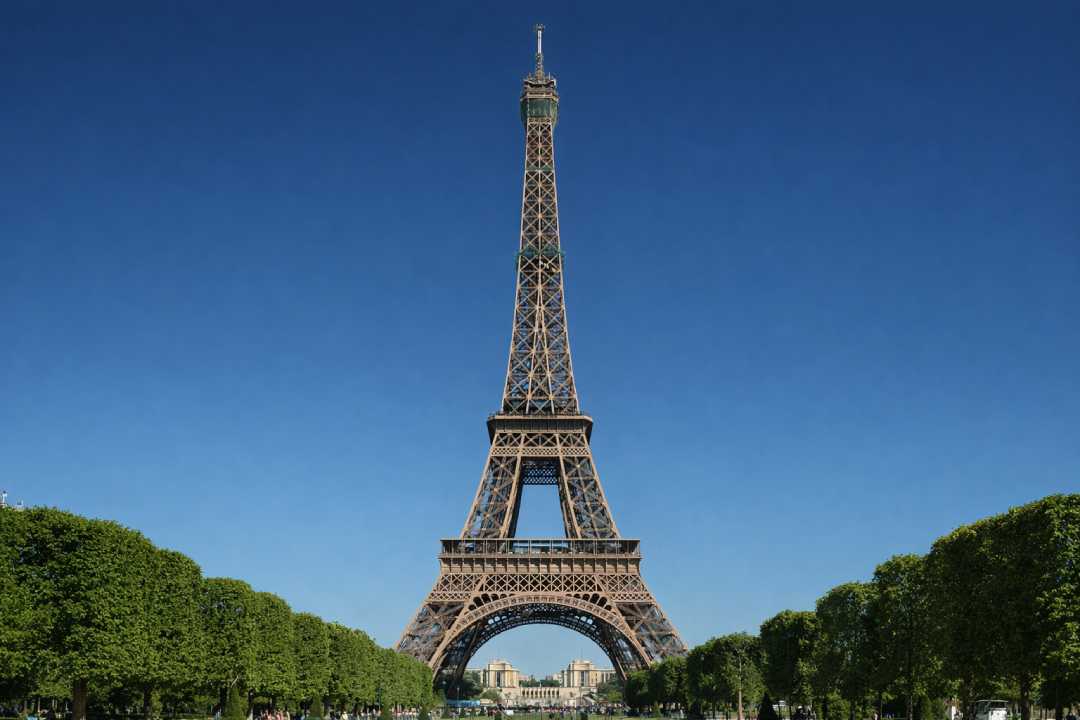
Trans to Find – The Eiffel Tower in Paris is widely recognized as one of the most iconic landmarks in the world. Located on the Champ de Mars near the Seine River, this remarkable structure attracts millions of visitors every year. At first glance, the tower’s iron lattice design may appear simple. However, its elegance and engineering brilliance have made it a symbol of France and international tourism. Since its completion in 1889, the tower has transformed from a controversial architectural experiment into a beloved global monument. Today, travelers from different cultures gather around it to admire its beauty, take photographs, and experience the charm of Paris. Because of its historical importance and visual appeal, the Eiffel Tower continues to inspire travelers, artists, and architects around the world.
The Historical Origins of the Eiffel Tower in Paris
The Eiffel Tower in Paris was originally built as the centerpiece of the 1889 Exposition Universelle, a world fair celebrating the 100th anniversary of the French Revolution. The tower was designed by engineer Gustave Eiffel and his team, who aimed to demonstrate the possibilities of modern engineering. Interestingly, the project faced strong criticism at the beginning. Many artists and intellectuals argued that the iron structure would ruin the aesthetic beauty of Paris. Nevertheless, construction continued, and the tower was completed after two years of intense work. When the exposition opened, visitors were amazed by the tower’s height and innovative design. Over time, the criticism faded, and the structure became a proud symbol of French creativity and industrial progress.
“Read Also: What Is Safe Mode on Android? Understanding Its Function and How It Helps Fix Smartphone Problems“
Architectural Brilliance Behind the Eiffel Tower in Paris
The Eiffel Tower in Paris stands approximately 330 meters tall, making it one of the tallest structures in Europe when it was first built. Its iron framework consists of more than 18,000 metal pieces connected by millions of rivets. Although the design appears delicate, the tower is extremely strong and capable of withstanding powerful winds. Engineers carefully calculated the curved shape of the structure to ensure stability and balance. As a result, the tower remains remarkably resilient more than a century after its construction. From an engineering perspective, the Eiffel Tower demonstrates how mathematical precision and creative design can coexist in architecture. Even today, engineers and architects study the tower as a masterpiece of structural innovation.
Why the Eiffel Tower in Paris Attracts Millions of Visitors
The Eiffel Tower in Paris remains one of the most visited paid monuments in the world. Every year, millions of travelers climb its observation decks to enjoy panoramic views of the city. From the top, visitors can see famous landmarks such as the Seine River, the Louvre Museum, and the Arc de Triomphe. Moreover, the tower’s location in the heart of Paris makes it easily accessible for tourists. In addition, the surrounding parks and gardens provide a relaxing atmosphere where visitors can enjoy picnics or evening walks. Because of this combination of history, architecture, and scenery, the Eiffel Tower continues to offer a memorable travel experience for people of all ages.
The Romantic Image of the Eiffel Tower in Paris
The Eiffel Tower in Paris is often associated with romance and unforgettable memories. Many couples visit the tower to celebrate anniversaries, engagements, or honeymoons. Particularly at night, the tower becomes even more magical when thousands of lights illuminate its structure. Every hour after sunset, sparkling lights create a dazzling display that attracts crowds of spectators. Consequently, the Eiffel Tower has become a symbol of love and romance worldwide. Movies, novels, and travel photography frequently use the tower as a backdrop to represent the romantic spirit of Paris. From my perspective, this emotional connection is one of the reasons why the monument remains timeless and meaningful to visitors.
Cultural Influence of the Eiffel Tower in Paris
The Eiffel Tower in Paris has influenced art, literature, cinema, and fashion for more than a century. Artists often portray the tower in paintings, photographs, and digital art. Meanwhile, filmmakers frequently feature it in scenes that introduce the city of Paris to global audiences. Additionally, fashion designers have used the tower as inspiration for collections and runway themes. This cultural impact shows that the tower is not merely a tourist attraction but also a powerful artistic symbol. Because of its distinctive silhouette, the structure instantly communicates the identity of Paris and French culture.
Modern Technology and the Eiffel Tower in Paris
Although the Eiffel Tower in Paris was built in the nineteenth century, it continues to adapt to modern technology. Today, the tower hosts antennas that support radio and television broadcasting. These installations have played an important role in communication systems throughout France. In addition, recent renovations have improved visitor facilities, including glass floors, digital displays, and interactive exhibits. These upgrades allow tourists to learn about the tower’s history while enjoying a modern travel experience. Consequently, the Eiffel Tower successfully blends historical heritage with contemporary innovation.
The Future Legacy of the Eiffel Tower in Paris
The Eiffel Tower in Paris remains one of the most influential monuments in global tourism. Its enduring popularity proves that architecture can become a powerful symbol of cultural identity and human creativity. Looking ahead, the tower will likely continue attracting travelers for generations to come. Paris authorities regularly invest in preservation and modernization projects to maintain its condition. As a result, the monument remains both historically authentic and accessible for modern visitors. In my opinion, the Eiffel Tower represents more than a tourist attraction. Instead, it symbolizes how engineering, culture, and history can unite to create a timeless masterpiece.