Sleep Tourism Becomes One of the Fastest-Growing Travel Trends of 2026
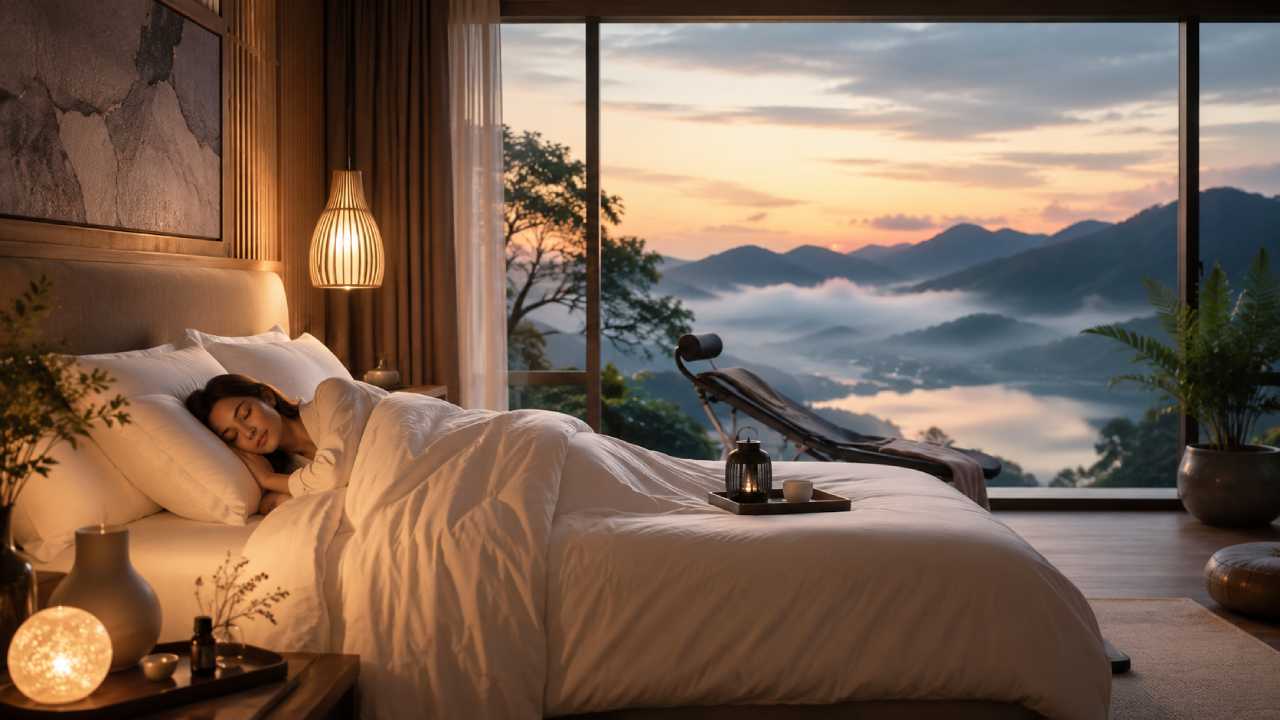
Trans to Find – Sleep Tourism is quickly becoming one of the most fascinating travel trends of 2026. Traditionally, people traveled to explore new destinations, experience local cultures, or enjoy exciting adventures. However, travelers today are increasingly seeking something different. Instead of filling every hour with activities, many now prioritize rest and recovery. As a result, hotels and wellness resorts are responding by creating experiences designed specifically to improve sleep quality. This shift reflects a growing awareness that proper rest plays an essential role in overall well-being. Consequently, Sleep Tourism has evolved from a niche concept into a rapidly expanding segment within the travel industry.
Why Travelers Are Prioritizing Better Sleep
Modern lifestyles have become increasingly demanding. Long working hours, constant notifications, and digital distractions often leave people feeling exhausted. Therefore, many travelers are searching for vacations that offer genuine recovery rather than additional stimulation. Sleep Tourism addresses this need by focusing on relaxation and restorative sleep. Furthermore, travelers are beginning to recognize that quality sleep can positively influence physical health, mental clarity, and emotional balance. Because of these benefits, sleep-centered vacations are becoming an attractive alternative to traditional sightseeing trips.
Hotels Are Investing in Sleep-Focused Experiences
As demand grows, hotels around the world are investing heavily in sleep-focused amenities. Many luxury properties now offer premium mattresses, customized pillow menus, blackout curtains, and soundproof rooms. In addition, some hotels provide sleep consultations and wellness assessments before guests arrive. These personalized services help create an environment that supports deeper and more restorative sleep. Consequently, accommodations that once competed primarily on location and luxury are now differentiating themselves through sleep-enhancing experiences.
Read Also: How Villanova Built the Brotherhood Behind the New York Knicks’ Remarkable NBA Finals Journey
Technology Plays an Important Role
Technology has also become a major part of Sleep Tourism. Many hotels now incorporate smart systems that monitor room temperature, lighting, and air quality. Moreover, some properties offer wearable devices that track sleep patterns and provide personalized recommendations. These innovations allow travelers to better understand their sleep habits while enjoying a comfortable vacation experience. Although technology is often blamed for sleep problems, it is now being used as a tool to improve rest and recovery. Therefore, the combination of wellness and innovation continues to strengthen the appeal of Sleep Tourism.
Wellness Travel and Sleep Tourism Go Hand in Hand
Sleep Tourism is closely connected to the broader wellness travel movement. Over the past decade, travelers have increasingly sought experiences that improve their health and quality of life. Yoga retreats, spa vacations, and mindfulness programs have all gained popularity. Meanwhile, sleep has emerged as one of the most important pillars of wellness. As a result, many wellness resorts now include sleep-focused activities alongside traditional health programs. This combination creates a more holistic travel experience that addresses both physical and mental well-being.
Business Travelers Are Embracing the Trend
Interestingly, Sleep Tourism is not limited to leisure travelers. Business professionals are also becoming an important part of this growing market. Frequent travelers often struggle with jet lag, irregular schedules, and disrupted sleep patterns. Therefore, sleep-focused accommodations offer valuable benefits that help them perform at their best. Many hotels now provide specialized recovery programs designed specifically for corporate guests. Consequently, Sleep Tourism is expanding beyond the wellness sector and attracting a broader range of travelers.
Sleep Tourism Reflects Changing Consumer Priorities
The rise of Sleep Tourism highlights a significant shift in consumer behavior. In previous years, travelers often measured a successful trip by the number of attractions visited. Today, many people value personal well-being just as much as memorable experiences. Furthermore, younger generations are increasingly investing in self-care and preventive health practices. Because of these changing priorities, travel choices are becoming more aligned with long-term wellness goals. Sleep Tourism perfectly reflects this transformation by placing health and recovery at the center of the travel experience.
The Future Looks Bright for Sleep Tourism
Looking ahead, Sleep Tourism shows strong potential for continued growth. The increasing awareness of sleep health, combined with rising interest in wellness travel, creates favorable conditions for long-term success. Additionally, hotels and resorts continue developing innovative programs that cater to travelers seeking rest and rejuvenation. While travel trends often come and go, the need for quality sleep remains universal. For that reason, Sleep Tourism is likely to remain one of the most influential lifestyle travel trends for years to come. As more people recognize the value of restorative rest, this unique form of travel may become an essential part of modern wellness culture.