The Beauty and Mystery of Easter Island: Unveiling Its Secrets
Trans to Find – Easter Island, or Rapa Nui, is one of the most remote places on Earth. Located in the southeastern Pacific Ocean, it lies over 2,000 miles from the nearest inhabited land. Despite its isolation, Easter Island is world-renowned for its captivating landscapes and its mysterious history. The island’s unique features, from its monumental stone statues to its rich cultural heritage, continue to intrigue scholars and travelers alike. This small island, measuring only 14 miles long and 7 miles wide, has captured the imagination of many, serving as both a symbol of human ingenuity and a reminder of the complexities of history.
“Read also: From California to Sweden, a Search for Adventure Meets Unexpected Silence“
The Moai Statues: Symbols of Power and Mystery
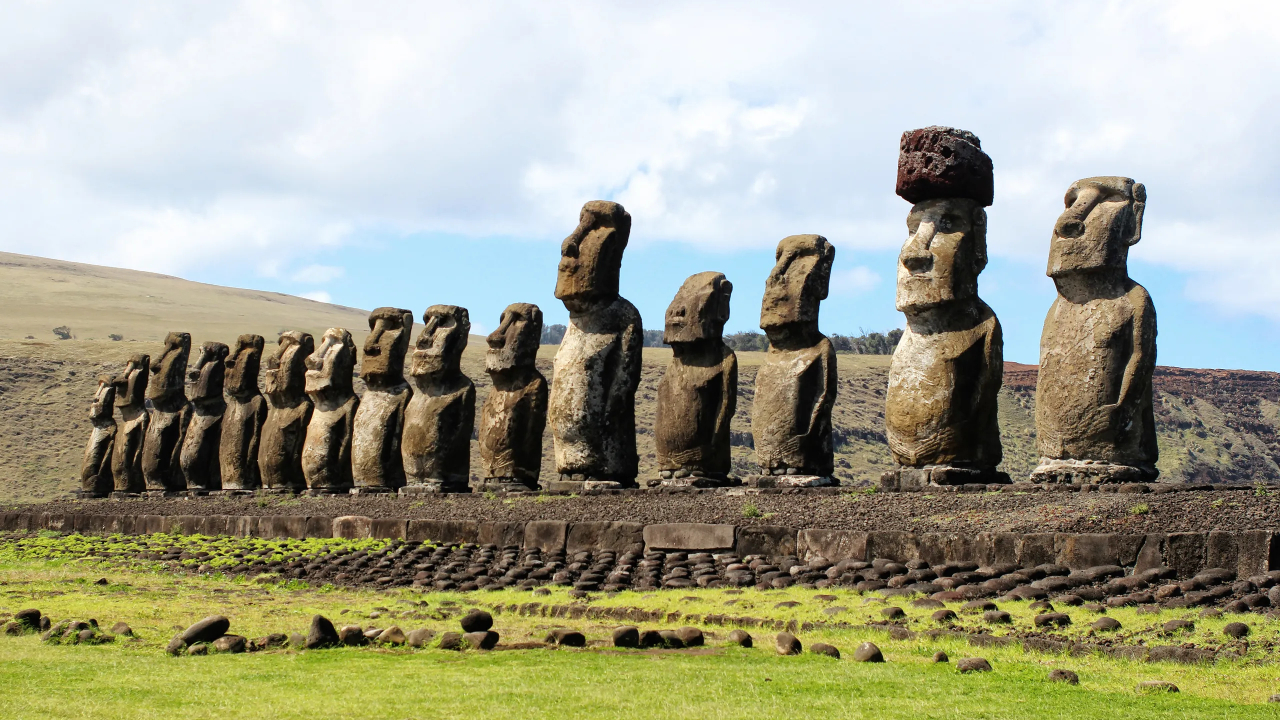
One of the most iconic aspects of Easter Island is its Moai statues—massive stone figures that dot the island’s landscape. These statues, which range in size from 6 to 33 feet tall, are believed to represent the deified ancestors of the Rapa Nui people. The Moai were carved from volcanic tuff and placed on stone platforms known as Ahu, which are also considered sacred sites. Their eyes, once made of coral and stone, give them a life-like presence that has fascinated researchers for centuries. The Moai statues serve not only as a testament to the artistic and architectural skills of the Rapa Nui people but also as an expression of their social structure. Each Moai was created to honor important leaders or spiritual figures, reflecting the community’s reverence for their ancestors. The mystery, however, lies in how these statues were moved across the island, as the technology available to the Rapa Nui people at the time was relatively simple compared to modern engineering techniques.
The Collapse of the Rapa Nui Civilization
While the Moai statues are a symbol of the island’s grandeur, they also represent the eventual decline of the Rapa Nui civilization. Scholars believe that the once-thriving society of Easter Island collapsed due to a combination of factors, including deforestation, resource depletion, and internal conflict. The island was heavily forested when the first Polynesian settlers arrived, but as the population grew, the demand for timber increased. The deforestation that followed severely impacted the island’s environment, leading to soil erosion and the collapse of agriculture. Furthermore, the large-scale construction and transportation of the Moai statues required significant resources, including wood and manpower, which further strained the island’s environment. This unsustainable exploitation of resources, coupled with the arrival of European settlers and the introduction of diseases, contributed to the decline of the Rapa Nui civilization. Today, the once-thriving society is a shadow of its former self, with the Moai statues serving as silent witnesses to the island’s past.
Easter Island’s Unique Ecosystem: A Natural Wonder
Despite the island’s complex history, Easter Island remains a natural wonder. Its volcanic landscape, featuring craters, lava tubes, and jagged cliffs, provides a stunning backdrop to the island’s cultural and historical landmarks. The island is home to unique species of plants and animals, some of which are found nowhere else on Earth. The native flora, including the hardy Eugenia uniflora, a small evergreen tree, has adapted to the harsh conditions of the island, while bird species such as the Rapa Nui petrel continue to thrive in the remote island’s ecosystem. The island’s beaches, with their white sand and crystal-clear waters, are another attraction. While many of the island’s features are rooted in mystery and history, its natural beauty offers a peaceful escape for those who visit. Easter Island continues to captivate those who make the long journey to its shores, providing both a historical and natural treasure.
“Read also: A Winter Journey Through Cheshire: Walking the Sandstone Trail Between Two Timeless Pubs“
The Role of Easter Island in Modern Culture
In recent years, Easter Island has become a cultural icon, not only for its Moai statues but also for its symbolic connection to the fragility of the environment. The island has become a symbol of the dangers of overexploitation and environmental degradation, as its own history serves as a cautionary tale. The lessons of Easter Island have been cited in discussions about sustainability, resource management, and the impact of human activity on the planet. Easter Island’s cultural influence extends beyond environmental discussions. It has become a subject of fascination in popular culture, appearing in films, documentaries, and books that explore its mysterious past and the ongoing efforts to preserve its heritage. The island’s role in shaping global conversations about sustainability and conservation has made it a key figure in the broader discourse on environmental responsibility.
Efforts to Preserve Easter Island’s Heritage
In response to the challenges of preserving the island’s history and natural beauty, various organizations and the Chilean government have launched initiatives to protect Easter Island. Efforts focus on both the preservation of the Moai statues and the protection of the island’s delicate ecosystem. The Rapa Nui National Park, which covers much of the island, has been designated a UNESCO World Heritage Site, ensuring international recognition and protection for its cultural and environmental significance. In addition to protecting the Moai, conservation efforts are also aimed at preventing further environmental degradation. Programs aimed at reforestation, soil restoration, and sustainable tourism are helping to mitigate some of the long-term effects of human activity on the island. By balancing cultural preservation with environmental sustainability, these initiatives seek to ensure that Easter Island’s beauty and mystery are preserved for future generations.
The Continuing Mystery of Easter Island
Despite all that is known about Easter Island, many questions remain unanswered. The island’s history is still shrouded in mystery, particularly regarding the transportation of the Moai statues and the ultimate collapse of the Rapa Nui civilization. While researchers have made great strides in understanding the island’s past, the island continues to hold many secrets, waiting to be uncovered. Each new discovery adds to the allure of Easter Island, ensuring that its story will continue to captivate the world for generations to come.
A Timeless Destination of Beauty and Mystery
Easter Island is much more than just a remote landmass in the Pacific. It is a symbol of the intersection between human achievement and environmental vulnerability. The Moai statues stand as both marvels of ancient craftsmanship and reminders of the consequences of human action on the environment. The island’s natural beauty and its cultural heritage make it a destination that continues to draw visitors from all over the world, eager to uncover its mysteries and reflect on the lessons it holds. As we look to the future, Easter Island serves as a reminder that the beauty of our planet must be cherished and protected. Its history, its mysteries, and its lessons will continue to inspire those who seek to understand the delicate balance between humanity and the environment.