Diving in Aruba, Exploring World War II Wrecks Beneath the Caribbean Sea
Trans to Find – Diving in Aruba offers a different way to experience this Caribbean island. Beyond white beaches and clear blue water, another world waits beneath the surface. Historic shipwrecks now rest among tropical marine life, creating an unusual setting for underwater exploration. One of the most famous is the Antilla, a German freighter that sank off Aruba in 1940. Today, its enormous structure has become one of the island’s signature diving attractions.
Diving in Aruba Reveals Another Side of the Island
Aruba may look like the perfect destination for slow mornings and relaxing beach days. However, going underwater changes the atmosphere completely. The sounds of the coast fade as divers descend into blue Caribbean water. Soon, coral formations and tropical fish begin to fill the view. Then, the silhouette of a shipwreck can appear in the distance. That transition makes the experience memorable. Instead of simply observing marine life, divers enter an underwater landscape shaped by both nature and history.
The Antilla Creates a Dramatic Underwater Scene
The Antilla is especially impressive because of its scale. The German freighter measures roughly 121 meters long and rests in relatively shallow water off Aruba’s northwest coast. Its story dates to May 1940, when the crew deliberately sank the vessel as Dutch authorities moved to seize it following Germany’s invasion of the Netherlands. More than eight decades later, the wreck remains beneath the Caribbean Sea. Its size and accessibility have helped turn it into one of Aruba’s best-known underwater landmarks.
Read Also: Kimi K3.1 Pro Launches With AI Scores Close to Claude Opus 5.5
An Old Ship Has Slowly Become a Living Habitat
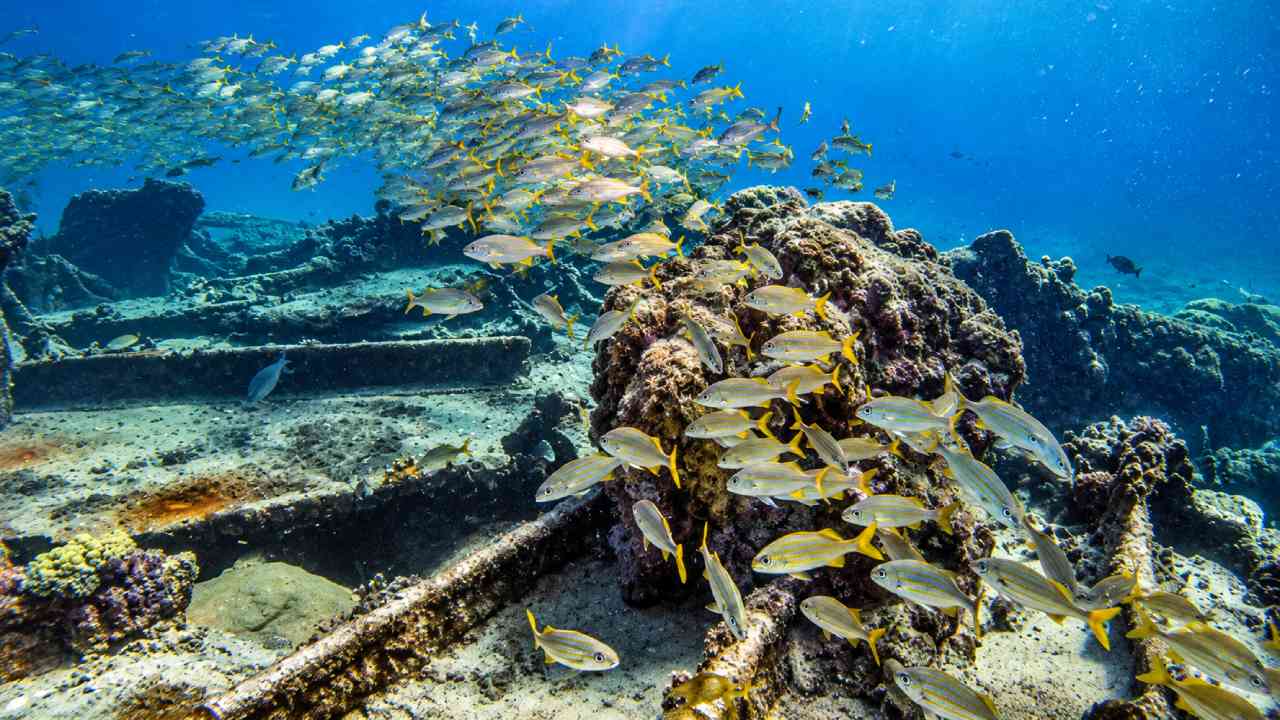
Time has given the Antilla a completely different identity. Sections of steel that once belonged to a working vessel are now covered with marine growth. Sponges and coral formations occupy parts of the structure, while tropical fish move around its openings. Lobsters and other marine creatures can also be found around the wreck. Therefore, the experience is not limited to looking at an old ship. Divers are also watching nature gradually transform a human-made structure into part of the underwater environment.
Clear Caribbean Water Makes Every Detail More Striking
The visual experience is another reason Diving in Aruba can feel special. Tropical sunlight filters through the water and creates changing patterns across the wreck. From farther away, the Antilla may first appear as a huge dark shape. As divers approach, individual sections become easier to recognize. Meanwhile, fish moving across the structure add color and motion. These conditions can also create interesting opportunities for underwater photography, especially when a diver appears beside the wreck and reveals its impressive scale.
Wreck Diving Adds Adventure to a Tropical Escape
For lifestyle travelers, wreck diving offers an appealing contrast to the usual Caribbean routine. A vacation does not need to revolve only around beaches, pools, and sunset drinks. Instead, travelers can spend part of the morning exploring underwater and return to a slower island rhythm afterward. This combination makes Aruba suitable for people who enjoy both relaxation and adventure. More importantly, it creates variety. One part of the day can feel energetic and mysterious, while the next can be calm and effortless.
The Pedernales Offers Another Connection to World War II
The Antilla is not Aruba’s only underwater link to World War II. The Pedernales wreck also carries a wartime story. The oil tanker was torpedoed by a German submarine in 1942, and sections of the damaged vessel remain in shallow water. Today, the site is known as an accessible wreck dive, particularly for less experienced divers. As a result, travelers interested in underwater history have more than one location to explore around the island.
Safety Matters More Than Capturing the Perfect Photo
Although shipwrecks create dramatic photographs, divers should never treat them like ordinary tourist props. Conditions can change, and old structures may contain unstable sections or confined spaces. For this reason, divers should choose sites that match their certification and experience. Local knowledge also matters because currents, visibility, and sea conditions can vary. Entering enclosed areas of a wreck requires additional skills and proper training. Staying within personal limits may sound simple, but it remains one of the most important parts of a good diving experience.
Responsible Diving Keeps the Experience Meaningful
Respect for the underwater environment should continue throughout the dive. Historic wrecks may look strong, yet decades beneath the sea can weaken their structures. At the same time, marine organisms may use those surfaces as habitat. Divers should avoid removing objects, damaging marine growth, or making unnecessary contact with the wreck. Good buoyancy control helps reduce accidental damage as well. In this way, responsible diving protects both the historical character of the site and the marine life that now surrounds it.
Adventure and Relaxation Can Share the Same Day
One of Aruba’s strongest lifestyle appeals is the ability to switch between completely different experiences without changing destinations. Travelers can start the morning on a dive boat and spend the next few hours exploring beneath the Caribbean Sea. Later, they can return to shore for lunch, walk along the beach, or simply watch the afternoon move at a slower pace. This balance makes the trip feel less repetitive. Instead of choosing between an active holiday and a relaxing escape, visitors can enjoy elements of both.
Diving in Aruba Turns a Vacation Into a Story
Ultimately, Diving in Aruba is memorable because the experience extends beyond seeing a shipwreck. It combines tropical scenery, marine life, adventure, and traces of history in one journey beneath the surface. The Antilla shows how dramatically the ocean can transform something built by people, while other wreck sites add more variety to Aruba’s underwater landscape. For travelers who want their Caribbean holiday to include more than beautiful beaches, exploring these wrecks offers a different perspective. Sometimes, the most fascinating side of an island is the one hidden beneath the sea.