Exploring the Beauty of Notre-Dame Cathedral: Paris’s Timeless Iconic Architecture
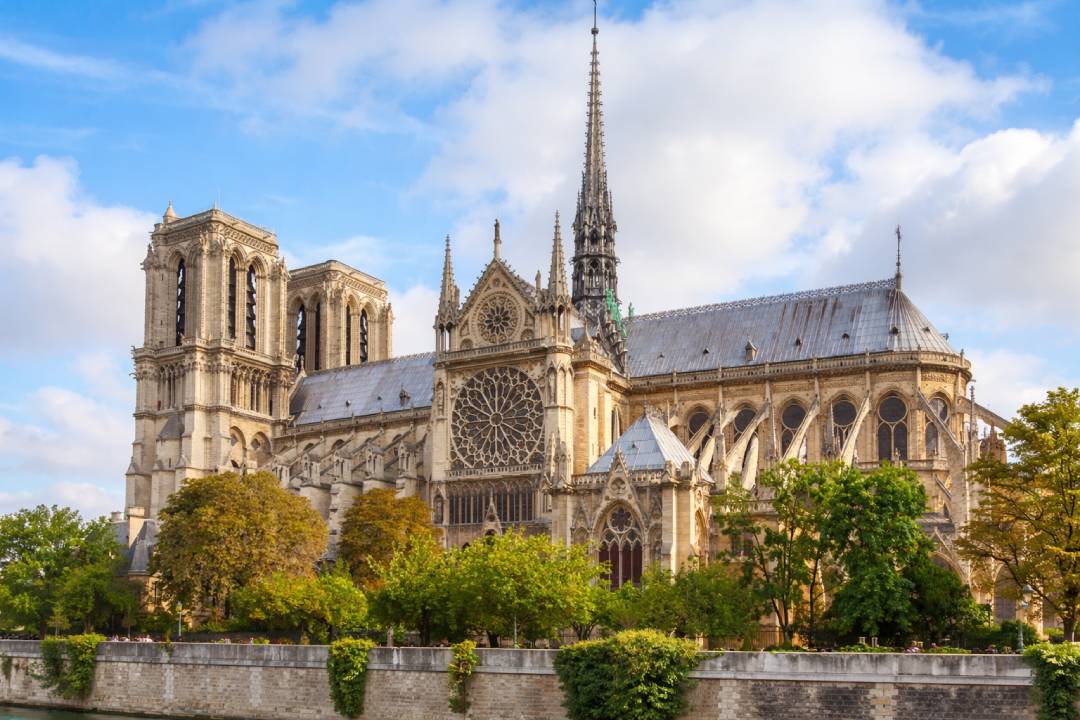
Trans to Find – Notre-Dame Cathedral stands proudly as one of Paris’s most iconic landmarks. This architectural gem has been a symbol of Paris for over 850 years. With its gothic grandeur, it has become a testament to human creativity and devotion. Its towering spires and intricate stained-glass windows tell a story of both artistic brilliance and religious significance. Additionally, as a central piece of Paris, Notre-Dame continues to attract millions of visitors each year. Every detail of the cathedral reflects a deep cultural heritage. Moreover, from the meticulously designed exterior to the serene interior, Notre-Dame is a marvel. It showcases the harmonious blend of form, function, and history.
The Beginnings of A Historical Marvel
Construction of the Notre-Dame Cathedral began in the late 12th century, under the reign of King Philip Augustus. Over the next two centuries, the work was carried out, making it a significant part of Parisian history. Furthermore, the cathedral’s design incorporated both Romanesque and early Gothic elements, setting the stage for the development of the Gothic style. Its massive structure was built to impress, intended to inspire awe in all who entered. In addition, the cathedral’s construction was not only a feat of engineering but also a cultural expression of the time. Consequently, it took countless skilled workers and artisans to bring this vision to life. Today, visitors marvel at its towering spires and intricate facades, which remain impressive. The cathedral still stands as a significant symbol of both religious and architectural achievement.
Read Also: Trump and Iran Clash Over Strait of Hormuz as Tensions Escalate Toward Deadline
The Architecture: A Perfect Blend of Form and Function
Notre-Dame is a perfect example of Gothic architecture, characterized by its innovative features. For instance, the flying buttresses allowed for taller walls and larger windows, creating an open and airy interior. Moreover, the cathedral’s pointed arches and ribbed vaults were revolutionary for their time. These structural elements contributed significantly to the cathedral’s grand scale and beauty. Additionally, Notre-Dame’s high ceilings and intricate stone carvings provide a sense of wonder. Furthermore, the stained-glass windows, particularly the three rose windows, are iconic examples of medieval craftsmanship. These features combine to create a space that is both awe-inspiring and functional. Therefore, Notre-Dame’s architecture remains a prime example of human ingenuity and design.
Notre-Dame’s Stained Glass Windows: A Story in Color
The stained-glass windows of Notre-Dame are one of its most breathtaking features. Particularly, the rose windows on each of its three facades are masterpieces. These windows depict biblical scenes, created using vibrant colors and intricate designs. Not only do the windows add beauty, but they also have a symbolic function, representing the light of God. The design of these windows allowed sunlight to pour into the cathedral, enhancing its spiritual atmosphere. Moreover, the glasswork is a testament to the medieval artisans’ skill and dedication. Today, these windows continue to captivate visitors with their intricate details and vibrant colors. They provide a glimpse into the artistic and religious significance of the era.
The Heart of Paris: Notre-Dame’s Role in the City
Located on the Île de la Cité, Notre-Dame Cathedral has always been at the heart of Paris. The cathedral has played a central role in religious, cultural, and political events for centuries. For example, it has witnessed coronations, national ceremonies, and even revolutions. Over the years, it has become a symbol of Parisian pride and resilience. As a result, Notre-Dame has been the focal point of the city, standing as both a religious center and a cultural icon. Its location on the Seine River makes it one of the most visited spots in Paris. For both locals and tourists, Notre-Dame represents the spirit of Paris. It continues to be an essential part of the city’s identity.
The Tragic Fire: A Wake-Up Call for Preservation
In 2019, a devastating fire severely damaged Notre-Dame Cathedral. Tragically, the fire destroyed parts of the roof and the iconic spire, leaving the city in shock. The fire was a heartbreaking loss for Paris and for the world, as Notre-Dame is a global cultural treasure. However, this tragedy also served as a wake-up call about the importance of preserving cultural heritage. In the wake of the fire, the event sparked a massive international response, with millions of dollars donated for the restoration of the cathedral. Consequently, it highlighted the fragility of historic monuments and the need for preservation efforts. The restoration of Notre-Dame became a global symbol of resilience and hope. Furthermore, the outpouring of support from around the world demonstrated the deep emotional connection people have to this landmark.
The Ongoing Restoration: A Testament to Resilience
Since the fire, the restoration of Notre-Dame Cathedral has been an immense undertaking. Restoration experts, including architects and craftsmen, are working tirelessly to bring the cathedral back to its former glory. The work includes repairing the damaged roof, restoring the spire, and preserving the structure’s historical integrity. The restoration is not just about rebuilding; it’s about ensuring the longevity of Notre-Dame for future generations. Therefore, the project is expected to take several years, with the goal of reopening the cathedral to the public in 2024. The effort involves a delicate balance of modern technology and traditional craftsmanship. As a result, the restoration is a testament to human resilience and dedication. It reflects the importance of preserving history while ensuring that such landmarks continue to inspire.
Notre-Dame’s Cultural Impact: Inspiring Generations
Notre-Dame Cathedral has had a profound impact on art, literature, and culture for centuries. For instance, the cathedral inspired the famous novel The Hunchback of Notre-Dame by Victor Hugo, which played a key role in raising awareness about the need to preserve the cathedral. Additionally, Notre-Dame’s beauty and history have made it a symbol of Paris in various forms of art and media. Over the years, it has been featured in countless films, paintings, and photographs, becoming a timeless representation of the city. Its influence extends beyond France, inspiring people worldwide. Consequently, its majestic architecture and rich history continue to captivate the imagination of generations. The cathedral is not only an architectural marvel but also a cultural beacon that continues to inspire.
A Symbol of Hope: The Future
Looking ahead, Notre-Dame Cathedral will remain a symbol of resilience, hope, and beauty. As restoration efforts continue, the cathedral will not only be restored physically but also emotionally. It will continue to serve as a place of worship, reflection, and inspiration for people around the world. Moreover, Notre-Dame’s legacy will endure, standing as a reminder of the power of history, art, and human perseverance. Through its restoration, Notre-Dame will remain a lasting symbol of the enduring spirit of Paris. It is a reminder of the beauty that can emerge even after tragedy, and a testament to the strength of human determination.