The Great Wall of China: A Monument to History and Culture
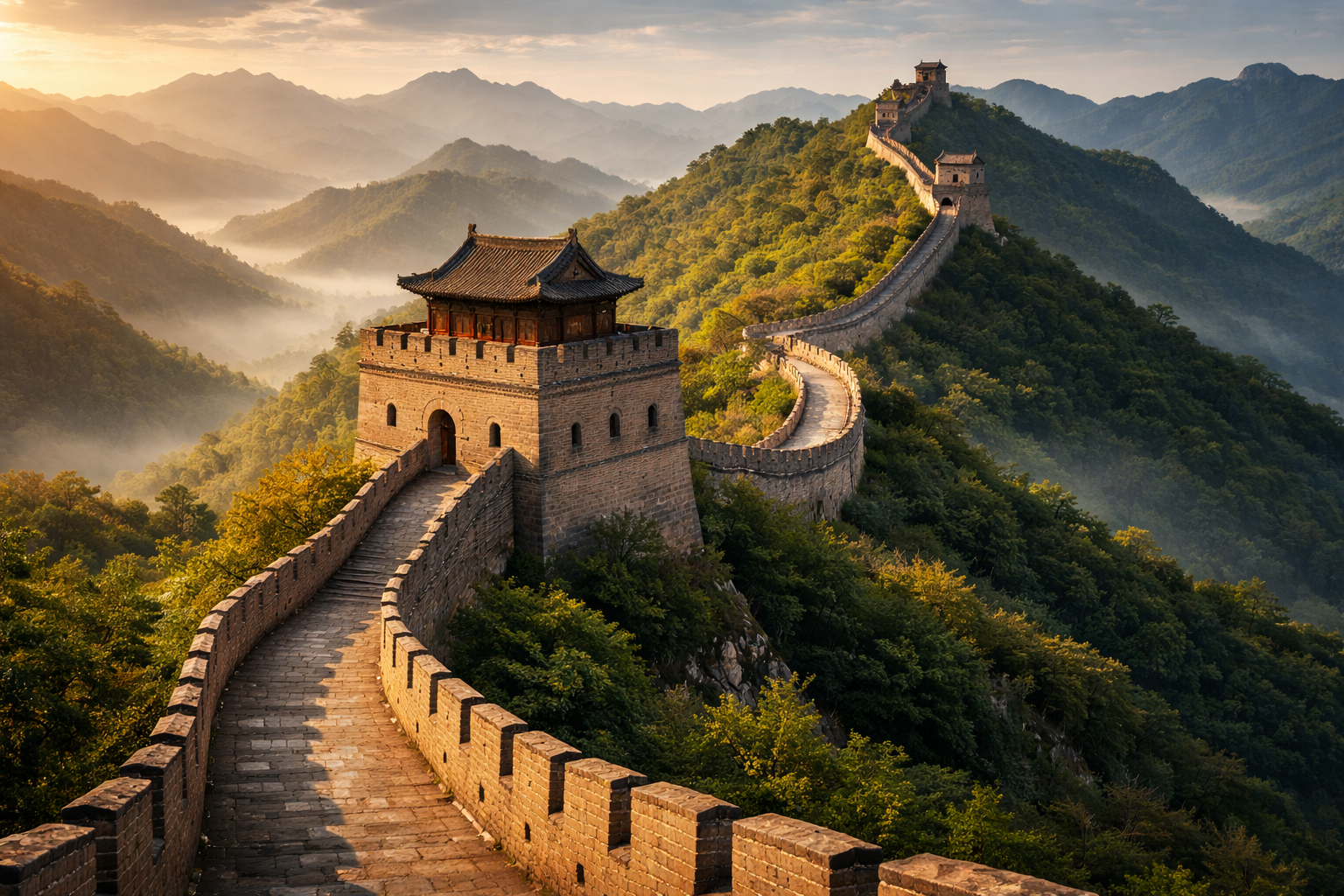
Trans to Find – Tembok Cina Raksasa, or the Great Wall of China, is one of the most iconic and awe-inspiring structures in the world. Spanning over 13,000 miles, it is a testament to the strength, ingenuity, and determination of the Chinese people throughout history. Originally built as a physical barrier, it has also become a symbol of protection, power, and perseverance.
“Read Also: She Almost Let the Stranger Walk Out of Her Life for Good Then a Royal Bodyguard Intervened“
The Origins of the Great Wall
The Great Wall originated in the 7th century BC during the Warring States period. At that time, several Chinese states built their own walls to protect their territories. However, it wasn’t until the Qin Dynasty (221–206 BC) that they began constructing a unified wall. The wall we see today is the result of continuous development, with contributions from dynasties such as the Han and Ming.
The Construction of the Wall
Building the Great Wall was no easy feat. It was constructed using a variety of materials, including stone, brick, tamped earth, and wood, depending on the region. The Ming Dynasty, in particular, contributed significantly to the wall’s construction, building much of the brick sections that are still visible today. The construction process required immense labor and resources, with millions of workers employed over centuries to complete it.
The Strategic Importance of the Wall
Beyond its sheer size, the Great Wall was strategically vital. It was built to protect the Chinese empire from invasions by nomadic tribes, particularly the Mongols from the north. The wall’s watchtowers allowed soldiers to communicate and signal invasions quickly. It also helped to control immigration, trade, and the movement of people, creating a boundary that safeguarded China’s internal stability.
The Great Wall’s Cultural Significance
The Great Wall is more than just a physical structure; it is a cultural symbol of China’s endurance and historical identity. It represents the nation’s ability to withstand challenges and the willpower to protect its sovereignty. Over time, the wall became a symbol of unity for the Chinese people, as it connected different regions and communities within the empire.
The Modern-Day Great Wall
Today, the Great Wall of China stands as a UNESCO World Heritage site, attracting millions of tourists every year. While parts of the wall have deteriorated over time, many sections remain remarkably well-preserved. Efforts to preserve and protect the wall continue, as it is one of the most significant cultural and historical monuments in the world.
The Wall’s Symbolism in Popular Culture
In modern popular culture, the Great Wall of China has become an enduring symbol of China’s power and ancient history. It is frequently depicted in films, documentaries, and literature, often representing both the beauty and the mystery of China. Its immense size and historical significance continue to inspire awe and fascination.
Preserving the Legacy of the Great Wall
Efforts to preserve the Great Wall are critical, as sections of it continue to face erosion from natural elements and human activity. Local and international organizations have worked together to protect this world heritage site for future generations. Preserving the wall not only maintains its physical integrity but also ensures that its story continues to inspire and educate people around the world.
Conclusion: The Enduring Legacy of the Great Wall of China
The Tembok Cina Raksasa stands as a monumental achievement, showcasing the ancient wisdom and resilience of the Chinese people. As both a military structure and a cultural icon, it offers insight into China’s long history of defense, unity, and perseverance. The Great Wall is not just a wall; it is a testament to the enduring spirit of a civilization that has shaped the world for centuries.