The Rise of Workations and Flexible Travel Lifestyles
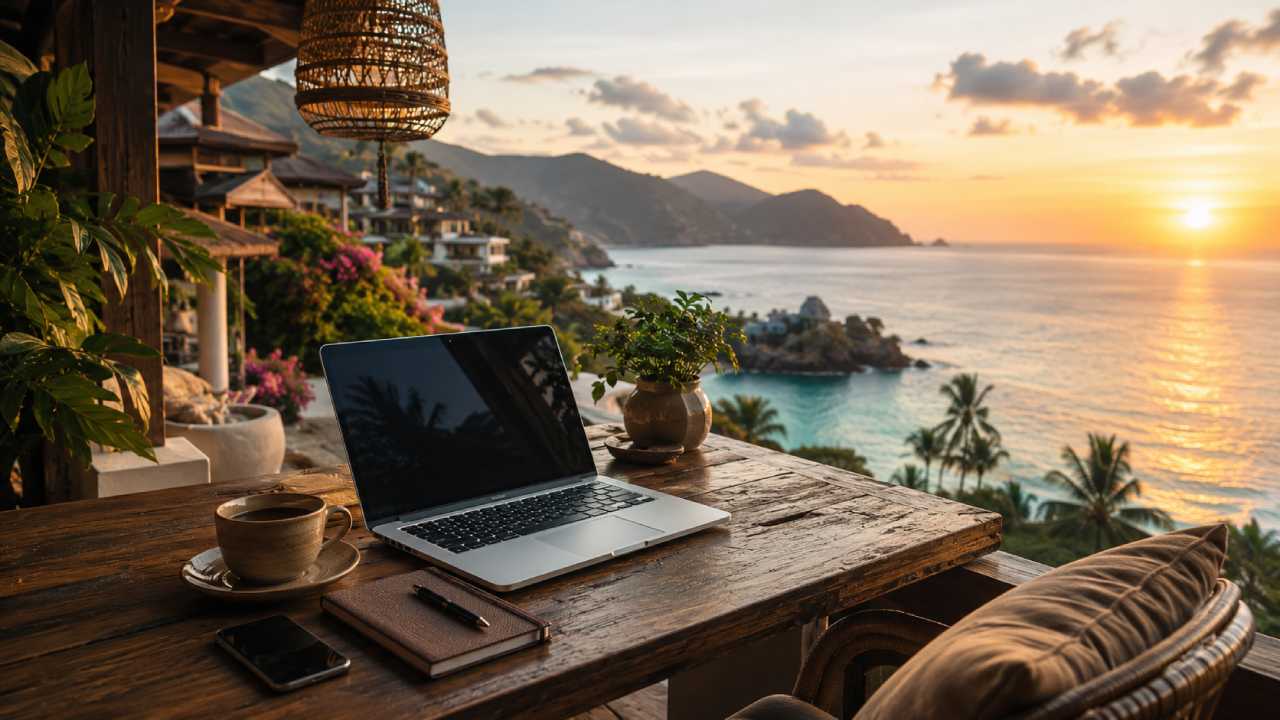
Trans to Find – A few years ago, the idea of working from a beachside café or a mountain cabin sounded like a dream reserved for a lucky few. Today, however, that dream has become reality for millions of people worldwide. The rise of Workations and Flexible travel lifestyles is transforming how individuals think about work, freedom, and personal fulfillment. Rather than separating work and travel into different parts of life, many professionals now blend the two. As technology continues to advance and remote work becomes more accepted, a growing number of people are choosing lifestyles that allow them to stay productive while exploring new places. Consequently, travel is no longer just an escape from work. Instead, it has become part of everyday life.
Why Traditional Work Models Are Changing
For decades, success was often associated with spending long hours in a fixed office environment. However, the global workforce has experienced a significant shift. Companies increasingly recognize that productivity is not always tied to location. As a result, remote and hybrid work arrangements have become more common. Employees now have greater freedom to decide where they work best. Furthermore, many workers have discovered that changing their surroundings can improve motivation and creativity. This transformation has laid the foundation for the growing popularity of flexible travel lifestyles. What once seemed unconventional is now becoming a practical option for many professionals.
The Birth of the Modern Workation
The term “workation” combines two concepts that were traditionally separate: work and vacation. Initially, many people viewed these ideas as opposites. Nevertheless, advancements in technology have blurred those boundaries. With reliable internet connections, cloud-based platforms, and virtual collaboration tools, professionals can remain connected from almost anywhere. Therefore, a person can attend meetings in the morning and explore a new destination in the afternoon. This balance creates a lifestyle that feels both productive and rewarding. Consequently, workations have evolved from a niche trend into a mainstream lifestyle movement.
Read Also: Beyond the Steam: A Japanese Onsen Expert Reveals the Hidden Art of Naked Bathing
Freedom Has Become a New Form of Luxury
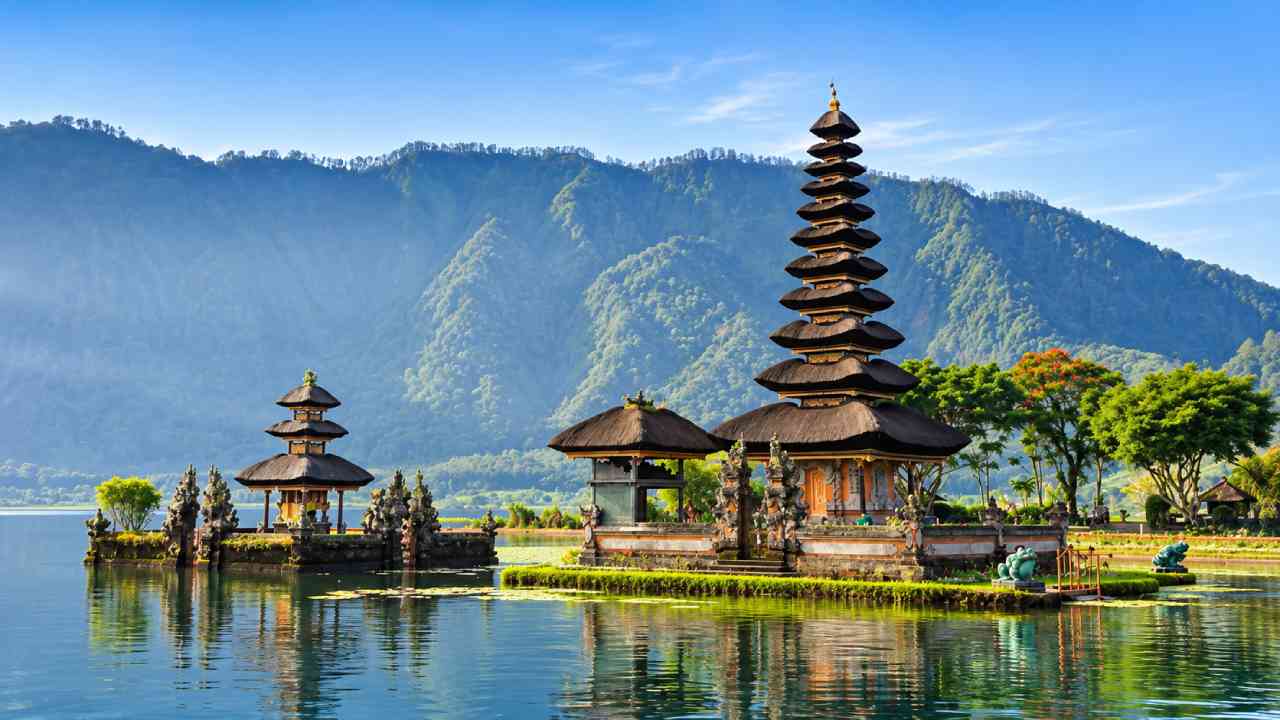
Luxury travel once focused on five-star hotels, private transportation, and exclusive experiences. Today, many travelers define luxury differently. Increasingly, freedom and flexibility are considered the ultimate status symbols. The ability to choose where to live and work has become highly desirable. For many professionals, spending a month in Bali, Lisbon, or Chiang Mai offers more value than a traditional luxury vacation. Moreover, these destinations provide opportunities to experience local culture while maintaining a steady income. As perspectives change, flexible travel lifestyles continue to gain momentum among modern travelers.
Digital Nomads Are Leading the Movement
Among the most visible participants in this trend are digital nomads. These individuals use technology to work remotely while traveling regularly. Although digital nomadism once appeared limited to freelancers, it now includes entrepreneurs, consultants, marketers, software developers, and corporate employees. Furthermore, many countries have introduced special visas designed specifically for remote workers. This support reflects the growing economic impact of location-independent professionals. As digital nomad communities expand, they continue to influence how cities and destinations develop their infrastructure and tourism strategies.
How Travel Enhances Productivity and Creativity
Interestingly, many remote workers report increased productivity while traveling. At first glance, this may seem surprising. However, new environments often stimulate creativity and reduce mental fatigue. Instead of following the same routine every day, travelers encounter fresh experiences, cultures, and perspectives. These encounters can inspire new ideas and improve problem-solving skills. Additionally, flexible schedules allow individuals to work during their most productive hours. As a result, many people discover they accomplish more while maintaining a healthier work-life balance. This benefit remains one of the strongest arguments supporting workations.
The Challenges Behind the Lifestyle
Despite its appeal, the Workations and Flexible lifestyle is not without challenges. Reliable internet access remains essential, yet it is not available everywhere. In addition, time zone differences can create scheduling difficulties when working with global teams. Some travelers also struggle to separate work from leisure. Without clear boundaries, productivity and relaxation may both suffer. Therefore, successful workations require planning, discipline, and realistic expectations. Understanding these challenges helps individuals create sustainable routines that support both professional and personal goals.
Why Younger Generations Embrace Flexibility
Millennials and Generation Z have played a major role in accelerating this trend. Unlike previous generations, many younger professionals prioritize experiences over material possessions. They value freedom, personal growth, and meaningful experiences. Consequently, the idea of working from different locations aligns perfectly with their lifestyle preferences. Social media has also increased awareness of alternative ways to live and work. As more success stories emerge, interest in flexible travel lifestyles continues to grow. Therefore, it is likely that future generations will view location independence as a normal career option rather than an exception.
Destinations Are Adapting to Remote Workers
As demand grows, destinations worldwide are adapting to attract long-term remote travelers. Many cities now offer coworking spaces, digital nomad hubs, and accommodation packages tailored to remote professionals. Furthermore, local businesses benefit from visitors who stay for weeks or months instead of a few days. This shift creates economic opportunities while encouraging cultural exchange. Consequently, destinations that support flexible workers often gain a competitive advantage in the tourism market. The relationship between travel and work is becoming increasingly interconnected.
The Future of Workations and Flexible Travel Lifestyles
Looking ahead, the future appears bright for Workations and Flexible travel lifestyles. Technology continues to remove barriers that once restricted where people could work. Meanwhile, organizations are becoming more comfortable with remote collaboration and flexible schedules. As these trends continue, the distinction between working and traveling may become even less defined. Ultimately, this lifestyle reflects a broader shift in priorities. People are seeking balance, purpose, and experiences that enrich their lives. In that context, workations are not merely a trend. Instead, they represent a new way of living that combines professional ambition with the freedom to explore the world.